The integration of automated surveillance represents a strategic evolution in Pakistan’s internal security framework. Recently, the National Highways and Motorway Police (NHMP) successfully deployed the Intelligent Transport System to identify and apprehend a high-profile suspect wanted in 47 criminal cases. This operation on the M-5 Motorway near Uch Sharif serves as a precision baseline for how digital monitoring can dismantle organized crime networks.
Precision Interception: The Digital Perimeter
National safety infrastructure requires a calibrated integration of hardware and logic. The ITS triggered a real-time alert after detecting a suspicious vehicle via advanced automated monitoring technology. Consequently, Motorway Police officers established a strategic checkpoint to intercept the target. Although the suspect attempted to flee, the tactical pursuit by the NHMP resulted in a successful arrest. Officers identified the suspect as Arif Hussain, a resident of Rajanpur with a significant criminal history.

Evidence Recovery and Systemic Links
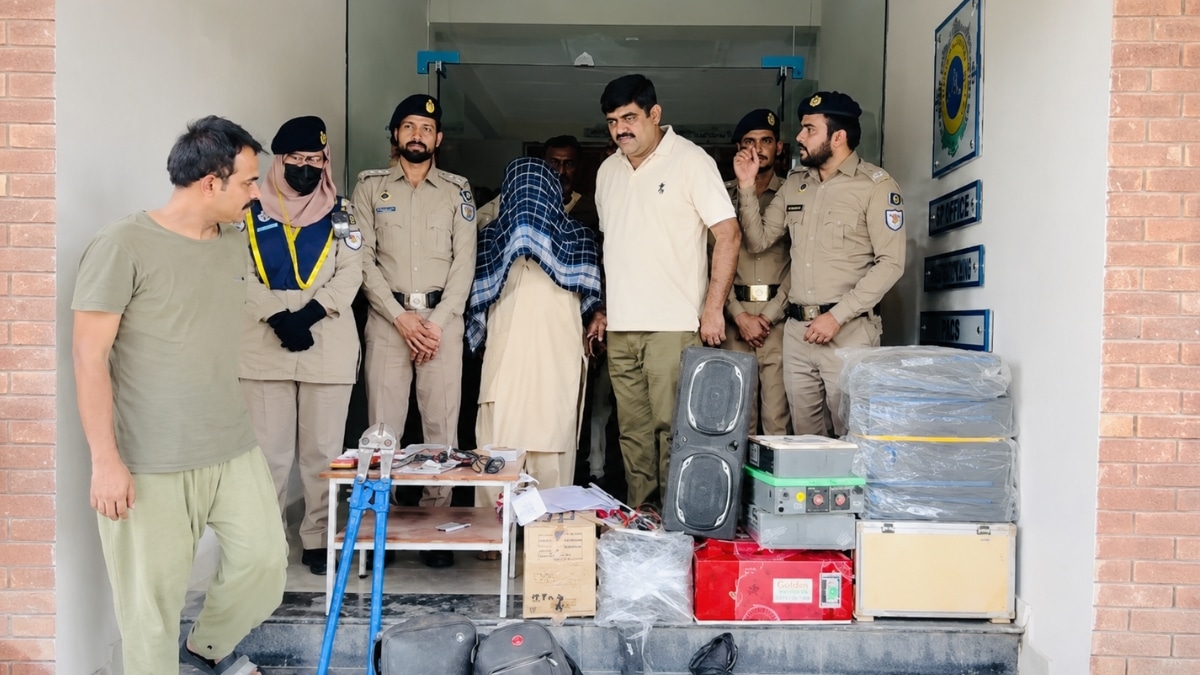
During the structural search of the vehicle, the NHMP recovered a diverse array of stolen assets and tactical equipment. This recovery acts as a catalyst for ongoing investigations into regional theft rings. The seized items included:
- Solar Infrastructure: 10 solar inverters and two lithium batteries.
- Financial Assets: Rs. 136,000 in liquid cash.
- Ballistics: A pistol with 10 live rounds of ammunition.
- Criminal Logistics: Fake vehicle number plates and a Suzuki Mehran.
Subsequent data verification linked the suspect to a significant Rs. 8.5 million robbery in Hasilpur, Bahawalpur. This arrest effectively closes multiple active files across various jurisdictions.

The Translation: Contextualizing ITS Logic
The Intelligent Transport System is not merely a collection of cameras; it is a networked intelligence layer. It utilizes Optical Character Recognition (OCR) and high-speed data processing to compare license plates against national criminal databases in milliseconds. By removing human delay from the identification phase, the system provides law enforcement with an actionable advantage before the suspect even realizes they are being monitored.
The Socio-Economic Impact
For the average Pakistani citizen, this technological shift translates to enhanced personal safety and asset protection. The recovery of solar equipment specifically highlights a protection of “green investments” that many households are currently prioritizing. Furthermore, the systematic reduction of highway crime lowers insurance risks and encourages safer inter-city trade and travel for professionals and families alike.
The Forward Path: Strategic Assessment
This development represents a definitive Momentum Shift in Pakistani law enforcement. Moving from reactive patrolling to predictive, tech-enabled interception is essential for modern governance. To maintain this progress, the state must ensure the expansion of ITS across all national arteries, creating a seamless digital shield that makes the motorways impenetrable for fugitive elements.