
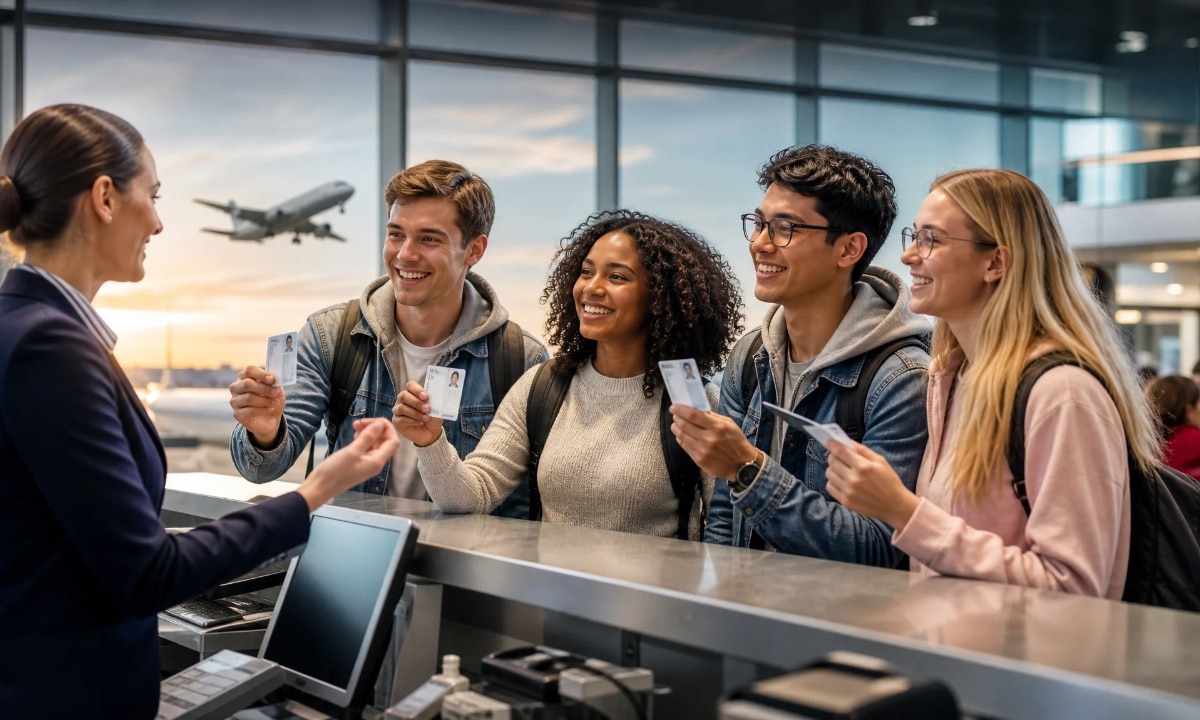
Every strategic infrastructure shift requires a catalyst for accessibility. SouthAir recently calibrated its pricing model to introduce a 10% student airfare discount, optimizing travel costs for the nation’s future workforce. This initiative targets the academic community, ensuring that regional mobility becomes a baseline reality rather than a luxury.
The Logistics of Access: The Translation
SouthAir has engineered a streamlined process to implement this 10% reduction. Consequently, students must verify their status physically at SouthAir ticket counters. By requiring a valid student identification card at the time of purchase, the airline ensures system integrity while delivering direct value to eligible travelers. The promotion applies across the airline’s entire network, covering both domestic and regional routes.

This systematic approach supports various travel needs. Whether students are moving for educational purposes, internships, or seasonal vacations, the airline provides a calibrated financial cushion. SouthAir encourages all eligible participants to visit their nearest counter with proper documentation to secure these savings.
Socio-Economic Impact: Empowering the Future Workforce
Lowering the cost of transportation serves as a structural catalyst for professional growth. Primarily, this student airfare discount empowers students to pursue internships and research opportunities across different geographic zones without the friction of high travel costs. Furthermore, it eases the financial burden on middle-class households, allowing for more frequent family reconnections and educational exploration.

In a developing economy, student mobility correlates directly with the distribution of knowledge and talent. By reducing the cost barrier, SouthAir facilitates a more fluid movement of human capital between academic hubs and industrial centers.
The Forward Path: Momentum Shift or Stabilization?
We view this development as a Momentum Shift. While a 10% reduction is a baseline move, it signals a shift toward specialized aviation services tailored to national development needs. It reflects a growing recognition that the private sector must play a role in supporting the academic infrastructure.
However, the requirement for physical counter visits represents an operational bottleneck in a digital-first era. To achieve true system efficiency, SouthAir should integrate digital verification protocols into their online booking architecture. Moving forward, we expect this move to pressure other regional players to calibrate their pricing strategies for the youth demographic.








