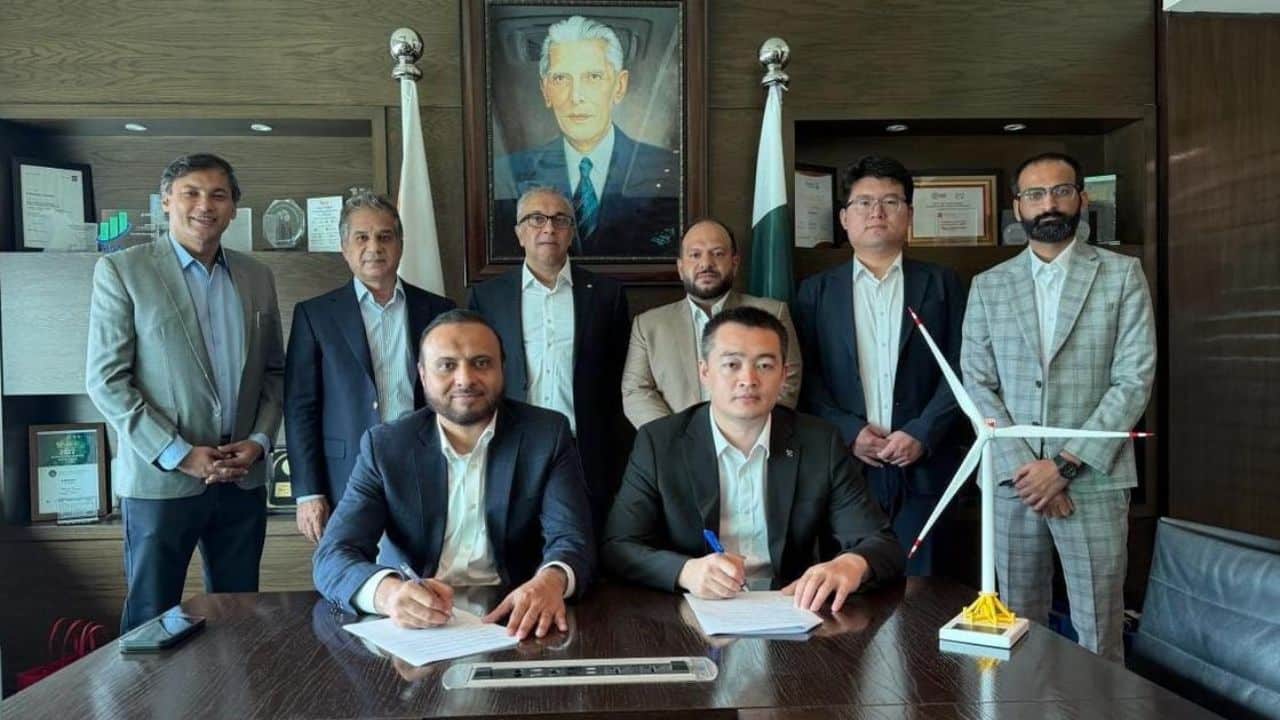
The integration of wind energy solutions marks a calibrated shift in Pakistan’s pursuit of industrial energy resilience and structural efficiency. K-Solar, a subsidiary of KE Ventures, recently signed a Memorandum of Understanding (MoU) with China’s Mingyang Smart Energy Group to introduce high-capacity wind turbines and Battery Energy Storage Systems (BESS) to the local market. This strategic alliance aims to stabilize the national grid while providing a sustainable alternative to traditional thermal power generation.
Scaling Wind Energy Solutions and Storage Infrastructure
Under this agreement, both entities will collaborate to market, supply, and finance large-scale wind power projects. Mingyang, a global leader in turbine manufacturing, brings technical precision to Pakistan’s renewable landscape. Furthermore, the partnership includes plans for a localized BESS assembly plant. This move specifically targets the intermittency challenges of renewable power, ensuring that energy generated during peak wind hours remains available for consistent industrial use.
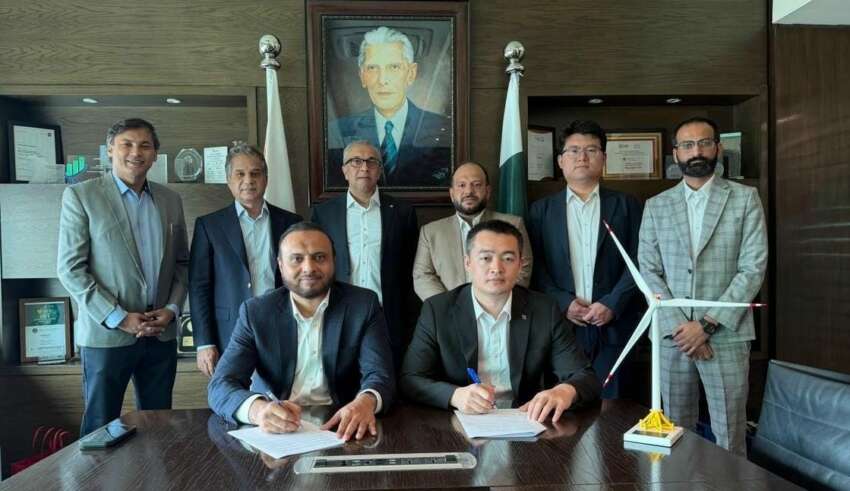
Chairman of K-Solar, Muhammad Aamir Ghaziani, emphasized that wind power offers a highly competitive levelized tariff. Consequently, this makes it an essential component of a diversified energy mix. By leveraging Mingyang’s global supply chain, K-Solar intends to accelerate the adoption of these wind energy solutions across the commercial and industrial sectors. This synergy between global technology and local execution is designed to drive down costs for the end-consumer.
The Situation Room: Analysis
The Translation (Clear Context)
While solar energy is effective during daylight, wind energy often peaks at night or during seasonal transitions. By combining these wind energy solutions with BESS (Battery Energy Storage Systems), the grid can store excess power like a massive reservoir. This removes the “all-or-nothing” nature of renewables, allowing for a steady, calibrated flow of electricity regardless of weather conditions.

The Socio-Economic Impact
This development directly impacts the Pakistani citizen by lowering the baseline cost of production for local industries. As factories shift to cheaper wind energy, the price of domestic goods potentially stabilizes. Furthermore, the establishment of a local assembly plant creates high-tech jobs for STEM graduates and reduces the country’s reliance on expensive, imported energy hardware.
The “Forward Path” (Opinion)
This initiative represents a significant Momentum Shift. Moving beyond mere power generation into local assembly and storage infrastructure signals a transition from a consumer-based energy model to a producer-based one. If executed with precision, this could serve as the catalyst for a decade of energy independence.