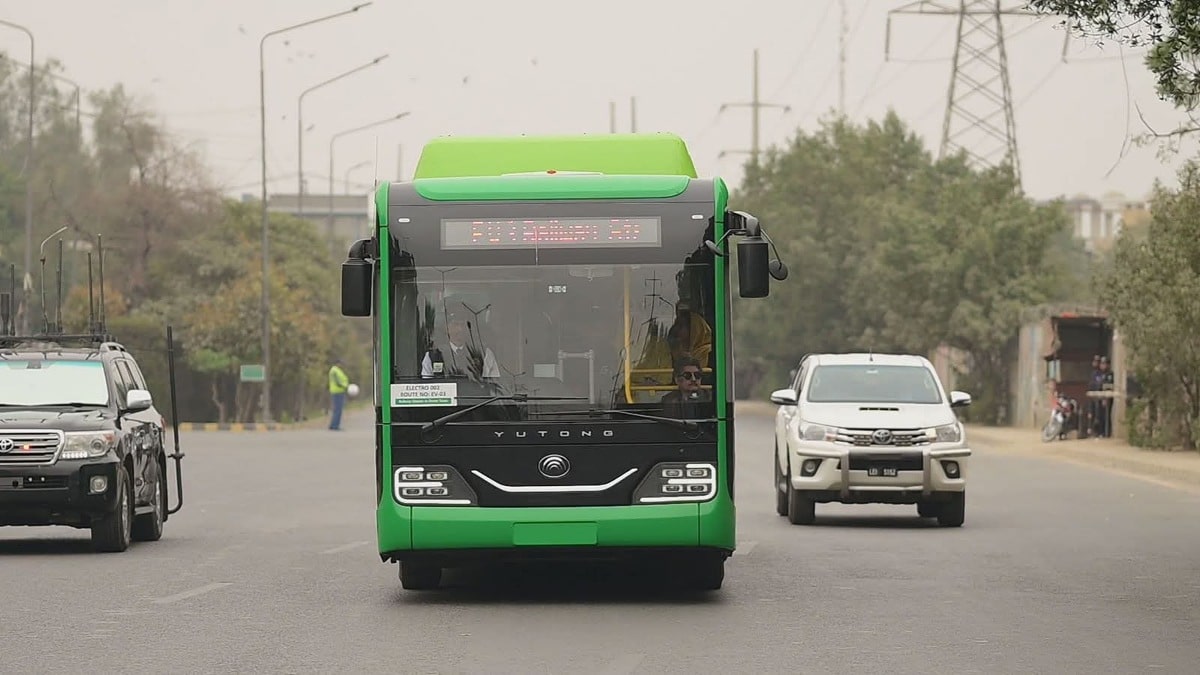
The Punjab government launched the Attock electric bus service to revolutionize regional mobility under the Green Transport Initiative. This deployment integrates nine high-efficiency electric vehicles into the city’s existing transit framework to optimize urban connectivity. Consequently, this move establishes a new baseline for sustainable public infrastructure in the region.
Deploying the Attock Electric Bus Service
Strategic deployment of these nine electric units facilitates a clean, safe, and cost-effective commute for residents. This initiative specifically targets carbon reduction while enhancing system efficiency. Furthermore, the government has implemented a zero-fare policy for students, women, senior citizens, and persons with disabilities to ensure inclusive mobility.
Strategic Route Connectivity and Infrastructure
The initial phase of the Attock electric bus service focuses on two high-density corridors. The first route connects POF Sanjwal Barrier No. 2 to Hazro via Bab-i-Attock, encompassing 26 calibrated bus stops. Meanwhile, the second route services 19 stops between the Government College of Technology in Dhok Fateh and Attock Khurd. These routes ensure that the transit system effectively links residential hubs with educational and industrial centers.
The Translation: Deconstructing the Green Transport Initiative
This project is more than a simple vehicle upgrade; it represents a structural pivot toward energy independence. By replacing internal combustion engines with electric drivetrains, the Punjab government reduces the fiscal burden of imported fuel. This initiative calibrates the province’s transport grid to meet modern environmental standards, ensuring that public transit remains a viable catalyst for urban growth without compromising air quality.
Socio-Economic Impact: Precision Mobility for the Masses
The Attock electric bus service directly impacts the daily lives of thousands by lowering the cost of living. For students and low-income professionals, the provision of free or affordable transit acts as a significant economic stabilizer. In rural-urban transition zones, reliable transportation improves access to better education and healthcare services. Consequently, the improved efficiency of these routes allows commuters to reclaim time, boosting overall societal productivity.
The Forward Path: A Catalyst for National Progress
We categorize this development as a Momentum Shift. The transition to electric fleets in smaller districts like Attock demonstrates a scalable model for national advancement. While this first phase serves as a stabilization move for regional transit, its long-term success will signal a precision-driven transformation of Pakistan’s energy landscape. This project serves as an architectural blueprint for future urban transit systems across the country.