
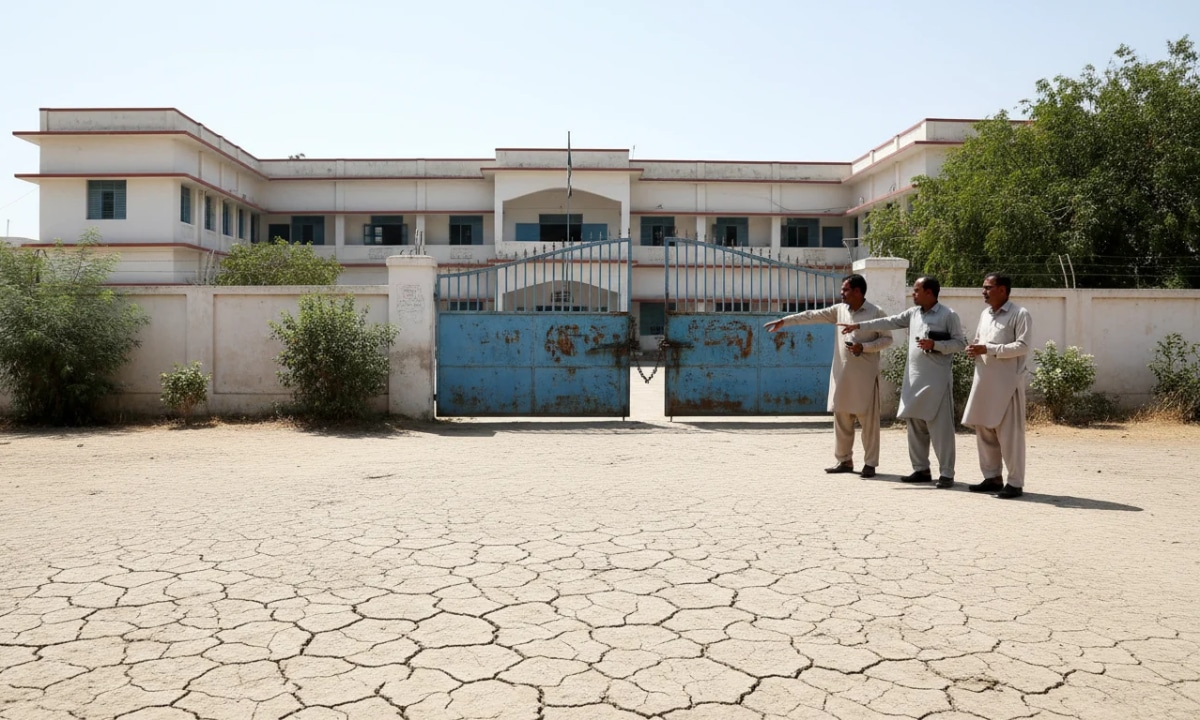
The structural integrity of a national education system relies on the calibrated balance between academic rigor and environmental safety. Consequently, the Khyber Pakhtunkhwa government has initiated a precise enforcement of the KP school vacation schedule to protect students from extreme climatic conditions. The Elementary and Secondary Education Department identified several private institutions continuing operations despite the official recess. As a result, the government has authorized strict disciplinary measures against any facility disregarding these safety protocols.
Analyzing the KP School Vacation Compliance Protocol
The Private Schools Regulatory Authority (PSRA) has now mandated a total cessation of all academic and co-curricular activities across the province. Furthermore, the directive requires all deputy commissioners to execute rigorous inspections across both public and private sectors. This calibrated response aims to neutralize health risks associated with the current heatwave. Notably, institutions failing to comply by the June 30 deadline will face immediate legal repercussions under established provincial regulations.

The Translation: Systemic Accountability
The core logic behind this directive transcends a simple holiday schedule; it represents a baseline shift toward systemic accountability. The state is intervening to protect the “human hardware”—the students—from environmental stressors that can lead to severe health complications. By utilizing social media monitoring and field inspections, the government is creating a feedback loop to ensure that private interests do not supersede the health of the collective.
Socio-Economic Impact: Household Stability
For the average Pakistani household, this enforcement provides a vital safety net. It removes the pressure on parents to send children into hazardous weather conditions due to competitive academic environments. Professionally, this decision stabilizes the domestic routine by aligning school operations with climate realities, thereby preventing potential medical emergencies that strain both family finances and the public healthcare infrastructure.
The Forward Path: A Momentum Shift
We view this development as a significant Momentum Shift. It signals a transition from passive reporting to an active, precision-based administrative model. While some may see it as a stabilization move, the rigorous use of data-driven monitoring suggests a modernization of the provincial enforcement mechanism. Moving forward, the integration of real-time climate data into school calendars will be the catalyst for a more resilient educational framework in Pakistan.








