
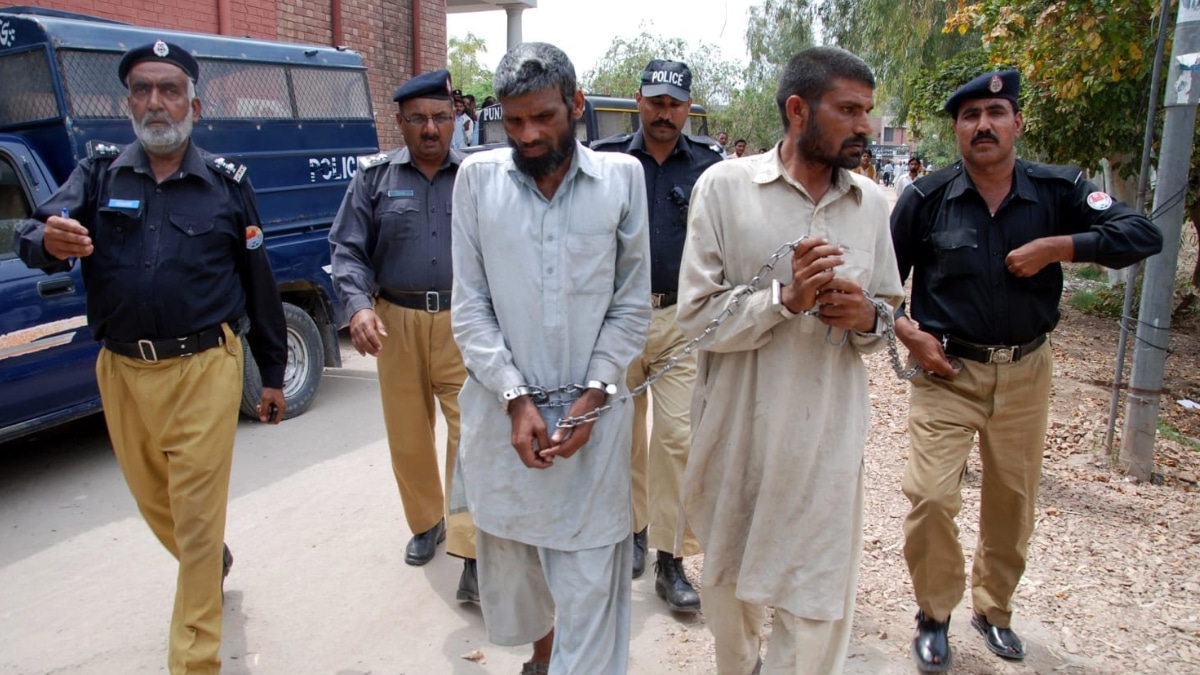
The recalibration of Pakistan’s criminal justice system faces a precision test with the recent report of the Punjab Cannibal Brothers being released after serving their multi-year sentence. Authorities in the Bhakkar district have reportedly concluded the incarceration phase for Muhammad Arif and Farman Ali, yet the transition from the prison system back to the social baseline remains highly volatile. Consequently, officials have restricted their return to Darya Khan due to significant security threats.
The Evolution of a Structural Legal Crisis
The state first arrested the two brothers in 2011 following a gruesome discovery in Kalam Kalan village. Although they served an initial term and left prison in 2013, police re-arrested them in 2014 after they desecrated the grave of a newborn child. This second conviction resulted in a sentence of 11 years and four months. Now that this period has elapsed, the legal system must address the complex reality of reintegrating individuals involved in high-trauma criminal cases.

Public Security and the Punjab Cannibal Brothers
Authorities currently maintain the brothers in a secure, undisclosed location or a psychiatric facility. This calibrated move prioritizes the physical safety of the individuals and the emotional stability of the Bhakkar community. Public anger remains a potent variable, making a standard hometown return nearly impossible without triggering local unrest. Furthermore, the lack of a robust national framework for post-release psychiatric monitoring complicates the brothers’ transition into ordinary life.

The Translation: Calibrating Legal Limits
In technical terms, the legal system has “exhausted its mandate.” This means the state no longer possesses the legal authority to keep the Punjab Cannibal Brothers in a standard prison cell because they have completed their court-ordered punishment. However, the system recognizes a “secondary duty of care.” This logic dictates that the state must prevent anticipated violence. Therefore, officials are using administrative detention or medical placement as a strategic buffer to bypass a potential security collapse in their home village.
Socio-Economic Impact: Community Stability
The presence of these individuals in any civilian sector directly impacts the “safety perception index” of the local population. For the residents of Bhakkar and Darya Khan, the release threatens the psychological security of families and the sanctity of community spaces. On a broader scale, this case highlights the urgent need for Pakistan to invest in high-security psychiatric infrastructure. Without these specialized facilities, the burden of monitoring high-risk individuals falls on local police forces, diverting essential resources from standard crime prevention.
The Forward Path: A Stabilization Move
This development represents a Stabilization Move rather than a momentum shift toward progress. The state is currently reacting to the expiration of a sentence rather than executing a proactive rehabilitation plan. To evolve, Pakistan must develop clear protocols for “Extreme Offender Post-Release Supervision.” We require a structural catalyst—specifically, a legislative framework that bridges the gap between criminal law and psychiatric healthcare. Until then, undisclosed relocation remains the only viable tactic to maintain the baseline of public order.








