
Deciphering the PMD Weather Warnings for Q3
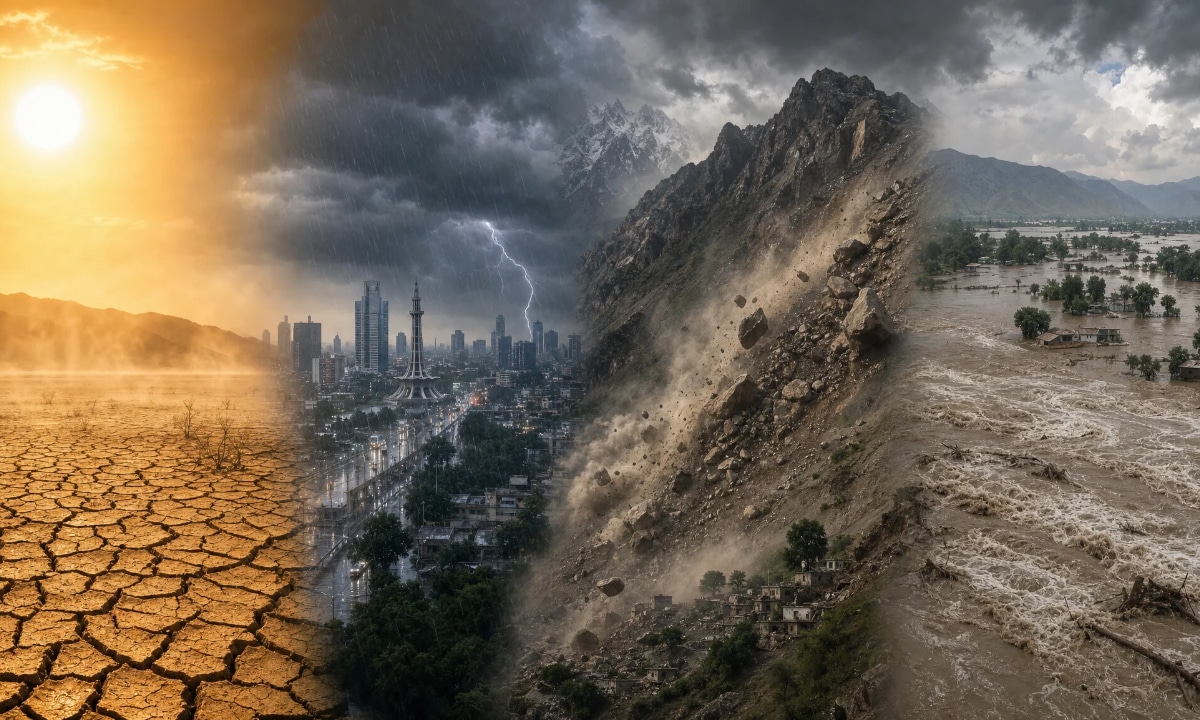
The latest PMD Weather Warnings indicate a calibrated shift in Pakistan’s seasonal baseline, forecasting above-average temperatures from July through September. Consequently, the state must prepare for a convergence of heat-related hazards, accelerated glacier melt, and complex flooding patterns. The Pakistan Meteorological Department (PMD) highlights that Balochistan, Punjab, and southern Khyber Pakhtunkhwa face the highest thermal anomalies. Furthermore, northern regions must anticipate normal to slightly above-normal rainfall, which increases the probability of structural damage in mountainous zones.
The Translation: Precision Forecasting vs. Seasonal Norms
Technical data suggests that the projected temperature spikes are not merely localized events but represent a strategic climate shift. Specifically, rising thermal energy in Gilgit-Baltistan and Kashmir will likely catalyze glacial lake outburst floods (GLOF). In contrast, the plains of Sindh and Punjab face a dual threat. While intense rainfall may trigger urban flooding in low-lying sectors, other regions could experience a precipitation deficit. Consequently, this creates a contradictory environment where flood management and drought mitigation must occur simultaneously. Precision in reservoir management is now a critical baseline for national safety.
The Socio-Economic Impact: Cascading Effects on the Local Ecosystem
How do these PMD Weather Warnings change the daily life of a Pakistani citizen? For the urban professional, intense rainfall patterns threaten to destabilize metropolitan infrastructure, leading to severe logistical bottlenecks. Meanwhile, rural households face a significant agricultural catalyst. Below-average rainfall in certain districts will increase irrigation costs for Kharif crops, potentially impacting food price stability. Additionally, the combination of high humidity and heat acts as a catalyst for mosquito-borne diseases. Consequently, public health systems must calibrate their response to manage a likely surge in dengue cases among urban and rural populations.
The Forward Path: A Stabilization Move
This development represents a Stabilization Move for Pakistan’s climate policy. While the forecast presents significant risks, the early dissemination of these data points allows for strategic multi-sectoral planning. The government and private sector must focus on structural adaptation rather than reactive measures. Farmers must optimize water usage for orchards, while tourists should maintain rigorous awareness of landslide-prone corridors. Ultimately, our ability to integrate this precision weather data into daily operations will determine our national resilience against these volatile environmental shifts.








