
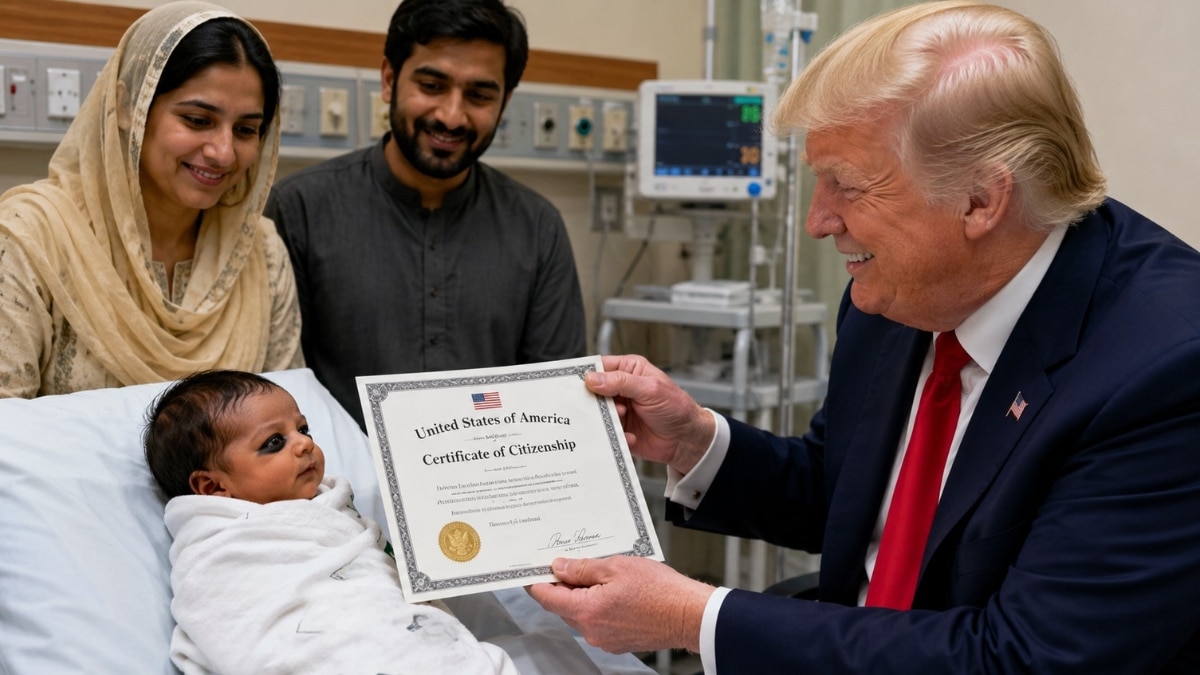
The United States Supreme Court recently calibrated the legal landscape by upholding US birthright citizenship, effectively nullifying a strategic attempt to restrict constitutional mandates. Consequently, newborn Pakistani babies born in the United States will continue to receive automatic citizenship, regardless of their parents’ legal status. This structural decision preserves the 14th Amendment’s core principle, which has defined American jurisdiction since 1868.
Strategic Maintenance of the 14th Amendment
Chief Justice John Roberts led the majority decision, joined by a coalition of conservative and liberal justices. Specifically, the court clarified that children born on US soil remain “subject to the jurisdiction” of the United States. Therefore, they are citizens at birth under the Constitution’s Citizenship Clause. Furthermore, the ruling rejected a 2025 executive order that sought to deny citizenship documents to children of undocumented workers or temporary visitors.
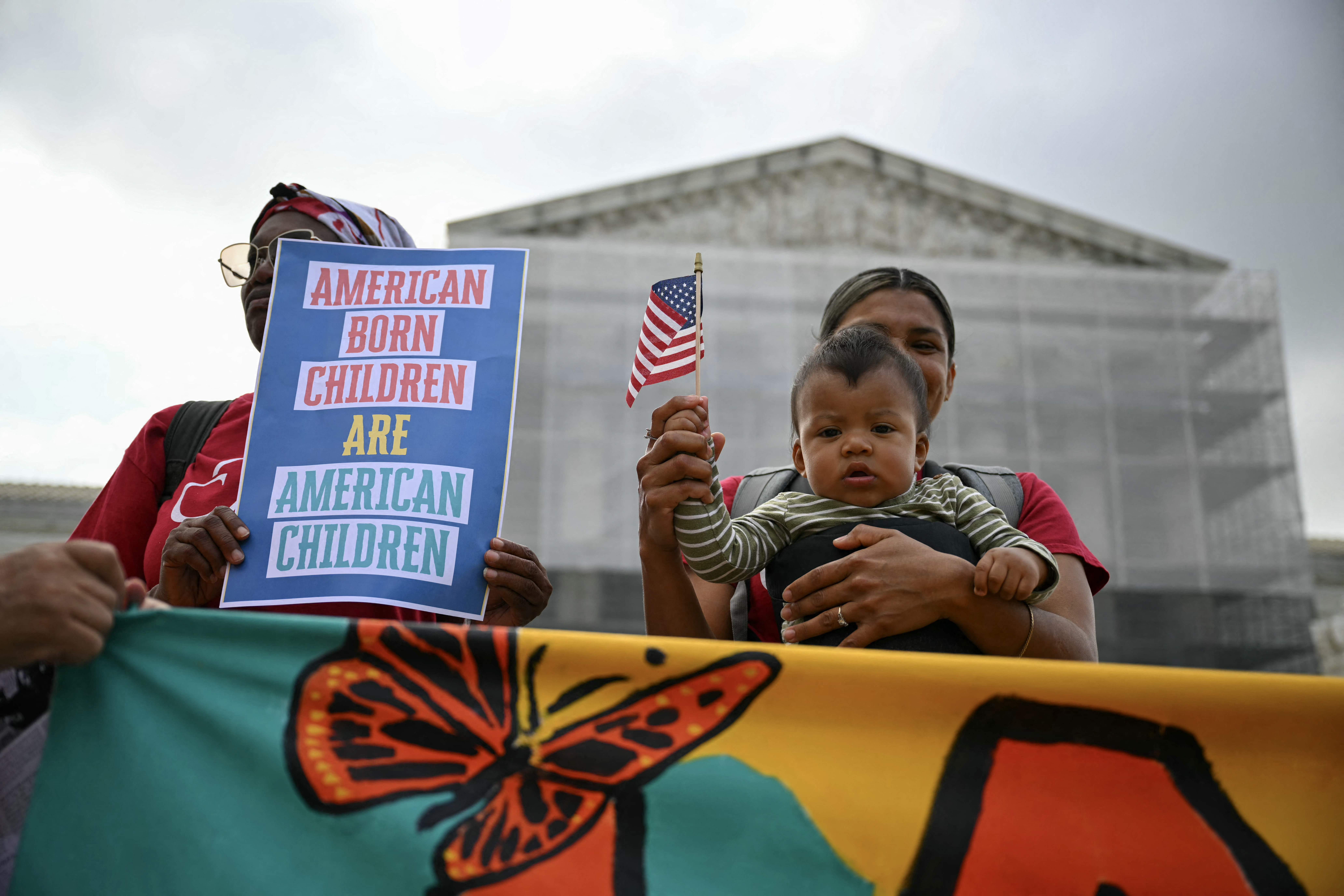
In contrast, dissenting justices argued regarding the statutory interpretation of federal laws from 1940. However, the majority maintained that executive orders cannot override foundational constitutional protections. This precision in legal interpretation ensures that the baseline for American citizenship remains focused on soil rather than parental heritage.
The Translation: Deciphering the Legal Logic
To understand this development, one must view the 14th Amendment as a non-negotiable architectural pillar of the US legal system. While the executive branch attempted to implement a policy of “exclusionary citizenship,” the judiciary functioned as a necessary regulator. Consequently, the “subject to the jurisdiction” clause was interpreted in its broadest sense. This means that if you are born within the physical boundaries of the US, the law recognizes you as a citizen immediately, providing a shield against shifting political winds.
The Socio-Economic Impact: Precision in Diaspora Planning
For the Pakistani diaspora, this ruling provides critical structural integrity for family planning and long-term economic investment. Previously, the threat of restricted US birthright citizenship created a climate of uncertainty for professionals and temporary residents. Now, families can operate with a calibrated baseline of security. Specifically, this stability impacts educational pathways, healthcare access, and the eventual ability for these citizens to sponsor family members, thereby strengthening the socio-economic bridge between Pakistan and the United States.
The Forward Path: A Momentum Shift for Legal Stability
From a STEM-driven perspective, this development represents a significant Momentum Shift toward legal stabilization. By rejecting the executive order, the court has signaled that systemic efficiency relies on adhering to established constitutional protocols rather than reactive policy shifts. While legislative attempts to alter these rules may follow, the judicial baseline is now firmly established. For Pakistani citizens navigating the global landscape, this provides a predictable environment for growth and national advancement through the next generation.








