
Optimizing Karachi Water Tankers via Digital Identity
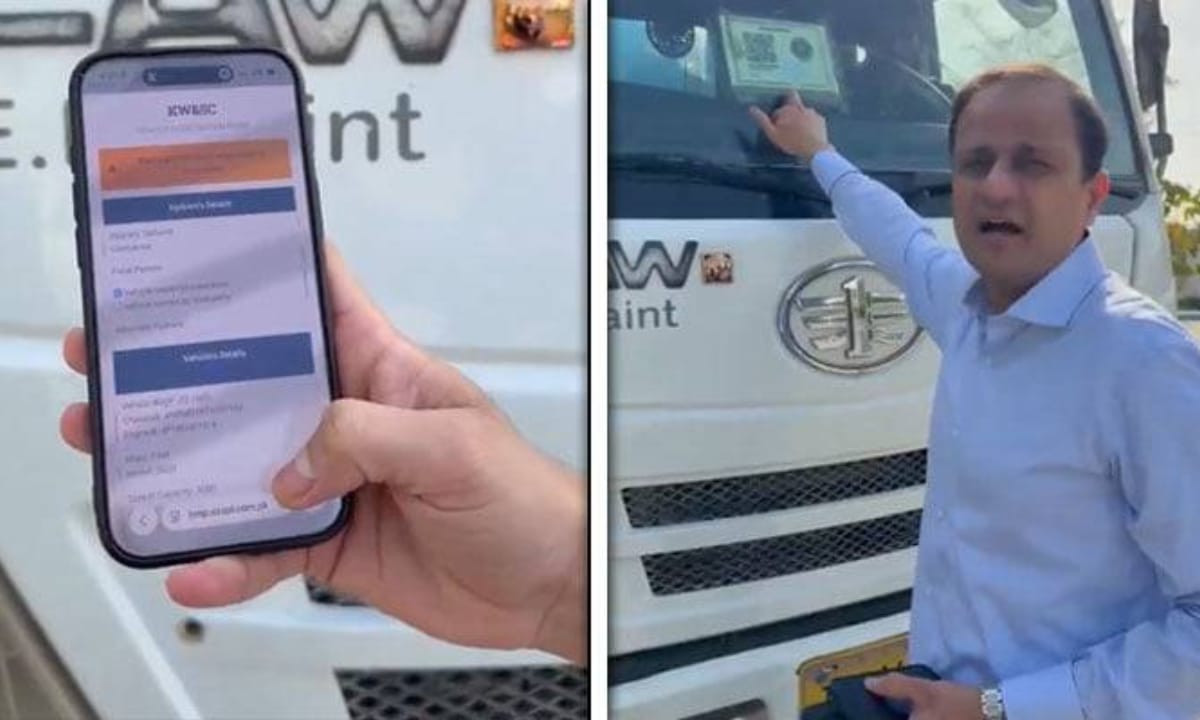
The structural integrity of Karachi’s utility infrastructure just received a precision upgrade through the deployment of a new digital tracking framework. Karachi Mayor Barrister Murtaza Wahab recently inaugurated a strategic barcode-based identification system for all authorized Karachi water tankers. This digital initiative targets a baseline of transparency by allowing residents to verify vehicle legitimacy through real-time scanning. Consequently, the Karachi Metropolitan Corporation (KMC) aims to calibrate the city’s utility distribution and neutralize unauthorized operations.
Under this modernized system, authorities have assigned a unique barcode to every registered tanker. By scanning the code with a mobile device, citizens can instantly access critical data points. Specifically, the system displays the driver’s identity, the vehicle’s designated route, its fitness certificate, and the official water source. Furthermore, this tool empowers the public to act as active monitors in the city’s logistics network.
The Translation: Digital Accountability
In technical terms, this system acts as a decentralized verification ledger for water distribution. Instead of relying on manual paperwork that the illegal water mafia can easily forge, the barcode links directly to a secure KMC database. Consequently, the barcode serves as a cryptographic handshake between the city administration and the consumer. This ensures that every gallon of water delivered is accounted for and sourced from sanctioned reservoirs.

The Socio-Economic Impact: Protecting the Household
How does this change the daily life of a Pakistani citizen? Primarily, it addresses the economic exploitation of households by the “tanker mafia.” By establishing a transparent verification protocol for Karachi water tankers, the government reduces the leverage held by illegal vendors who often inflate prices or provide contaminated water. For the average urban professional and family, this provides a shield against utility fraud and ensures that the water entering their homes meets established safety standards.
The Forward Path: A Momentum Shift
From an architectural perspective, this development represents a definitive Momentum Shift in Karachi’s urban management. While the city faces significant water shortages, applying digital precision to the existing supply chain is the first step toward systemic efficiency. This move signals a transition from passive utility oversight to active, data-driven governance. If expanded, this framework could serve as a catalyst for digitizing other critical public services across Pakistan.








