
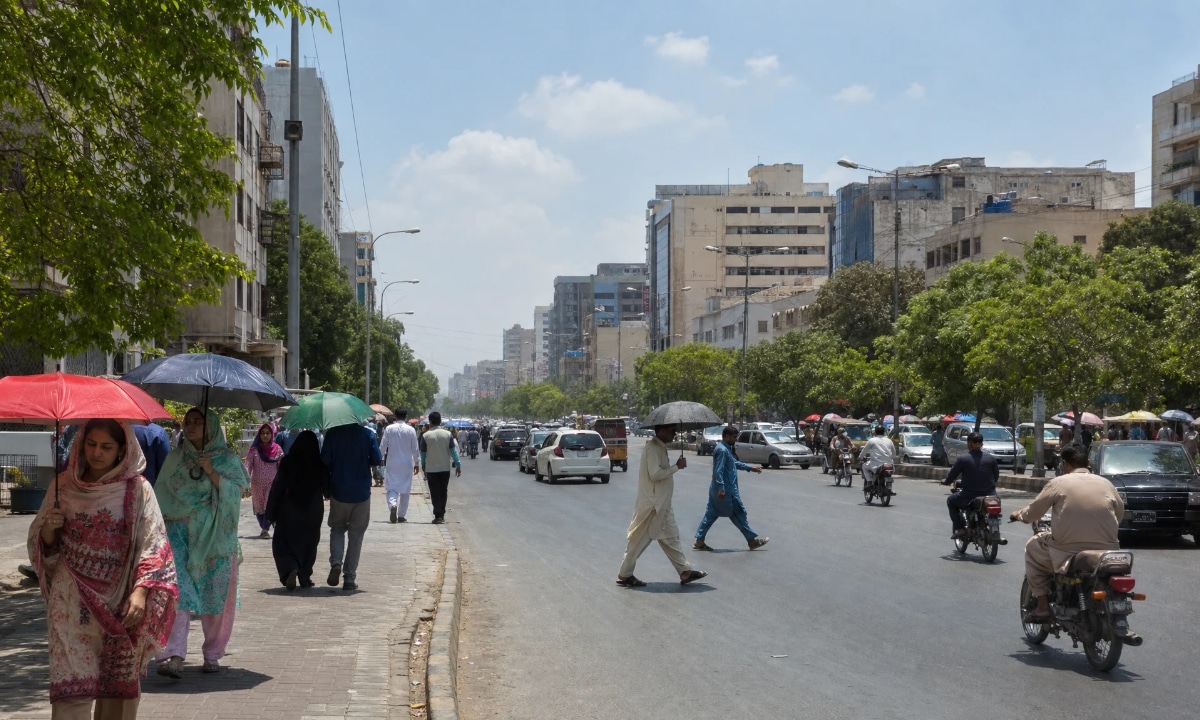
Lahore currently faces an intense Lahore heatwave as atmospheric conditions calibrate toward a 41°C peak, demanding immediate structural and personal resilience. The Pakistan Meteorological Department (PMD) reports a baseline temperature of 34°C with humidity levels reaching 52%. Consequently, the perceived thermal index significantly exceeds the numerical baseline, creating a high-stress environment for the city’s infrastructure and population.
Atmospheric Data and Forecast Precision
The current meteorological data indicates a precision-driven forecast for the coming days. While the sky remains a mix of sunshine and scattered clouds, the probability of immediate precipitation remains at zero. Winds are currently clocked at 11 kilometres per hour, which provides negligible relief against the high humidity. Residents must prepare for a sustained thermal surge until the Lahore heatwave subsides with the arrival of the monsoon system.
- Maximum Projected Temperature: 41°C
- Minimum Nighttime Baseline: 32°C
- Humidity Index: 52%
- Monsoon Commencement Date: July 1
The Translation: Decoding the Heat Index
In technical terms, the synergy between 41°C heat and 52% humidity creates a “Wet Bulb” effect. This means the air is heavily saturated with moisture, which prevents the human body from cooling itself through sweat evaporation. Therefore, the heat feels significantly more oppressive than the thermometer suggests. This meteorological configuration acts as a precursor to the monsoon, where high-pressure heat systems eventually pull in the moist, low-pressure monsoon currents from the south.
The Socio-Economic Impact: Protecting the Urban Workforce
This thermal spike directly impacts the daily lives of Pakistani citizens, particularly the urban workforce and outdoor laborers. Higher temperatures lead to a surge in energy demand, often straining the local power grid and leading to systemic inefficiencies. For students and professionals, the extreme heat reduces cognitive output and increases the risk of dehydration. Furthermore, rural communities on the outskirts of Lahore must monitor livestock closely, as these thermal conditions can disrupt agricultural productivity and water reserves.
The Forward Path: A Momentum Shift in Climate Resilience
We categorize this development as a Momentum Shift toward seasonal transition. While the immediate heat is a challenge, it serves as the catalyst for the upcoming monsoon rains. To navigate this period, citizens must adopt a precision-based safety protocol. We recommend strictly avoiding direct sunlight between 12:00 PM and 4:00 PM and maintaining a strategic hydration baseline. The arrival of the monsoon on July 1 will signify a structural shift in the regional climate, bringing much-needed stabilization to the provincial capital.








