
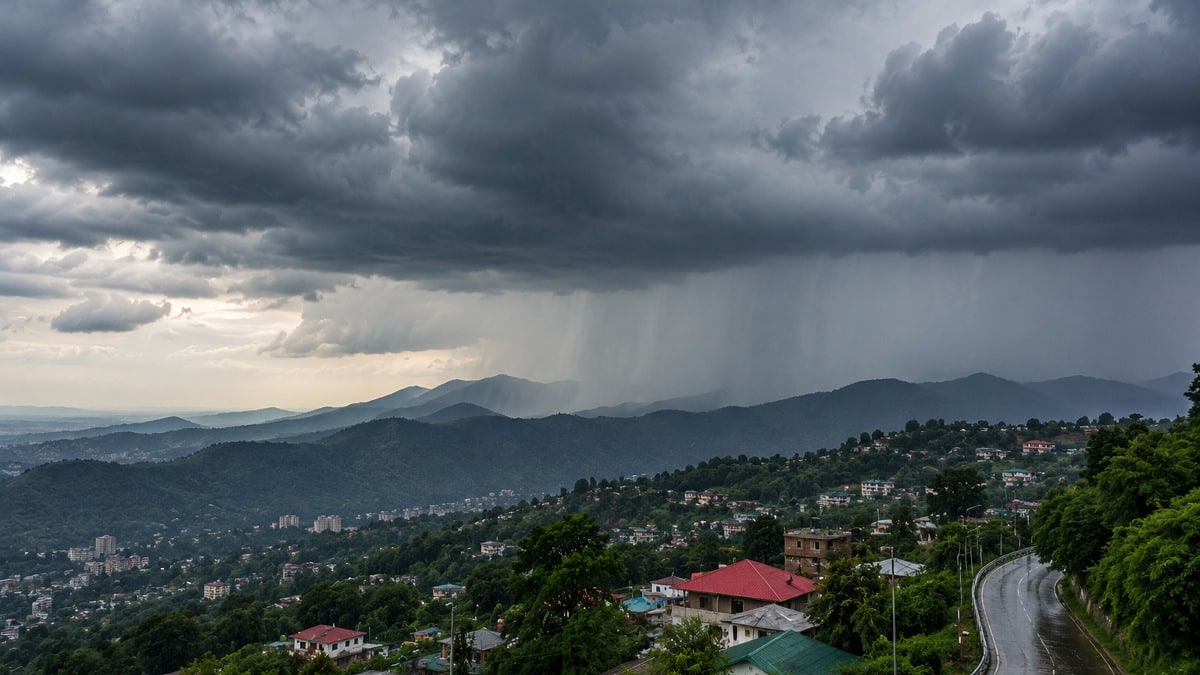
The Pakistan Meteorological Department (PMD) has calibrated its latest atmospheric models to predict the official Pakistan Monsoon Season start date. Consequently, moisture currents will likely penetrate northeastern Punjab, Kashmir, and northern regions beginning July 1. This precision forecast indicates a strategic shift in weather patterns, providing a baseline for national water management and agricultural scheduling.
Analyzing the Pakistan Monsoon Season Dynamics
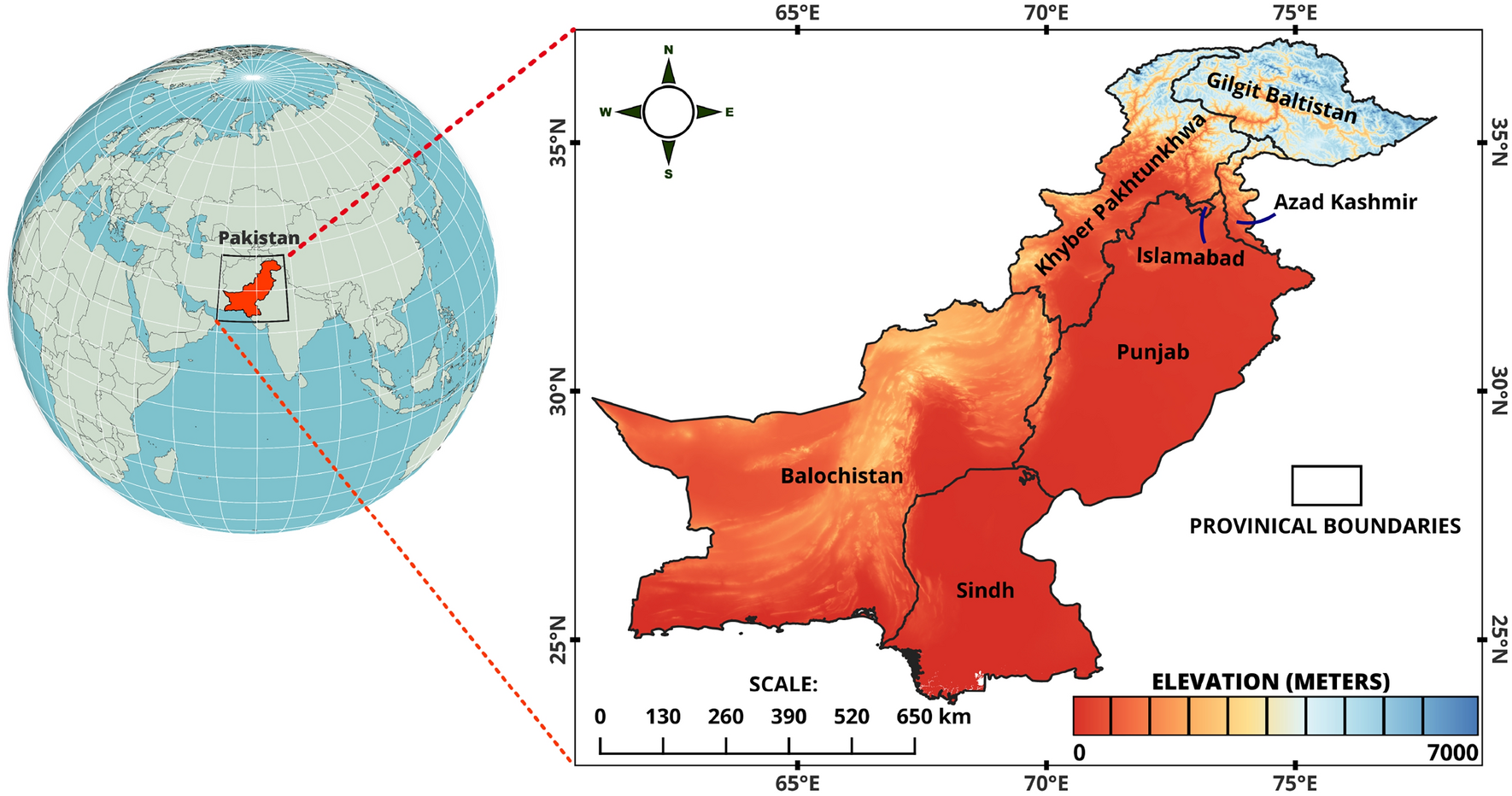
PMD spokesperson Anjum Nazir confirmed that monsoon currents are expected to enter through northeastern Punjab. These systems will function as a catalyst for significant rainfall across the northern belt. Furthermore, these regional projections are vital for stabilizing the local climate after a period of intense heat. In contrast, the southern regions face a different trajectory as the system undergoes structural changes across the subcontinent.
Regarding Sindh and Karachi, the current data shows a delayed entry. There is no strategic forecast for rainfall in Sindh until at least July 5. While a low-pressure system is currently developing over the Bay of Bengal, early indicators suggest that Karachi and the rest of the province may receive below-normal rainfall during this year’s monsoon cycle. This variance highlights the necessity for precision in urban resource allocation.
The Translation: Breaking Down the Meteorological Data
In technical terms, the “low-pressure system” over the Bay of Bengal acts as a pump, pulling moisture into the region. For the average citizen, this means the Pakistan Monsoon Season will not be a uniform event. While the North receives immediate moisture, the South remains in a “wait-and-see” phase. The 43% rainfall deficit recorded in India during June further illustrates a broader regional trend of suppressed early-season moisture.
The Socio-Economic Impact: Precision Planning for Citizens
The Pakistan Monsoon Season influences every facet of daily life. For students and professionals in northern hubs, the July 1 start date necessitates immediate infrastructure readiness to prevent urban flooding. Conversely, for households in Sindh, the below-normal forecast signals a potential strain on water reservoirs. Strategic conservation will be essential to mitigate the impact of reduced seasonal precipitation on urban cooling and agricultural yields.
The Forward Path: An Architectural View on Climate
This development represents a Stabilization Move rather than a sudden momentum shift. The precision of the PMD forecast allows for calibrated responses from provincial disaster management authorities. However, the below-average projection for Sindh serves as a structural warning. We must accelerate the adoption of STEM-driven water conservation technologies to build national resilience during this Pakistan Monsoon Season.








