
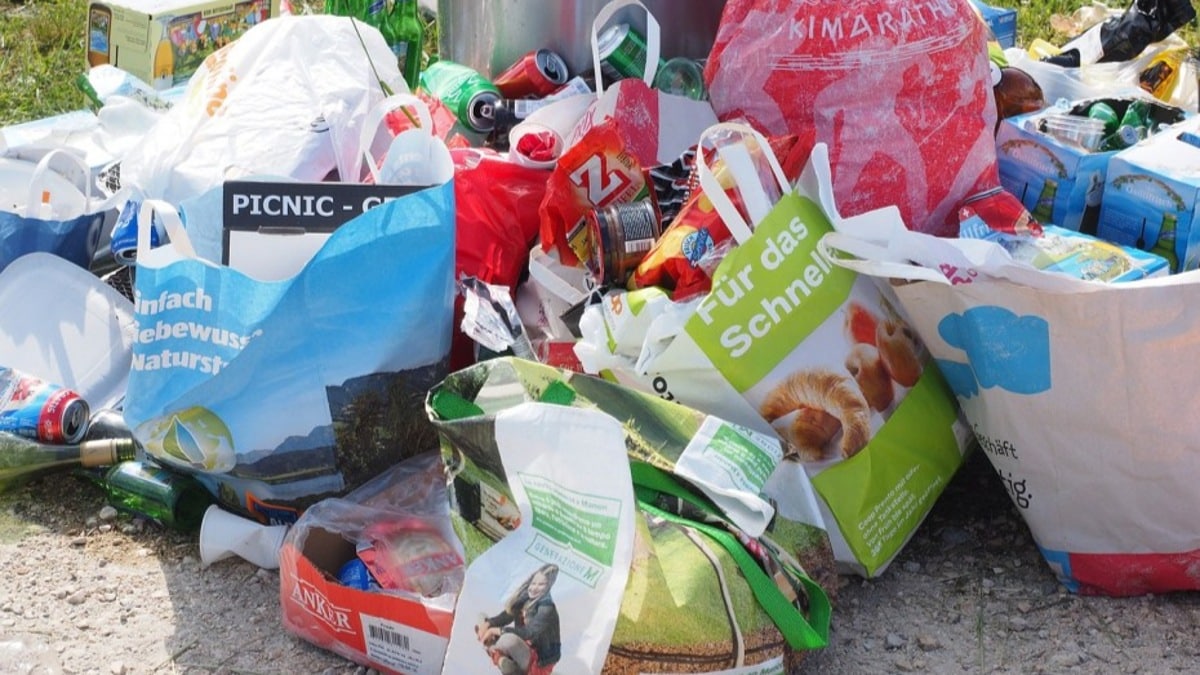
The Sindh Solid Waste Management Board (SSWMB) has calibrated a new enforcement framework for Karachi waste disposal, authorizing field officers to impose fines reaching Rs. 500,000. This strategic move aims to combat the 14,000 tonnes of daily refuse that currently strains the city’s infrastructure. Consequently, the government is shifting from passive management to active deterrence to ensure long-term environmental stability.
Structural Enforcement: Empowering Field Inspectors
SSWMB Managing Director Tariq Ali Nizamani has designated assistant directors as inspectors under the Sindh Local Government Act. This legal shift grants field officers the immediate authority to penalize businesses and individuals who violate Karachi waste disposal protocols. By decentralizing enforcement, the SSWMB ensures a baseline of accountability across all urban districts.
Furthermore, the board is integrating waste management training into trade license renewals. This educational catalyst focuses on waste segregation and recycling. Consequently, business owners must now demonstrate a commitment to environmentally responsible disposal practices before their licenses are updated.
The Engineering of a Cleaner Frontier
To address the massive volume of municipal waste, the Sindh government has allocated 3,000 acres in Dhabeji for a modern landfill facility. This site will scientifically process municipal, industrial, and medical waste. Additionally, the World Bank-funded Solid Waste Emergency & Efficiency Project (SWEEP) is currently conducting studies to develop high-precision solutions for hazardous materials.
Systemic Improvements for Public Hygiene
- Designated Sacrifice Sites: The SSWMB proposed specific areas for animal sacrifice in every union committee to manage waste during Eid ul Adha.
- Fines Scaling: Penalties range from Rs. 50,000 to Rs. 500,000 based on the severity of the violation.
- SWEEP Project: A data-driven initiative to optimize hazardous waste management.
The Situation Room Analysis
The Translation (Clear Context)
The SSWMB is transforming “guidelines” into “laws.” By invoking the Sindh Local Government Act, the board has removed the bureaucratic lag between spotting a violation and issuing a penalty. This converts field officers into active regulators with the power to impact a violator’s bottom line immediately.
The Socio-Economic Impact
For the average Karachi citizen, this move promises a reduction in drainage blockages and urban heat traps caused by stagnant waste. For the business community, it introduces a new compliance cost. However, the structural shift toward a cleaner city likely increases property values and reduces the public health expenditure associated with water-borne and respiratory illnesses.
The Forward Path (Opinion)
This represents a Momentum Shift. Moving beyond mere collection to scientific disposal and financial deterrence indicates a maturing urban management system. If the Dhabeji landfill project remains on its calibrated timeline, Karachi may finally transition from a waste crisis to a circular economy baseline.








