
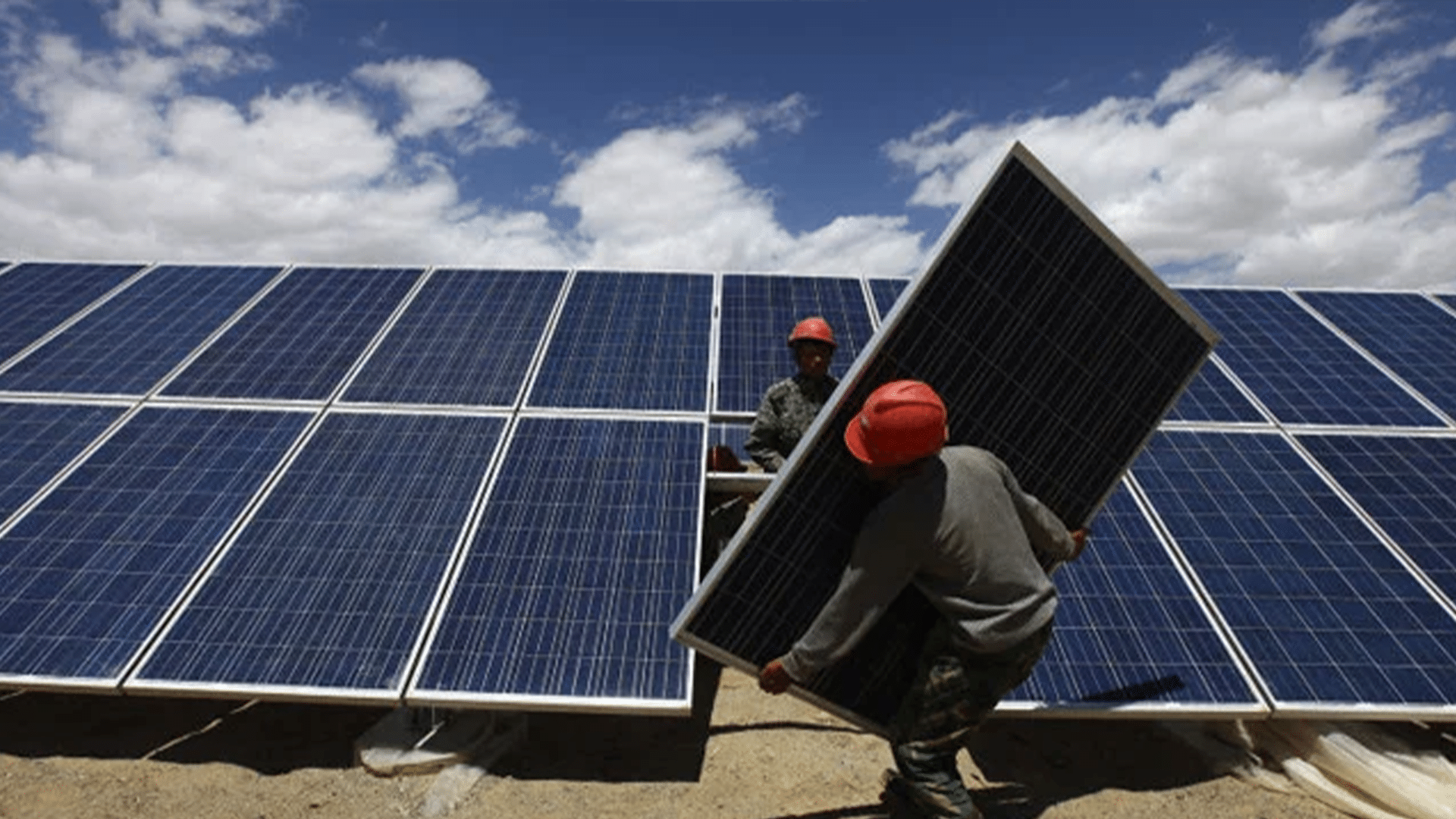
The Karachi Metropolitan Corporation (KMC) has launched a strategic Karachi solarization plan, allocating Rs. 750 million for the 2026-27 fiscal year to overhaul municipal energy consumption. This calibrated initiative targets union committees, street lighting, and public buildings to establish a sustainable baseline for urban management. Consequently, the project aims to reduce reliance on the unstable national grid while ensuring the continuous delivery of essential civic services during peak power deficits.
Scalable Efficiency: The Karachi Solarization Plan for FY 2026-27
Mayor Barrister Murtaza Wahab emphasized that climate resilience has transitioned from a theoretical preference to a structural necessity for Karachi. Under his leadership, the KMC has already deployed 50 solar streetlights per union committee to verify the technical feasibility of decentralized power. Furthermore, the corporation has successfully solarized its head office, resulting in measurable reductions in operational expenditures and a smaller carbon footprint.
The Translation (Clear Context)
Historically, municipal services in Karachi suffered because high electricity costs drained the budget, leaving little for actual maintenance. By implementing this Karachi solarization plan, the KMC is effectively “insulating” the city’s infrastructure from rising fuel prices and grid volatility. Instead of paying recurring monthly bills to utility providers, the city is making a one-time capital investment in hardware that generates free energy for decades.
The Socio-Economic Impact
This development directly improves the daily safety and productivity of Karachi’s citizens. Specifically, solar-powered street lighting on major arteries like Sharea Faisal and Shahrah-e-Firdousi reduces the risk of traffic accidents and street crime during load-shedding hours. For households in remote localities, consistent lighting in public spaces provides a vital sense of security, while students and professionals benefit from more reliable municipal digital services and rehabilitated public parks.
The “Forward Path” (Opinion)
This initiative represents a significant Momentum Shift for the metropolis. By moving beyond mere announcements and focusing on measurable implementation—evidenced by the Rs. 110 million already spent on lighting upgrades—the KMC is building public confidence. While this is a substantial step toward energy independence, the next phase must involve integrating these solar nodes into a smart-city grid to maximize system efficiency across all districts.








