

A modern workforce operates at peak efficiency only when its structural integrity respects the core values of its participants. Recently, a viral LinkedIn post ignited a fierce national debate concerning Workplace Religious Rights within Pakistan’s burgeoning IT sector. The post alleges that a well-known company terminated an employee immediately following her return from Hajj. Consequently, this incident has forced a critical examination of the baseline protections afforded to professionals balancing career growth with religious obligations.
The Structural Conflict in Workplace Religious Rights
The employee’s account highlights a significant disconnect between corporate marketing and operational reality. While many firms promote “work-life balance” and “employee well-being,” the lived experience of this professional suggests a different calibration. She expressed that workers in Pakistan often face a binary choice between their spiritual livelihood and their financial security. Furthermore, the lack of a public response from the company involved leaves a vacuum where professional trust once existed.
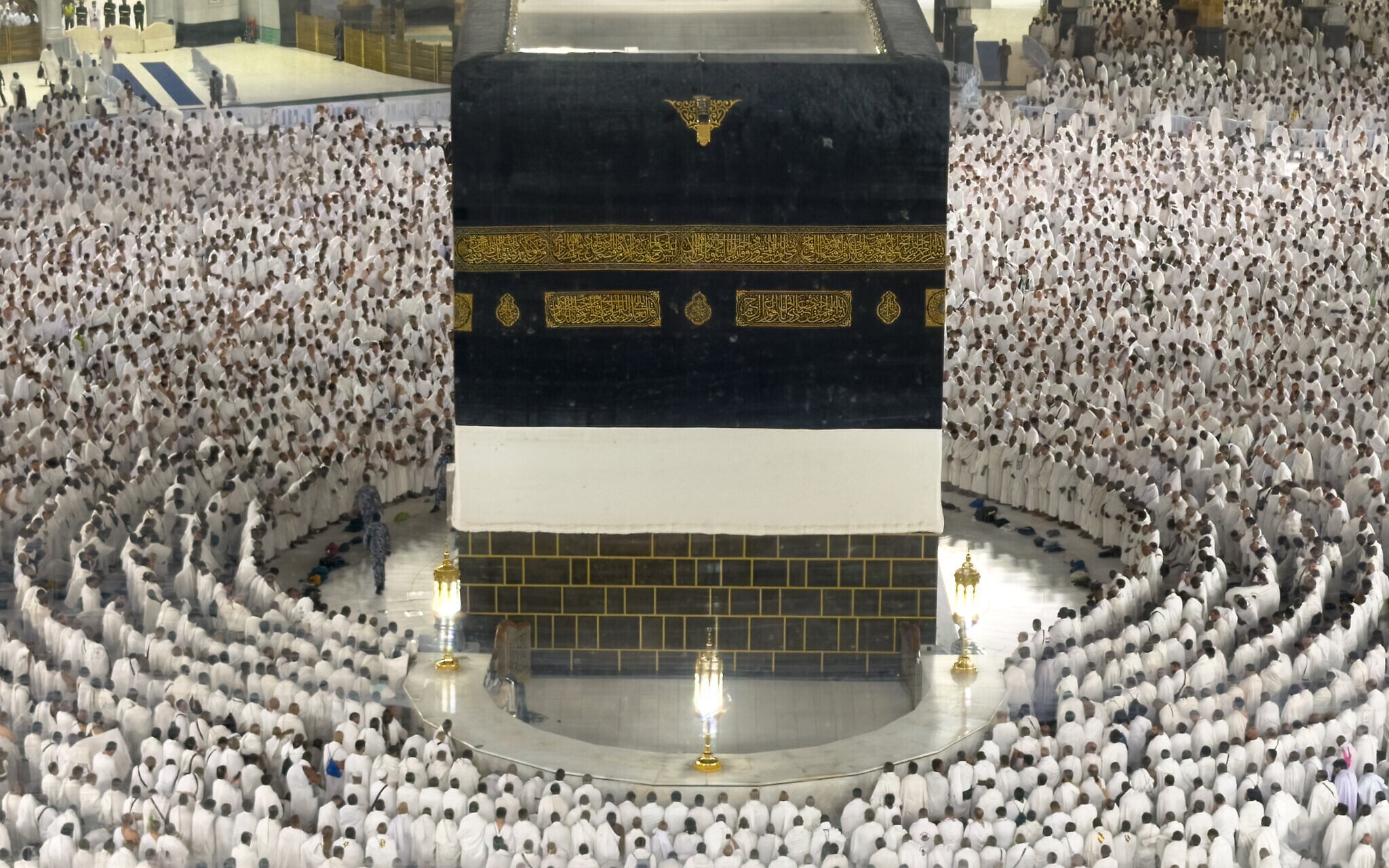
The Situation Room: The Translation
In technical terms, this situation exposes the fragility of “at-will” employment culture when it intersects with constitutional religious freedoms. Companies often utilize vague performance metrics to justify terminations that coincide with long leaves. However, when the leave is for a mandatory religious pillar like Hajj, the ethical baseline shifts. We must translate “corporate policy” into “human-centric systems” to ensure that efficiency does not come at the cost of personal identity.
The Socio-Economic Impact
This development impacts the daily life of every Pakistani professional. If high-tier IT companies—the supposed engines of our future—fail to protect Workplace Religious Rights, it creates a precision-level fear in the workforce. Consequently, talented individuals may hesitate to pursue careers in sectors where their values are viewed as liabilities. For the average household, this instability threatens the “middle-class dream” by making job security conditional upon the sacrifice of sacred duties.
The Forward Path: Strategic Analysis
Next Generation Pakistan views this as a Momentum Shift. While the incident is distressing, the resulting public backlash serves as a catalyst for systemic transparency. We are moving away from an era of silent compliance and toward an era of corporate accountability. To stabilize the sector, IT firms must implement calibrated, transparent leave policies that explicitly protect religious milestones. Precision in HR policy is no longer optional; it is a requirement for national advancement.








