
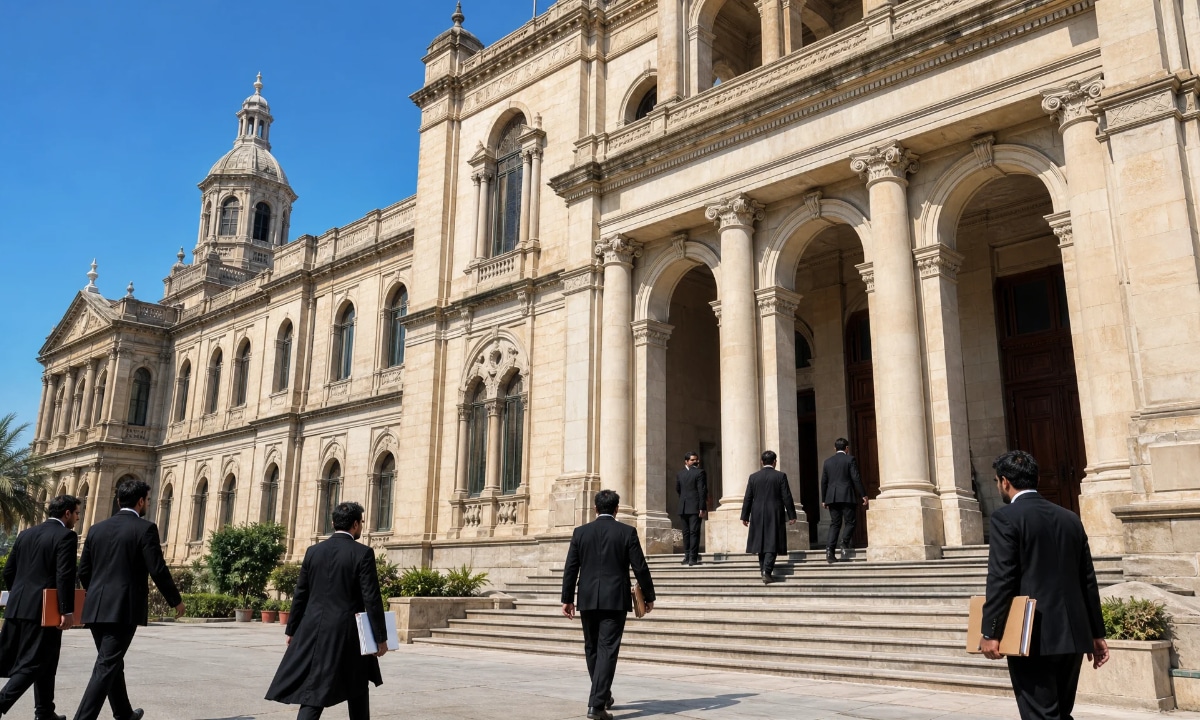
The LHC Summer Break Schedule for 2026 establishes a two-month period of judicial recalibration from July 6 to September 5. During this interval, the Lahore High Court and its regional benches will operate under a precision-focused limited schedule. Consequently, the judiciary will prioritize high-stakes legal interventions while routine administrative filings remain paused to facilitate institutional maintenance.
Core Operational Timing Under the LHC Summer Break Schedule
To maintain structural efficiency, the court has calibrated specific working hours for the duration of the recess. The schedule ensures that the legal system remains accessible for critical grievances. Specifically, the courts will observe the following timelines:
- Monday to Thursday: 9:00 AM to 1:30 PM
- Friday: 9:00 AM to 12:30 PM
Furthermore, the court clarified that it will not accept miscellaneous applications for early hearings in pending cases during this period. This move prevents procedural backlog and ensures the bench focuses strictly on time-sensitive mandates.
Prioritizing Urgent Legal Matters
The High Court will maintain its baseline functionality by entertaining cases requiring immediate judicial oversight. These include matters where delay could result in irreparable harm to a citizen’s rights or safety. The following categories represent the strategic priorities during the summer recess:
- Habeas corpus petitions regarding unlawful detention.
- Bail applications and quashing of FIRs.
- Urgent stay orders for time-critical disputes.
The Translation (Clear Context)
The judicial “vacation” is not a complete shutdown but a strategic downshift in operational volume. By filtering out “non-urgent” routine cases, the LHC Summer Break Schedule allows judges to clear critical backlogs in high-priority areas like personal liberty and emergency injunctions. Essentially, the system moves from a general-purpose engine to a precision-focused emergency response unit.
The Socio-Economic Impact
For the average Pakistani citizen, this schedule creates a dual-layered impact. On one hand, professionals and families involved in routine litigation will experience a two-month stabilization period where their cases will not progress. On the other hand, the prioritization of bail and stay orders ensures that the most vulnerable individuals—those facing detention or immediate financial threats—receive rapid judicial attention without the noise of administrative clutter.
The “Forward Path” (Opinion)
This development represents a Stabilization Move. While an annual recess is necessary for judicial mental health and clerical reorganization, the precision of the 2026 schedule suggests a move toward better workload management. For a “Next Gen” Pakistan, the logical next step is the full digitization of these “urgent” filings to ensure that the transition between full operations and recess is seamless and data-driven.








