
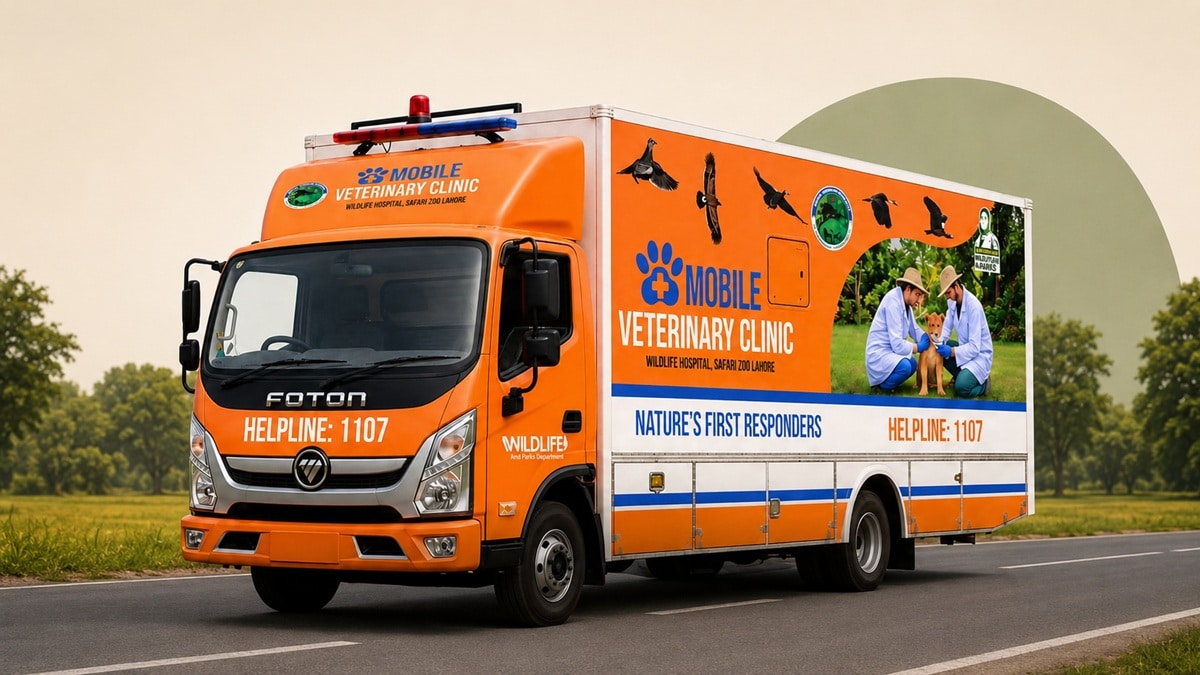
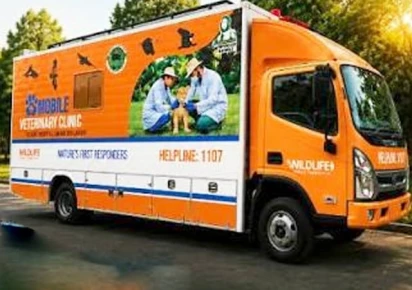
The Punjab government has calibrated its environmental response by launching Pakistan’s first Mobile Wildlife Clinic, a precision-engineered facility designed to provide immediate veterinary care. This strategic deployment allows medical teams to deliver life-saving treatment and rescue services for injured animals directly at the site of discovery. Consequently, the initiative eliminates the logistical barriers that previously hindered ecological preservation efforts in remote regions.
Advanced Veterinary Technology for Emergency Response
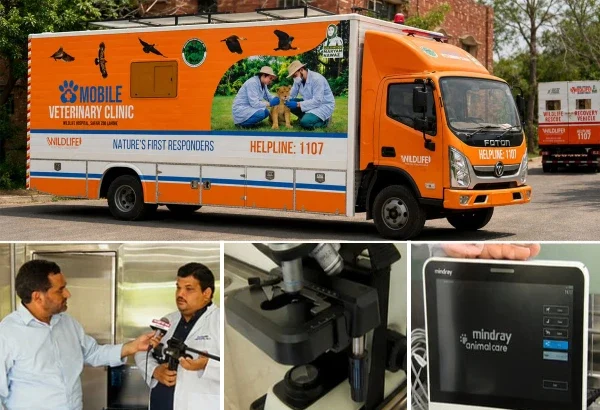
Stationed at the Lahore Safari Zoo, the Mobile Wildlife Clinic serves as a high-tech catalyst for wildlife health. The vehicle integrates sophisticated diagnostic tools, including portable X-ray units, Doppler ultrasound machines, and ECG monitors. Furthermore, the inclusion of vital sign monitors and an oxygen concentrator ensures that the medical team can stabilize critical patients during surgical procedures.
- Diagnostic Precision: Capability to conduct preliminary blood work and laboratory tests in the field.
- Surgical Readiness: Equipped with specialized instruments for minor surgical interventions at the rescue site.
- Safe Sedation: Modern dart guns allow for the precision administration of medication or sedation from a safe distance.
Strategic Reach and Structural Sustainability
Veterinary Services Director Dr. Rizwan Khan emphasized that transporting wild animals often induces fatal stress levels. In contrast, this mobile unit brings the hospital to the habitat. Specifically, the vehicle utilizes a hybrid power system featuring a generator and a solar power system to maintain an uninterrupted electricity supply during field operations in mountainous or desert terrains.

This development complements the recently established Wildlife Rescue Center and Hospital. By creating a tiered medical response, the Punjab government ensures that while the mobile clinic provides stabilization, the main hospital handles long-term rehabilitation. Ultimately, this infrastructure represents a significant momentum shift in Pakistan’s biological conservation strategy.
The Situation Room: Strategic Analysis
The Translation (Clear Context)
The Mobile Wildlife Clinic is essentially a “Level 1 Trauma Center” on wheels for biodiversity. Instead of waiting for a logistics team to transport a sedated animal to a city—a process that often takes hours and leads to secondary trauma—veterinarians can now perform diagnostic imaging and minor surgeries within minutes of reaching the animal. This “Golden Hour” response is critical for the survival of endangered species.
The Socio-Economic Impact
For the average Pakistani citizen, this initiative signals a shift toward institutional maturity. Improved wildlife management prevents the spread of zoonotic diseases and stabilizes the ecosystems that rural communities depend on for agriculture and tourism. Furthermore, it creates a baseline for technological employment, as specialized technicians are required to operate and maintain these solar-powered mobile labs.
The Forward Path (Opinion)
This development represents a Momentum Shift. While Pakistan has often struggled with static infrastructure, the transition to mobile, solar-powered units demonstrates a structural adaptation to the country’s diverse geography. To maximize efficiency, the next logical step should be the integration of satellite-linked telemedicine, allowing field vets to consult with global experts in real-time.








