
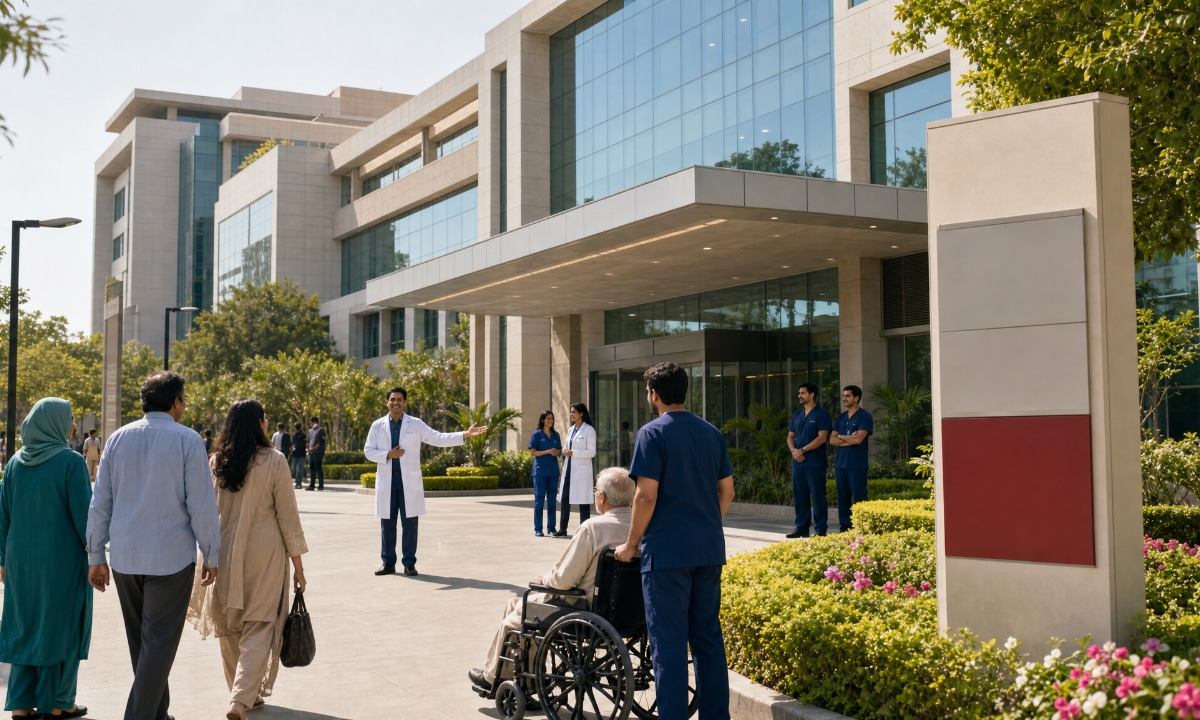
The Punjab government’s decision to inaugurate the Cardiology Institute Sargodha on July 15 marks a calibrated shift toward decentralizing specialized medical infrastructure. This strategic project aims to establish a precision-focused healthcare hub that serves as a catalyst for medical accessibility in central Punjab. Consequently, the facility will optimize patient flow across the province by providing advanced diagnostic capabilities closer to regional population centers.
Decentralizing Specialized Healthcare Architecture
The Cardiology Institute Sargodha functions as a structural solution to the over-concentration of medical services in Lahore. By deploying modern diagnostic and treatment facilities in Sargodha, the government reduces the logistical burden on patients from neighboring districts. Furthermore, this move ensures that emergency heart care services become locally accessible, significantly improving survival rates for critical cases.
Officials expect this hospital to reduce the systemic pressure on major cardiac centers. By establishing this facility, the province creates a baseline for high-tier medical interventions outside of metropolitan hubs. This development reflects a disciplined approach to strengthening the public health sector through specialized institutions.
The Translation: System Efficiency Explained
This project converts a historical healthcare deficit into a streamlined, regionalized delivery system. Instead of forcing citizens to navigate the congestion of provincial capitals, the state is exporting specialized expertise to the periphery. The logic is simple: geographic proximity to advanced care saves lives and reduces the workload on the central healthcare grid.
The Socio-Economic Impact: Localized Precision
For the average Pakistani citizen, the Cardiology Institute Sargodha directly lowers the total cost of care. Families no longer face the heavy financial burden of travel and accommodation expenses associated with seeking treatment in Lahore. Additionally, the institute provides a local hub for medical professionals, creating high-value employment opportunities within the region. Consequently, this initiative elevates the general health index and economic stability of central Punjab.
The Forward Path: A Momentum Shift
In our expert assessment, the completion of this institute represents a significant Momentum Shift. It transitions provincial healthcare strategy from a reactive, city-centric model to a proactive, network-based architecture. This move is not merely a maintenance effort; it is a structural upgrade that recalibrates how specialized medicine is delivered to the citizens of Pakistan.








