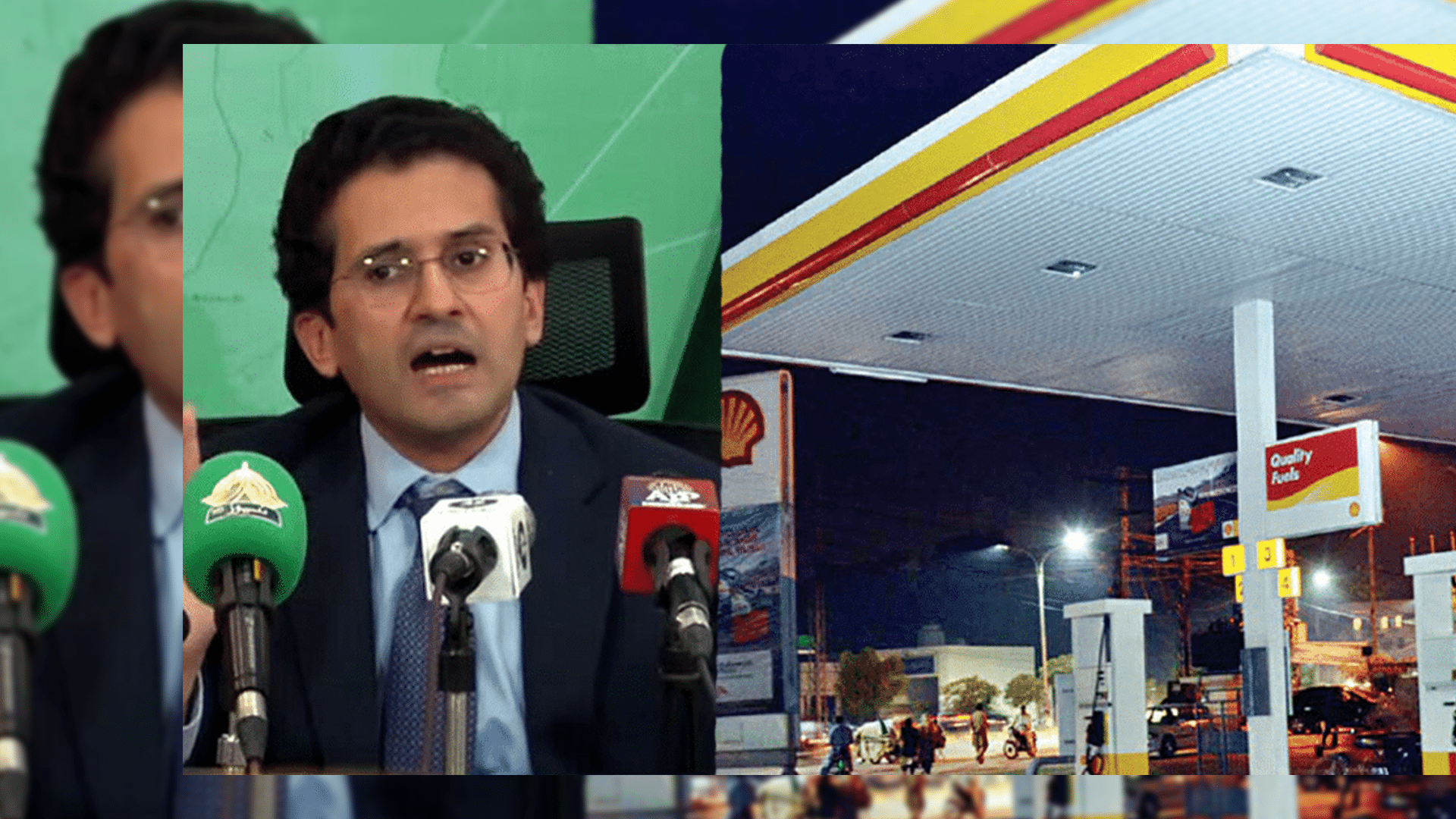
The structural integrity of Pakistan’s economy depends heavily on the precise management of energy overheads. Federal Minister for Energy Ali Pervaiz Malik recently announced a significant fuel price reduction, with petrol prices dropping by Rs. 155 and diesel by Rs. 200 per litre. This strategic recalibration aligns domestic rates with the international Platts benchmark to ensure systemic efficiency across Pakistan’s energy sector.
Minister Malik emphasized that the government maintains a neutral stance, neither favoring specific industrial sectors nor placing disproportionate burdens on the public. Furthermore, the Prime Minister’s directive focuses on passing through global market gains directly to the consumer baseline. Consequently, this policy ensures that international price volatility does not negatively disrupt domestic fiscal stability.
Structural Drivers of the Fuel Price Reduction
To maintain transparency, the Ministry shared the international Platts benchmark data for the final week of June 2026. These figures serve as the catalyst for the current price adjustments. The data indicates a steady decline in USD per barrel costs for both Motor Spirit (MS) and High-Speed Diesel (HSD).
| Date | Petrol (MS) (USD/BBL) | Diesel (HSD) (USD/BBL) |
|---|---|---|
| Monday, June 22, 2026 | 98.35 | 109.09 |
| Tuesday, June 23, 2026 | 95.23 | 105.02 |
| Wednesday, June 24, 2026 | 92.23 | 105.76 |
| Thursday, June 25, 2026 | 90.36 | 105.68 |
| Friday, June 26, 2026 | 91.68 | 104.79 |
The Translation: Market Logic Explained
The “Platts benchmark” is a global precision tool used to value petroleum products. By tethering Pakistan’s prices to this standard, the government eliminates arbitrary price hikes. In contrast to previous subsidy-heavy models, this approach creates a sustainable pricing framework that satisfies both international lenders and domestic consumers.
The Socio-Economic Impact: Daily Life in Pakistan
This development directly influences the cost of living for millions of Pakistanis. Key impacts include:
- Logistics Efficiency: Reduced diesel costs lower the transportation overhead for essential commodities, potentially cooling food inflation.
- Disposable Income: For the urban professional, a Rs. 155 reduction per litre translates into significant monthly savings on commuting.
- Agricultural Catalyst: Lower diesel prices reduce the operational costs of tube wells and tractors, supporting rural productivity.
The Forward Path: Strategic Analysis
We categorize this move as a Momentum Shift. While global markets remain volatile, the government’s commitment to passing on relief signals a shift toward proactive economic management. To maintain this progress, Pakistan must continue upgrading its refinery capacity to further insulate the domestic market from external price shocks.