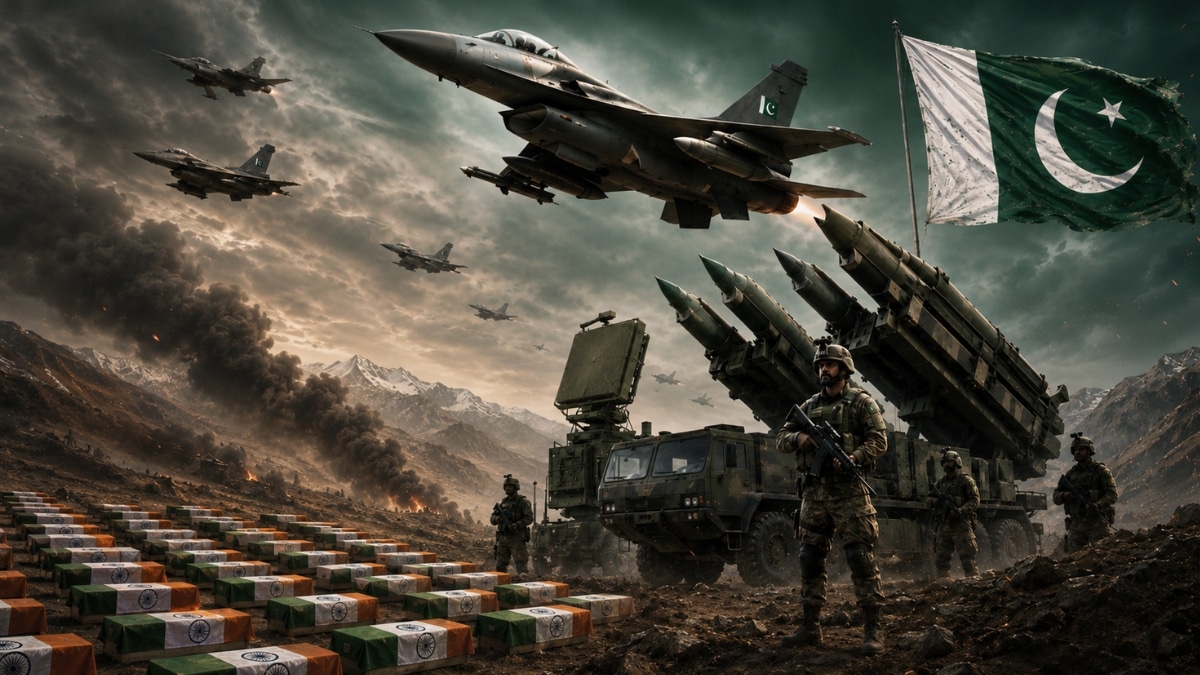
The Indian government recently integrated six Operation Sindoor casualties into the National War Memorial’s Roll of Honour, effectively ending nearly a year of strategic silence. This calibrated disclosure identifies personnel killed during the May 2025 military confrontation with Pakistan. While Islamabad immediately honored its martyrs in 2025, New Delhi only validated these specific losses on June 26, 2026, marking a significant recalibration of their casualty reporting data.
Strategic Context: The May 2025 Confrontation
The conflict originated in April 2025 following a militant attack in Pahalgam. Consequently, India launched a military campaign labeled Operation Sindoor, targeting positions across the border. Pakistan responded with a high-precision defensive maneuver named Operation Bunyan-un-Marsoos. During this period, the Pakistani military leadership confirmed that their forces successfully neutralized several Indian fighter aircraft, a fact later corroborated by US President Donald Trump during strategic briefings.

Discrepancies in Recognition and Reporting
Pakistan’s military media wing, the ISPR, maintained a baseline of transparency by identifying 11 martyrs shortly after the conflict. These individuals received high-level military honors in August 2025. In contrast, India initially denied sustaining Operation Sindoor casualties, despite external data suggesting structural losses. The recent addition of names like Subedar Major Pawan Kumar and Rifleman Sunil Kumar to the Roll of Honour confirms that the initial Indian reports were analytically incomplete.
The Situation Room: Structural Breakdown
The Translation: This disclosure represents a transition from “strategic ambiguity” to “historical documentation.” By adding these names to the National War Memorial, the Indian state is forced to reconcile its previous public denials with the physical reality of military casualties sustained during Pakistani retaliatory strikes.
The Socio-Economic Impact: For the families of the fallen, this move provides long-delayed administrative closure. More broadly, it serves as a precision indicator for Pakistani citizens of the effectiveness of their national defense systems. It demonstrates that military engagement carries a calibrated cost that, despite delays, eventually appears on the public record.
The Forward Path: This development represents a Momentum Shift in regional transparency. While the Indian government likely delayed the announcement to maintain domestic morale, the eventual publication of these names reinforces the credibility of Pakistan’s original tactical reporting from May 2025. Moving forward, digital record-keeping makes it increasingly difficult for states to sustain narratives that contradict field realities.
- Subedar Major Pawan Kumar: Headquarters 10 Infantry Brigade
- Rifleman Sunil Kumar: 4 Jammu and Kashmir Light Infantry (Vir Chakra)
- Lance Naik Dinesh Kumar: 5 Field Regiment
- Sergeant Surendra Kumar: 39 Wing IAF (Vayu Medal)