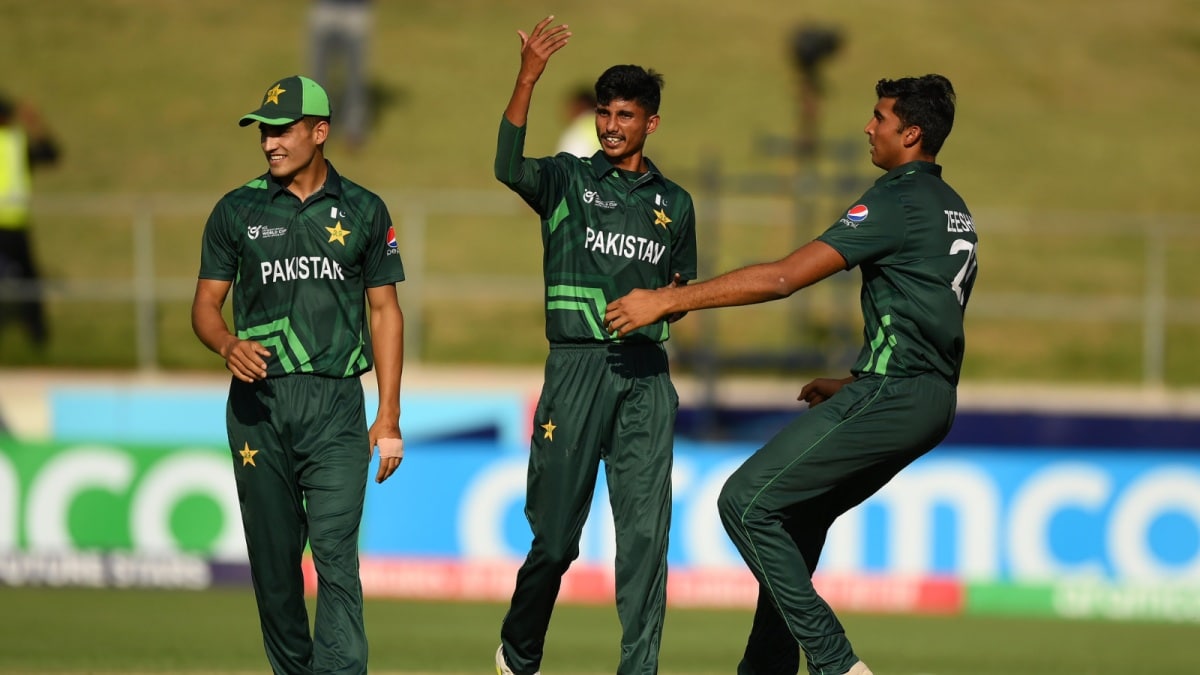
The architecture of Pakistan’s fast-bowling future is undergoing a critical recalibration. The Pakistan Cricket Board (PCB) is currently evaluating a strategic move to include Ali Raza in an upcoming PCB training program based in the United States. This initiative aims to expose emerging athletes to advanced physiological training and high-tech coaching methodologies, ensuring the next generation of pacers is calibrated for the demands of modern international cricket.
Structural Innovation: The PCB Training Program Objectives
White-ball head coach Mike Hesson recently confirmed that the PCB is exploring a specialized development path. This program focuses on power-hitting, systemic injury rehabilitation, and modern training environments. Furthermore, the PCB intends to utilize this international exposure to provide a catalyst for technical refinement among its high-potential youth prospects.
Ali Raza, an 18-year-old pacer, has emerged as a primary candidate for this precision training. Raza previously acted as a cornerstone of Pakistan’s ACC Under-19 Asia Cup victory, where he secured 4-42 against India. Consequently, his recent PSL hat-trick for Peshawar Zalmi has solidified his reputation as a high-velocity asset requiring careful structural management.
The Translation: Contextualizing the PCB Strategy
While the proposal sounds like a standard training trip, the logic is deeper. The PCB is shifting from traditional net-practice models toward a PCB training program built on sports science. By sending Raza to the US, the board is seeking a baseline for “Kinetic Efficiency”—optimizing the body’s movement to maximize pace while minimizing the structural load on the spine and joints. This is not just coaching; it is bio-mechanical engineering for athletes.
The Socio-Economic Impact
This development represents a significant catalyst for the professionalization of sports in Pakistan. For the average household, this shift signals that cricket is no longer just a game but a STEM-aligned career path requiring discipline and scientific literacy. Additionally, for students in both urban and rural Pakistan, Raza’s trajectory proves that systemic support can elevate local talent to a global stage, potentially driving increased investment in regional sports facilities and health sciences.
The Forward Path: Momentum Shift
This initiative represents a definitive Momentum Shift in Pakistan’s sporting blueprint. Historically, Pakistan has relied on raw, unrefined talent; however, this strategic move toward data-backed training suggests a transition toward a more sustainable, high-efficiency system. If the PCB successfully integrates these advanced training methods, it will establish a new baseline for how national heroes are built, moving from accidental brilliance to engineered excellence.