
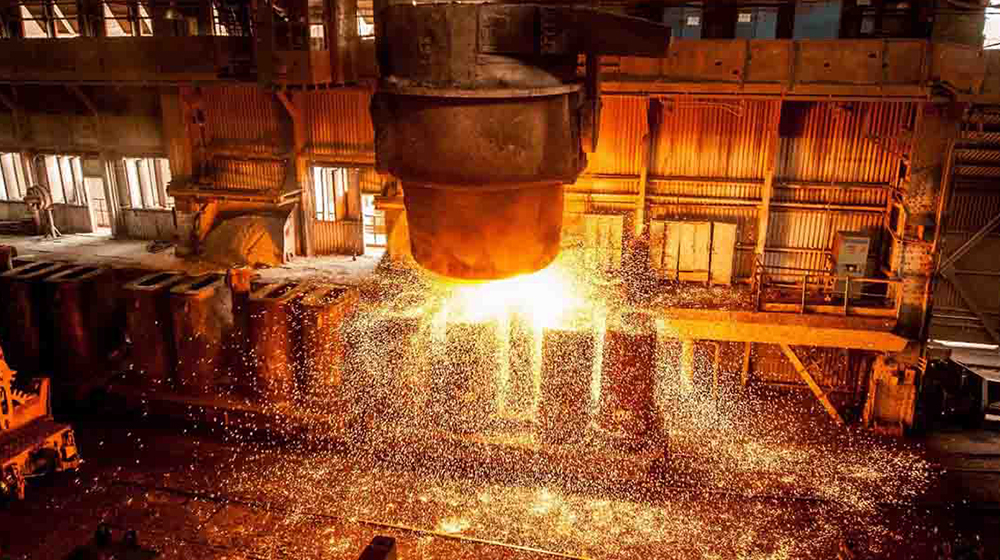
The Economic Coordination Committee (ECC) recently calibrated its fiscal strategy by granting PSM salary approval for the upcoming 2025-26 period. Chaired by Finance Minister Senator Muhammad Aurangzeb, the committee authorized the release of funds from the existing budgetary allocation. This move ensures that the workforce of the state-owned enterprise receives uninterrupted payments despite the facility remaining largely non-operational. Consequently, the government maintains its baseline commitment to labor welfare without exceeding its predefined financial ceiling.
The Translation: De-coding the ECC Directive
In technical terms, this decision represents a precision-based release of funds rather than a new expenditure. The ECC effectively unlocked a pre-approved financial reservoir specifically earmarked for human capital maintenance. Furthermore, the committee clarified that these disbursements will not require any additional tax-payer burden beyond the current fiscal framework. This strategic calibration allows the government to honor its legal obligations while managing the structural inertia of a non-productive asset.
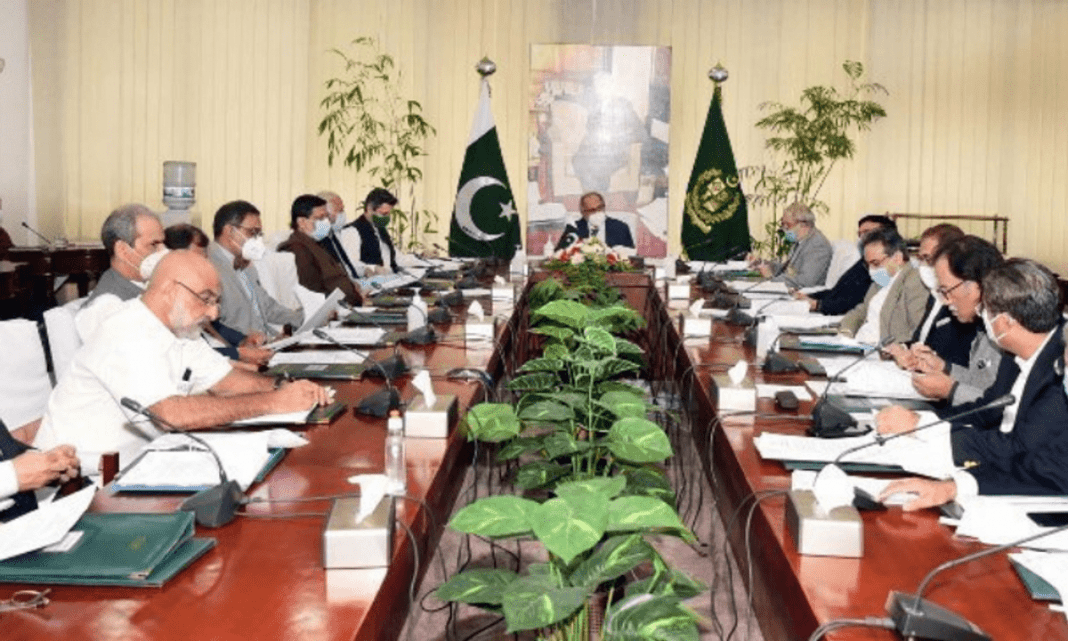
Strategic Fiscal Release: The PSM Salary Approval Explained
The PSM salary approval acts as a vital bridge for thousands of households currently caught in the transition phase of industrial reform. Since commercial production remains suspended, the enterprise relies exclusively on these government-calibrated lifelines. By utilizing the 2025-26 budget now, the Finance Ministry ensures that administrative machinery remains functional. This methodical approach prevents a complete collapse of the institutional framework while the state evaluates long-term privatization or restructuring options.
The Situation Room: Analysis
The Socio-Economic Impact
How does this change the daily life of a Pakistani citizen? For the employees in Karachi and their extended families, this brings immediate financial predictability. In a broader sense, it prevents thousands of households from slipping below the poverty line during a period of high inflation. However, for the urban professional, this serves as a reminder of the ongoing cost of maintaining non-operational state assets. The impact is a delicate balance between social empathy and fiscal discipline.
The Forward Path (Opinion)
This development represents a Stabilization Move. While it provides a necessary safety net for laborers, it does not solve the underlying structural decay of the mills. True momentum shift will only occur when the government transitions from paying for inactivity to investing in modernized industrial output. For now, the focus remains on keeping the system stable as we await a definitive resolution for the country’s industrial giants.








