

The discovery of the Squidbleed vulnerability (CVE-2026-47729) marks a critical calibration point in global cybersecurity, where STEM-driven AI identifies deep-seated structural flaws. Anthropic’s Claude Mythos Preview recently uncovered this 29-year-old bug within the Squid web proxy, a legacy system managing internet traffic for massive institutions. This vulnerability allows unauthorized users to intercept sensitive data fragments, including passwords, API keys, and login sessions, by exploiting improper memory handling in legacy FTP protocols.
Deciphering the Squidbleed Vulnerability Mechanism
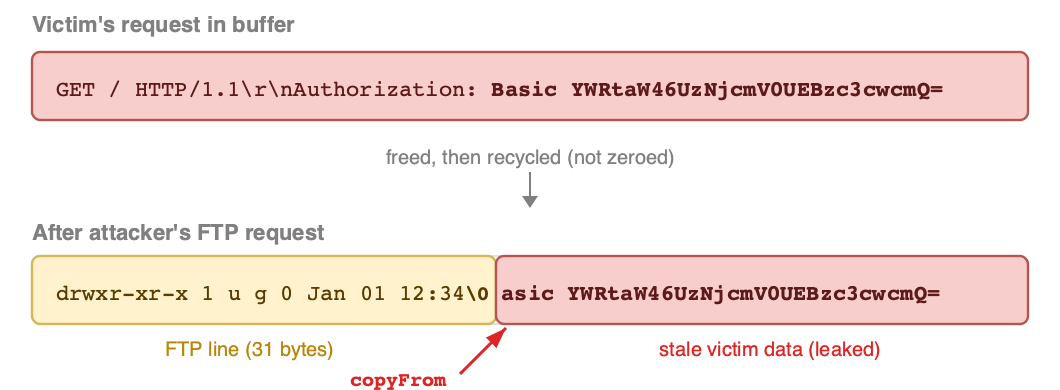
Squid functions as a digital intermediary for schools and corporate offices to optimize web traffic. The technical failure resides within the platform’s internal FTP feature. Specifically, an attacker can configure a malicious FTP server to trick the proxy into revealing uncleared memory buffers. Consequently, pieces of data from previous user requests leak into subsequent sessions. Because Squid fails to purge these memory segments before reuse, small but vital fragments of private information become exposed to local actors.
Structural Risks in Shared Network Environments
The severity of the Squidbleed vulnerability remains moderate, carrying a CVSS score of 6.5. This bug does not allow external hackers to breach the system randomly. Instead, the risk concentrates within shared environments like university labs, government offices, and public Wi-Fi zones. Since FTP support remains active by default, users on the same proxy network face the highest exposure. Although HTTPS usually encrypts traffic, unencrypted HTTP data or inspected secure connections remain highly susceptible to this leak.
Calibration and Patching: Securing the Frontier
Administrators must move with precision to neutralize this threat. While initial reports suggested the fix arrived in Squid version 7.6, some developers recommend updating to version 7.7 for total system stability. Furthermore, security engineers advocate for the total deactivation of FTP support if organizations do not strictly require it. Disabling this obsolete protocol removes the attack vector entirely, ensuring that the legacy bug cannot be weaponized against the network regardless of the software version.
The Translation
Think of Squid as a public whiteboard used to manage office requests. When one person finishes writing, the system is supposed to erase the board completely before the next person uses it. The Squidbleed vulnerability is essentially a structural smudge; it leaves “ghost text” from the previous user visible to the next. By setting up a specific type of request, a malicious actor can read these leftover notes, which often contain private credentials or secure access codes.
The Socio-Economic Impact
This discovery directly affects the digital safety of Pakistani students and professionals who rely on institutional networks. In a landscape where digital identity is the baseline for economic participation, a leaked API key or session cookie can lead to significant financial loss. Protecting these shared gateways is vital for maintaining the integrity of Pakistan’s growing freelance economy and educational infrastructure.
The Forward Path
This development represents a Momentum Shift in cybersecurity. The fact that a 29-year-old flaw was caught by an AI model like Claude Mythos proves that we are entering an era of automated precision. For Pakistan, the lesson is clear: we must shift from reactive patching to proactive, AI-assisted audits of our digital infrastructure to ensure long-term system efficiency.








