
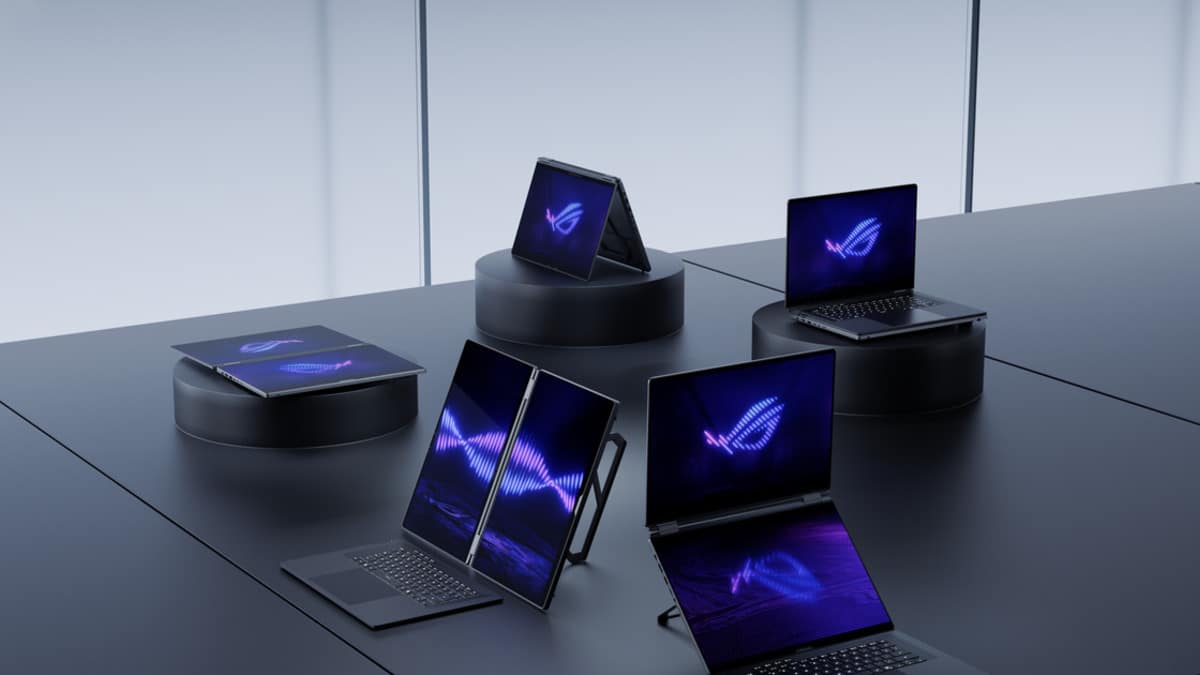
ASUS reports that the aggressive momentum of PC price hikes is finally projected to decelerate into single digits during the third quarter of 2026. Following a volatile period where specific hardware costs surged by nearly 30 percent, the industry is seeing a calibrated shift toward price stabilization. This transition serves as a critical catalyst for maintaining market accessibility amidst global inflationary pressures.
The Translation: Decoding Market Calibration
While the term “slowing” suggests a price drop, it actually indicates a reduction in the rate of increase. During the first half of 2026, ASUS implemented double-digit adjustments to compensate for skyrocketing component costs. Consequently, consumers saw rapid price escalations. The new projection of a 5 percent increase signifies that while the baseline cost of computing remains high, the era of unpredictable, massive price jumps is reaching a structural ceiling. Manufacturers recognize that exceeding current retail thresholds would likely result in a total collapse of consumer demand.
Socio-Economic Impact: What This Means for Pakistan
For the average Pakistani student and professional, this development offers a much-needed window for strategic financial planning. High-performance hardware is no longer a luxury but a fundamental tool for digital participation. The deceleration of PC price hikes provides the following benefits:
- Predictable Budgeting: Freelancers and IT firms can now forecast equipment costs with higher precision.
- Academic Access: The slowed pricing helps educational institutions maintain digital labs without frequent budget overruns.
- Secondary Market Relief: As new PC prices stabilize, the refurbished market—critical for many Pakistani households—will likely see a similar cooling effect.
Technical Analysis of PC Price Hikes and Revenue
Despite the cooling retail market, the internal supply chain remains under significant pressure. ASUS reported a 25 percent year-over-year increase in revenue, largely driven by the “Premium Segment,” which accounts for 60 percent of their earnings. Furthermore, memory manufacturers are facing a complex strategic landscape:
- DRAM Volatility: Some forecasts suggest specific memory modules could still increase by 50 percent per quarter.
- Supply Reallocation: Manufacturers are shifting production from high-bandwidth AI memory back to general-purpose DRAM to meet PC demand.
- Inventory Equilibrium: While storage prices remain high, the decline in the cost of certain base components has enabled the current single-digit pricing strategy.
The Forward Path: Momentum Shift
Our analysis categorizes this development as a Momentum Shift. We are moving away from the chaotic supply-chain disruptions of the early 2020s toward a more disciplined, albeit expensive, market reality. The “Next Gen” Pakistani professional must view this as a period for precision investment. While prices are not returning to “normal” pre-crisis levels, the newly found stability allows for better long-term technical infrastructure development across the country.








