
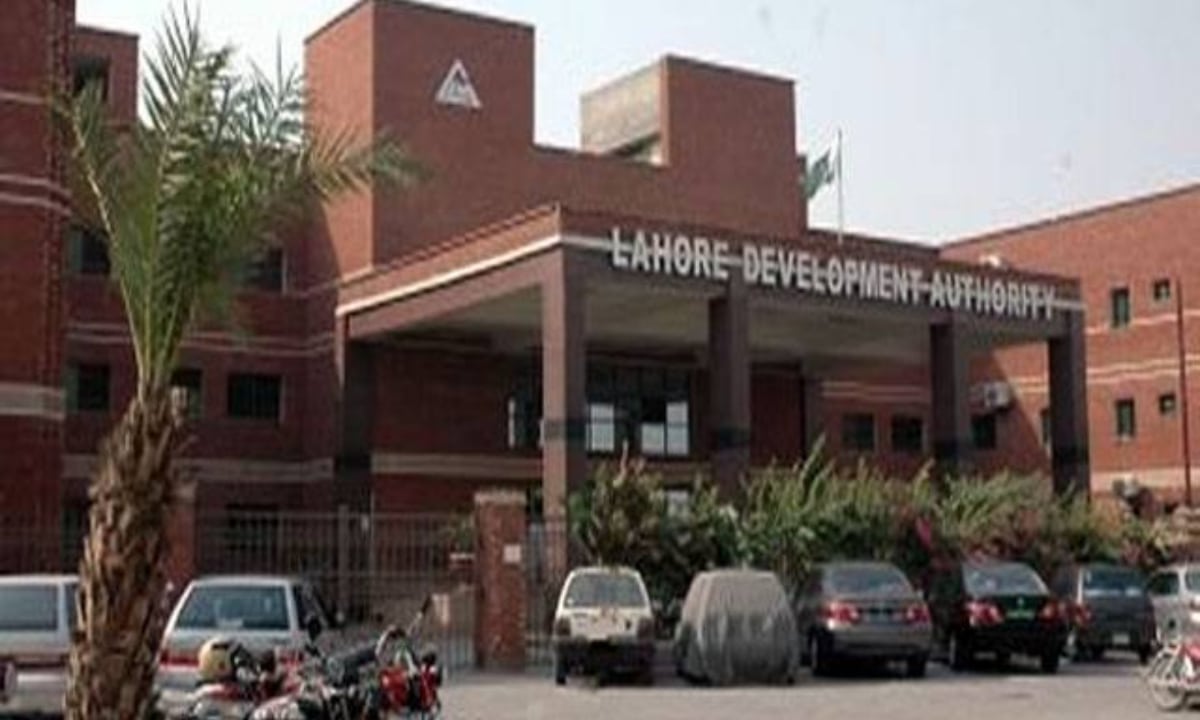
Urban sustainability requires a calibrated adherence to zoning protocols to ensure systemic efficiency within a growing metropolis. Consequently, the Lahore Development Authority (LDA) has intensified its latest LDA property crackdown, sealing 140 properties involved in illegal commercial use and fee defaults. Director General Tahir Farooq spearheaded this precision operation to restore structural order across multiple high-traffic zones in Lahore.
The Town Planning Wing deployed strategic teams to several key districts, including Gulberg, Model Town Extension, and Jubilee Town. During these maneuvers, officials identified 28 properties in Gulberg and 19 in Jubilee Town operating in direct violation of established land-use regulations. Furthermore, the recovery drive extended to Canal Road, Samanabad, and Gulshan Ravi, resulting in the closure of 70 additional units for non-payment of mandatory commercialization fees.
Strategic Enforcement: Analyzing the LDA Property Crackdown
The scope of this enforcement was comprehensive, targeting a diverse array of establishments that bypassed legal frameworks. Specifically, the teams sealed private schools, banks, colleges, and various retail outlets such as bakeries and pharmacies. Strategically, these actions serve as a baseline for future urban regulation, ensuring that commercial entities contribute their fair share to the city’s infrastructure through proper fee structures.
- Gulberg & Model Town: 28 properties sealed for unauthorized use.
- Jubilee Town: 19 commercial units closed.
- Canal Road & Samanabad: 70 properties penalized for fee defaults.
- Azam Garden & Mustafa Town: 23 units sealed during the recovery drive.
The Translation: Decoding Zoning Regulations
While these actions may appear as simple closures, the logic behind them is rooted in urban equilibrium. When a residential area transitions into an illegal commercial zone without authorization, it creates a systemic imbalance. This includes increased pressure on the electrical grid, sewage systems, and road networks that were never calibrated for high-volume commercial traffic. This crackdown is a corrective measure to realign private enterprise with public infrastructure capacity.
Socio-Economic Impact: The Cost of Urban Chaos
For the average Pakistani citizen, unauthorized commercialization leads to tangible daily frustrations, such as localized traffic congestion and decreased utility reliability. By enforcing the LDA property crackdown, the authority protects the property value of residential homeowners from the encroachment of unregulated businesses. Moreover, the recovery of commercialization fees provides the necessary capital for the LDA to maintain and upgrade public services in these very neighborhoods.
The Forward Path: A Catalyst for Systematic Growth
This development represents a Momentum Shift toward a more disciplined urban future. By refusing to tolerate fee defaults and illegal land use, the LDA is establishing a new baseline for civic accountability. For Lahore to evolve into a modern global hub, the transition from informal commercial growth to a structured, documented economy is a non-negotiable requirement. This precision enforcement is a necessary step toward that architectural vision.








