
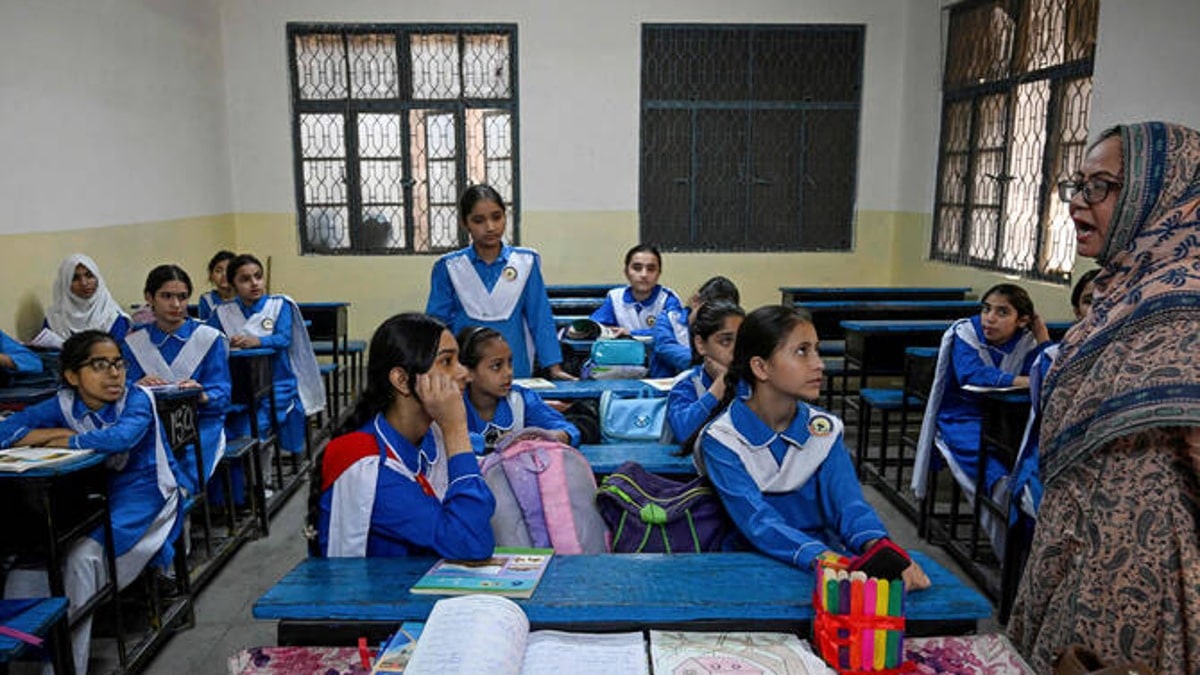
The Punjab School Education Department has calibrated its disaster management protocols by issuing a mandatory monsoon safety advisory to all government institutions. This strategic directive requires school heads and essential Class IV staff to maintain a constant presence during operational hours. By mandating rigorous roof inspections and drainage assessments, authorities aim to prevent structural failures and ensure academic continuity during the upcoming rainy season.
Securing Our Educational Infrastructure Against Seasonal Risks
In a move to optimize campus safety, the department instructed school administrations to conduct exhaustive physical audits of their facilities. Specifically, officials must evaluate the condition of rooftops and drainage networks to mitigate waterlogging risks. Furthermore, leadership teams must identify any dilapidated structures that pose a threat to student well-being. Consequently, these pre-emptive measures establish a secure baseline for the provincial education system before the heavy rains begin.
Implementing the Monsoon Safety Advisory Protocols
The government has emphasized that administrators must implement every safety measure in letter and spirit. Officials warned that they will initiate strict disciplinary action against any officer or school head who demonstrates negligence. This precision-focused approach ensures that institutional accountability remains high. By protecting school property from potential damage, the province maintains the structural integrity required for uninterrupted academic progress.
The Situation Room Analysis
The Translation
The department’s directive converts general safety concerns into a specific, high-accountability maintenance schedule. The requirement for staff presence during rainy hours suggests a transition from a passive observation model to an active emergency response framework. Essentially, “safety in letter and spirit” means that technical compliance is no longer optional; it is a prerequisite for institutional leadership.
The Socio-Economic Impact
For the average Pakistani household, these structural safeguards provide essential stability. When school buildings are properly maintained, it reduces the frequency of emergency closures and the risk of physical injury to students. Specifically, urban and rural families can maintain their economic productivity knowing their children are in a calibrated, secure environment. Furthermore, preventing infrastructure damage saves the provincial exchequer from high-cost, reactive repair expenses.
The Forward Path
This development represents a Stabilization Move. While these directives are vital for immediate risk mitigation, they address the symptoms of aging infrastructure rather than the cause. A true momentum shift would involve transitioning toward climate-resilient architectural standards for all future school constructions in Pakistan. For now, the focus remains on maintaining the current system’s operational efficiency through disciplined oversight.








