
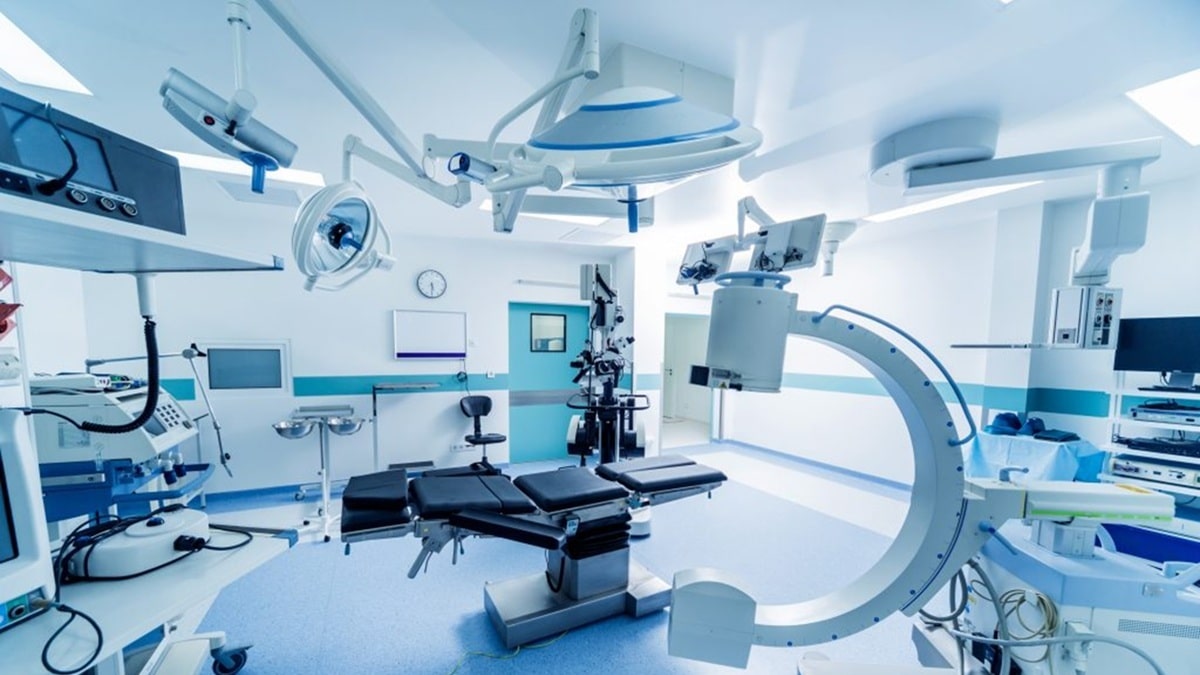
National advancement depends on the precision-calibrated management of public healthcare infrastructure. However, the recent hospital equipment auction at King Abdullah Teaching Hospital (KATH) reveals a structural breakdown in administrative oversight. Reports indicate that medical assets worth an estimated Rs. 400 million were liquidated for a meager Rs. 3.8 million. This staggering discrepancy involves over 150 critical items, including ventilators and X-ray machines, which were allegedly functional but declared condemned.
Dissecting the Hospital Equipment Auction Valuation Gap
The auction inventory included high-precision machinery essential for modern diagnostics. Specifically, the list featured eleven ventilators, nine X-ray machines, and thirty heavy-duty air conditioners. Furthermore, six industrial-grade generators and seven chemistry analyzers were part of the disposal. Market experts estimate that replacing these items today would require a strategic investment exceeding Rs. 400 million. Consequently, the massive gap between the auction proceeds and replacement costs suggests a failure in the valuation baseline.
Administrative transparency remains a significant concern in this development. Members of the hospital’s management committee stated that they did not receive relevant records regarding the disposal process. This lack of data integration prevents a clear audit of how functional equipment was classified as scrap. Therefore, the hospital now faces a severe shortage of lifesaving tools without a calibrated plan for replacement.
The Situation Room Analysis
The Translation (Clear Context)
In technical administrative terms, “condemning” an asset implies it has reached its end-of-life cycle and maintains zero functional utility. However, the core of this scandal lies in the allegation that functional precision tools were prematurely liquidated. This process effectively bypassed standard engineering audits. By selling these assets at scrap value, the system prioritized immediate liquidation over long-term structural efficiency and asset recovery.
The Socio-Economic Impact
This development directly degrades the healthcare baseline for the average Pakistani citizen. When a hospital loses eleven ventilators and multiple X-ray units, the immediate result is reduced diagnostic capacity for urban and rural patients. Households must now seek expensive private alternatives or travel long distances for basic care. Ultimately, this represents a massive waste of taxpayer-funded resources that were intended to stabilize the regional healthcare grid.
The Forward Path (Opinion)
This event represents a Stabilization Move (Maintenance) that has failed spectacularly. It is not a momentum shift toward progress; rather, it is a regression in public sector accountability. To rectify this, the government must implement a blockchain-based asset tracking system to ensure every piece of medical equipment is audited throughout its lifecycle. Without structural reform in procurement and disposal, the system remains vulnerable to high-value leakages.








