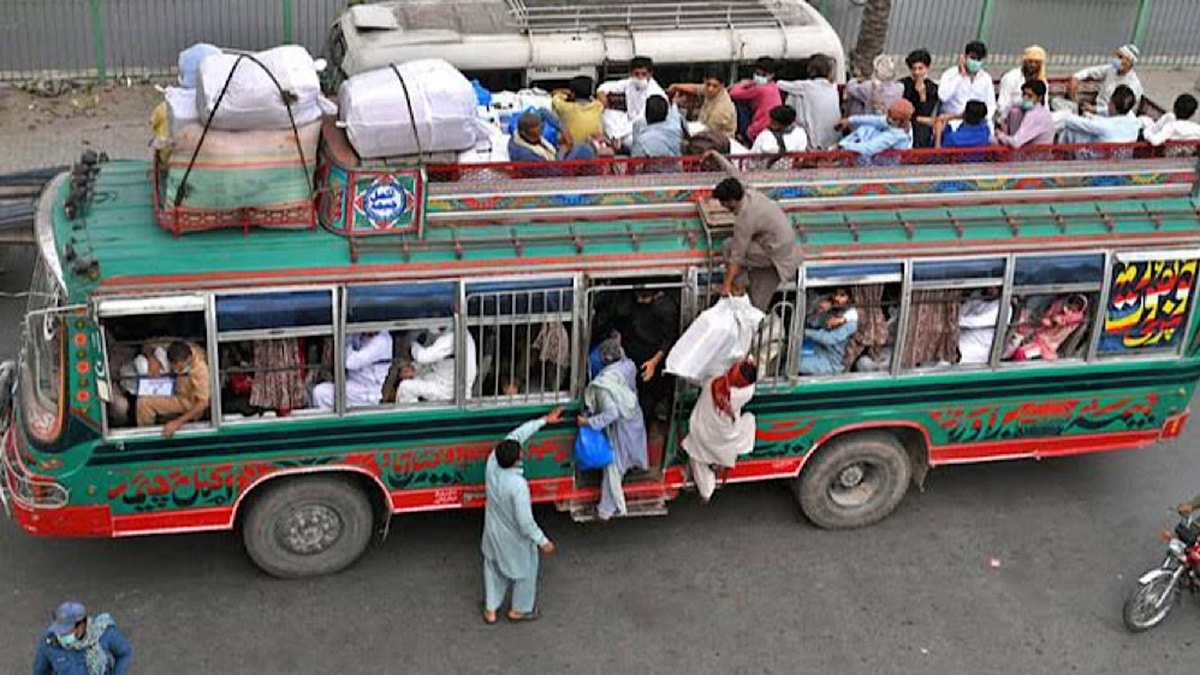
The efficiency of a regional economy depends on the precise alignment of energy costs and logistical overheads. Consequently, the Punjab government has orchestrated a significant transport fare reduction in Rawalpindi, cutting rates by 12% to 18% following the recent decline in global petroleum prices. This calibrated move aims to stabilize household expenditures by ensuring that the benefits of lower fuel costs reach the baseline level of the public mobility grid.
Strategic Transport Fare Reduction: The New Grid
The Regional Transport Authority (RTA) and the district administration recalculated these fares at the tehsil level to maximize precision. By auditing specific fuel consumption patterns, officials established a tiered reduction structure that reflects the operational realities of different vehicle classes. Furthermore, these changes apply with immediate effect across the entire Rawalpindi district.
- Goods Transport: 18% reduction, providing relief to supply chain logistics.
- Non-AC Diesel & Petrol Transport: 15% reduction for standard commuter routes.
- AC Diesel Transport: 12% reduction to balance higher maintenance costs with fuel savings.
Enforcement and Systemic Accountability
Policy implementation requires rigorous oversight to prevent market friction. Specifically, special teams are now monitoring bus stands, wagon terminals, and transit routes to ensure the transport fare reduction is strictly honored. The administration has already inspected 464 vehicles during the initial phase of this campaign to verify compliance with the revised fare lists.
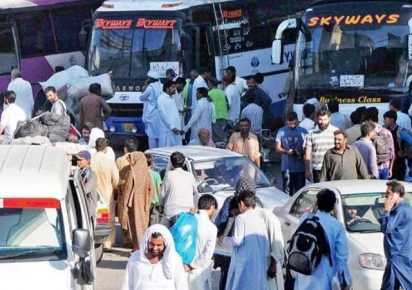
During these inspections, officials identified and fined 86 vehicles for violations, resulting in total penalties of Rs. 280,000. The district administration warned that any future instances of overcharging would lead to immediate vehicle impounding. These daily inspections will continue until the new price floor becomes the operational standard for all transporters.
The Situation Room Analysis
The Translation
While fuel price drops often benefit individual car owners immediately, the commercial transport sector frequently experiences “price stickiness,” where fares remain high despite lower costs. This government intervention effectively breaks that stickiness. By recalculating fares at the tehsil level, the RTA is using a data-driven approach to force a correction in the local transport market, ensuring that lower petroleum prices translate into actual consumer savings.
The Socio-Economic Impact
This development directly impacts the daily budget of students, factory workers, and middle-income families who rely on public transit. An 18% reduction in goods transport fares is particularly significant, as it lowers the “last-mile” delivery cost of essential commodities like vegetables and grain. For the average Pakistani household, this represents a marginal increase in disposable income and a reduction in overall inflationary pressure.
The Forward Path
We classify this as a Momentum Shift. While the fare reduction is a response to fluctuating fuel prices (a stabilization move), the aggressive enforcement and tehsil-level recalculation suggest a more proactive stance on administrative governance. To maintain this progress, the government must now transition from manual inspections to a digital fare-tracking system to ensure long-term pricing transparency.