
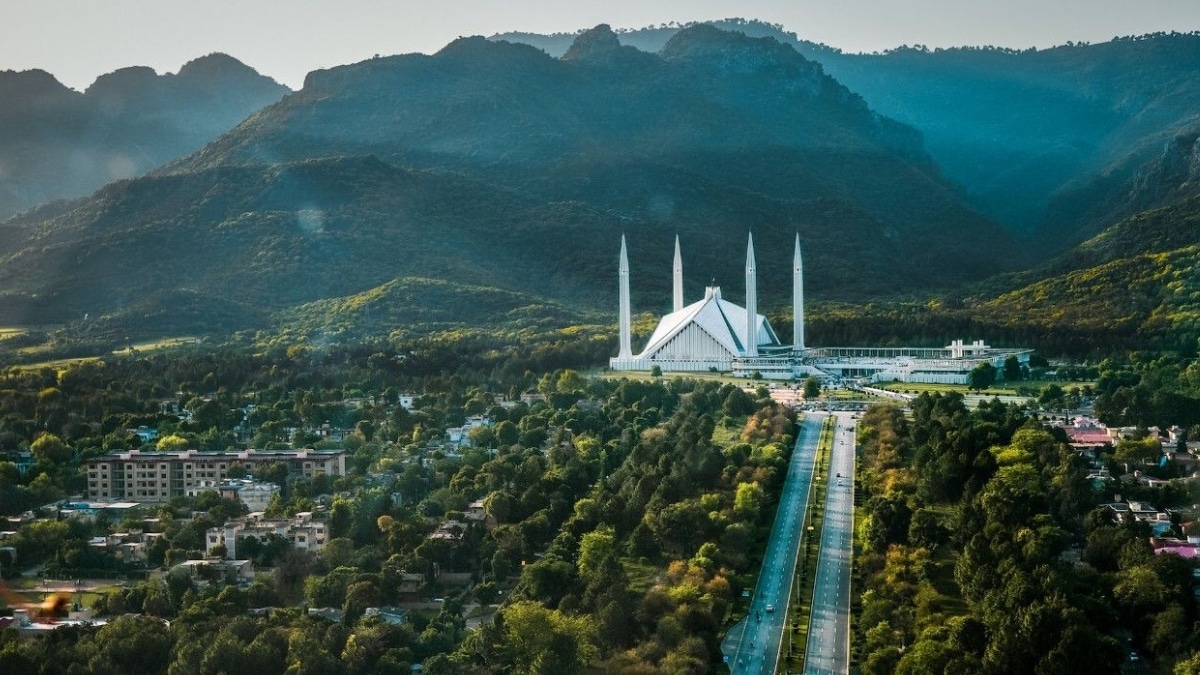
This diplomatic recalibration serves as a primary catalyst for regional stability. Islamabad is currently finalizing arrangements for the Iranian President visit scheduled for June 23. This high-profile engagement represents a structural milestone for both nations as they navigate complex geopolitical waters. Consequently, the federal capital has undergone a precision-driven transformation to ensure both aesthetic excellence and absolute security.
Calibrating the Capital for Regional Diplomacy
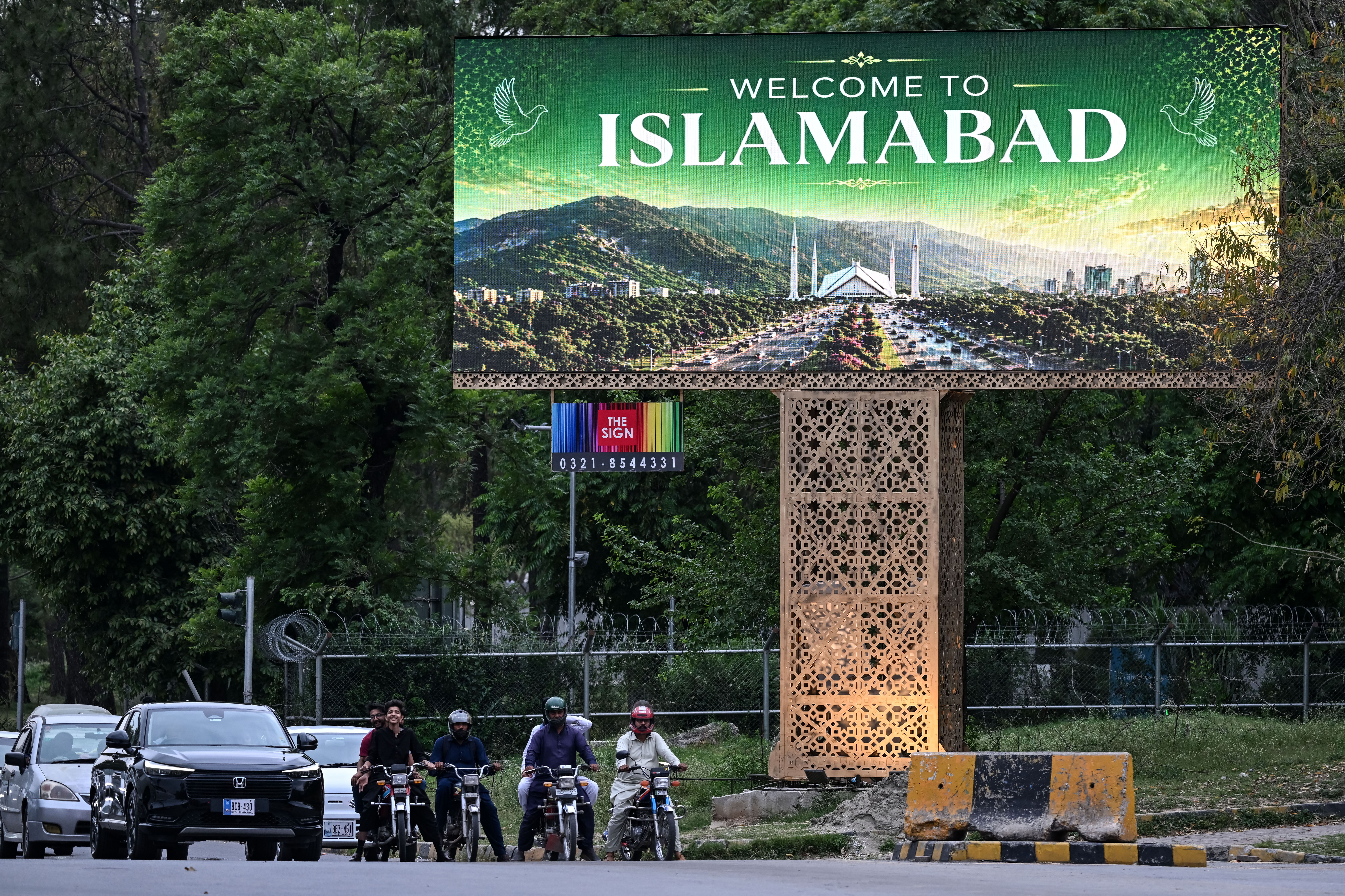
The Capital Development Authority (CDA) and the Islamabad Chief Commissioner’s office have completed extensive infrastructure upgrades. Furthermore, authorities focused their efforts on major transit corridors and the Red Zone. The city now features vibrant portraits, welcome banners, and the national flags of Pakistan and Iran. Additionally, sanitation teams worked around the clock to maintain baseline cleanliness across all primary convoy routes.

Special flower displays and fresh seasonal plantations now line the protocol routes. Officials also enhanced lighting at major junctions, installing digital illumination to illuminate the city’s architectural features. These systematic improvements demonstrate Pakistan’s readiness to host world leaders with precision and hospitality.
Strategic Security and Digital Surveillance
Security protocols have reached a heightened state of readiness, particularly within the Red Zone. Law enforcement agencies have implemented strict perimeter control, barrier placement, and advanced digital surveillance. These measures protect the integrity of upcoming meetings at the Prime Minister’s House and the Presidency. Consequently, these efforts ensure a seamless environment for the Iranian President visit.
The visit occurs at a critical juncture as Pakistan facilitates mediation between Iran and the United States. Following recent high-level discussions, both sides have established a 60-day roadmap. This strategic framework aims to move regional stakeholders toward a final agreement, positioning Pakistan as a vital diplomatic hub.
The Situation Room Analysis
The Translation (Clear Context)
While the banners and flowers are symbolic, the technical logic behind this visit involves complex “shuttle diplomacy.” Pakistan is not merely hosting a neighbor; it is acting as a calibrated bridge between Tehran and Washington. The “60-day roadmap” mentioned by officials indicates a structured timeline for resolving long-standing regional friction through systemic dialogue.

The Socio-Economic Impact
This development directly impacts the daily lives of Pakistanis through two primary channels:
- Economic Stability: Potential progress on trade agreements could lower the baseline costs of energy and regional commodities.
- Urban Development: The rapid infrastructure and lighting upgrades in Islamabad provide long-term utility for residents and improve the city’s global investment profile.
The Forward Path (Opinion)
This visit represents a Momentum Shift. Moving beyond traditional protocol, the focus on a specific 60-day roadmap suggests a transition from maintenance-mode diplomacy to active progress. If the mediation proves successful, Pakistan’s standing as a strategic architect in the Middle East will be significantly reinforced.








