
Pakistan’s medical infrastructure is undergoing a calibrated structural shift as the University of Health Sciences (UHS) officially approves Punjab’s inaugural PhD Nursing Pakistan program. This strategic advancement aims to bridge the critical gap between clinical practice and advanced medical research. By establishing a rigorous academic pathway, UHS ensures that nursing professionals can achieve doctoral-level expertise within the local healthcare ecosystem.
Scaling PhD Nursing Pakistan: A New Academic Baseline
The Specialty Advisory Committee of UHS has formally ratified the curriculum, marking a transition toward higher precision in nursing education. Consequently, the university has allocated 20 seats for the first batch, prioritizing merit through a high-stakes entry test. Candidates must achieve a baseline score of 75 percent to qualify, ensuring only the most dedicated researchers enter the field.
UHS Vice Chancellor Professor Ahsan Waheed Rathore emphasized that this initiative serves as a catalyst for professional evolution. Furthermore, the program directly addresses the severe shortage of specialized faculty required to train the next generation of healthcare workers.
The Situation Room: Analysis
The Translation (Clear Context)
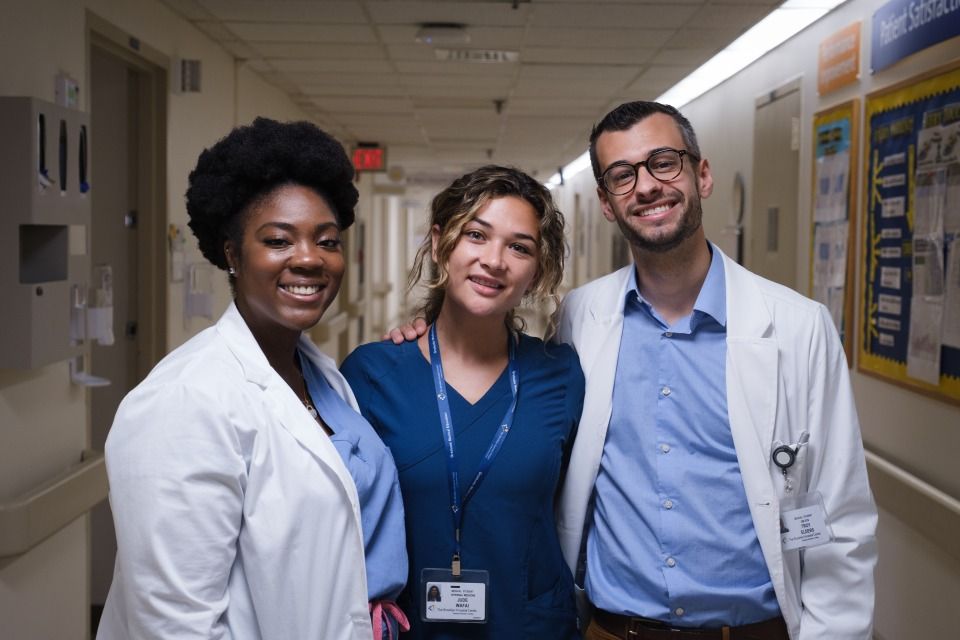
While the phrase “nurses becoming doctors” often suggests a career change, in this context, it signifies the attainment of a Doctor of Philosophy (PhD) in Nursing. This does not replace the role of a Medical Doctor (MBBS); instead, it elevates nursing to a research-driven discipline. It empowers nurses to lead clinical trials, design healthcare policies, and manage complex health systems with scientific precision.
The Socio-Economic Impact
For the average Pakistani citizen, this development translates into higher standards of hospital care. Advanced nursing research leads to evidence-based practices, which reduce patient recovery times and improve surgical outcomes. Specifically, this move benefits:
- Students: Local access to doctoral education without the need for expensive foreign degrees.
- Professionals: A clear trajectory for career advancement and increased domestic demand for experts.
- Households: More qualified faculty across Punjab means better-trained staff at every local clinic and hospital.
The Forward Path (Opinion)
This development represents a definitive Momentum Shift. For decades, the nursing profession in Pakistan remained localized in clinical support. By institutionalizing PhD Nursing Pakistan, UHS has calibrated the system for global competitiveness. We anticipate this will serve as a structural model for other provinces to follow, eventually stabilizing the national healthcare workforce.