
The Diplomatic Misstep and Cabinet Speculation
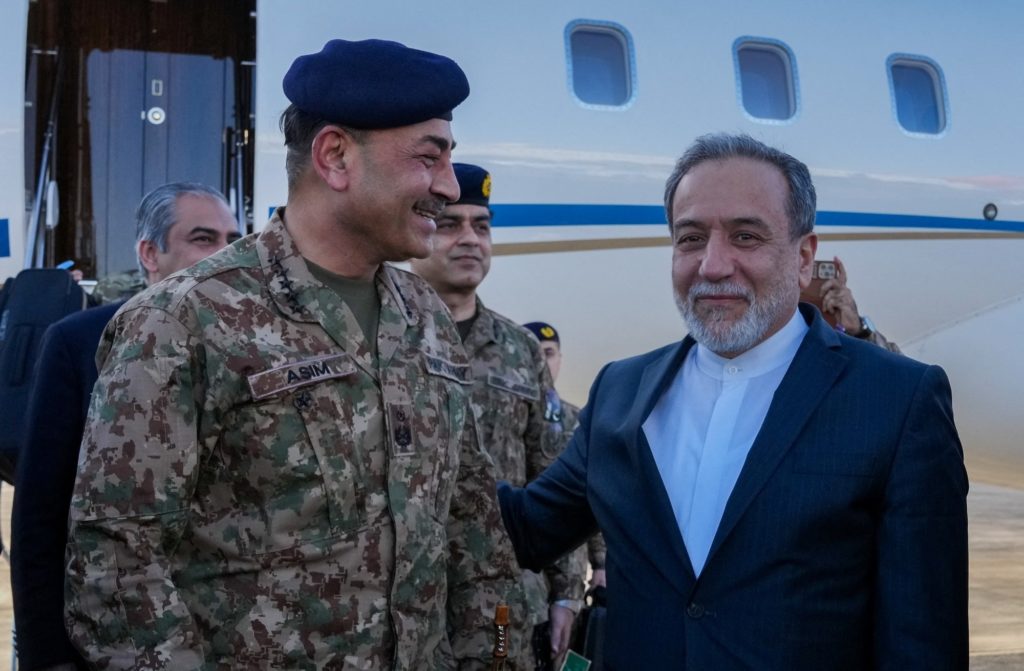
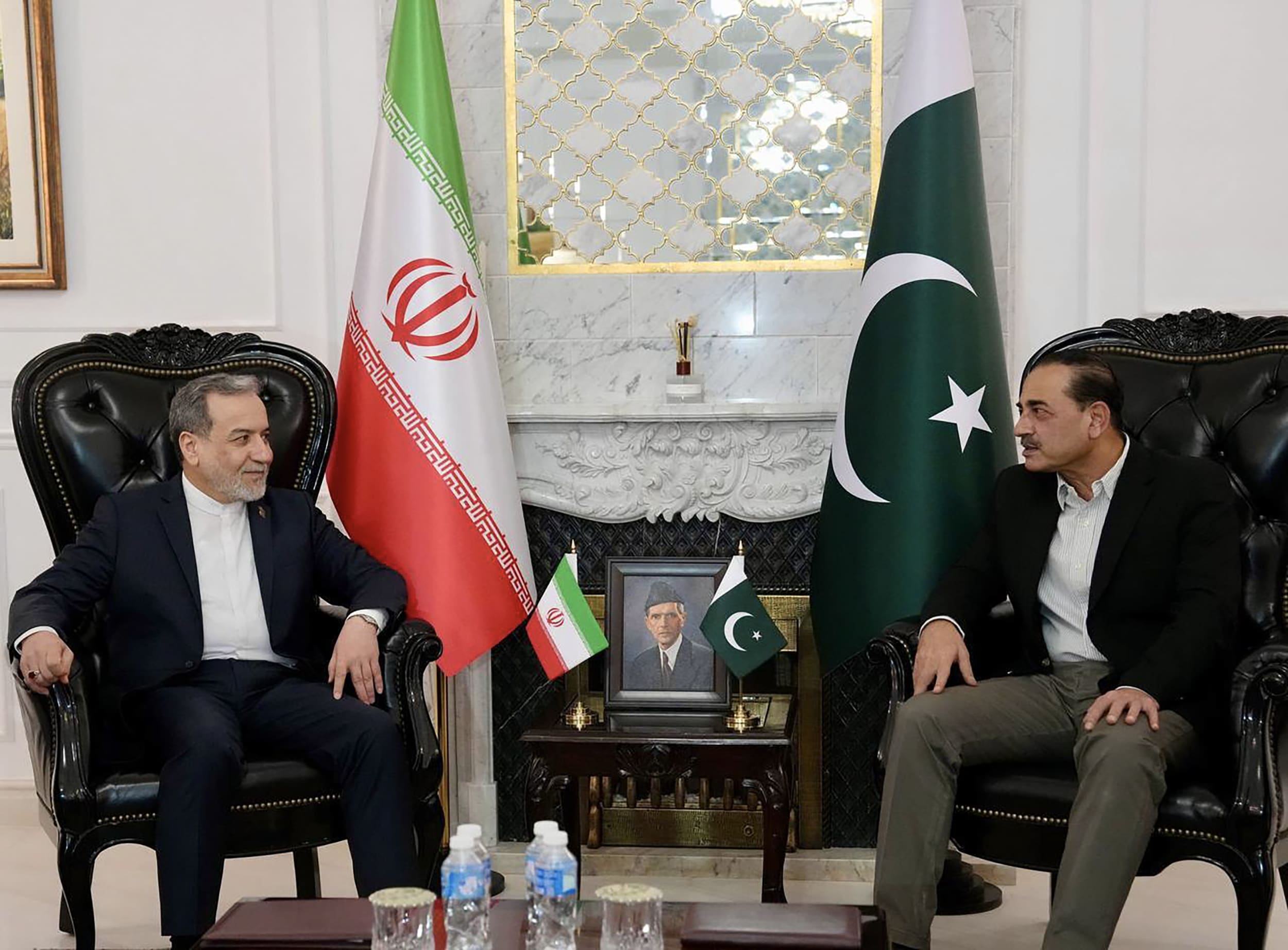
Precision in diplomatic communication serves as the baseline for regional stability and structural trust. Recently, an Iranian media report sparked intense speculation regarding a potential Pakistan cabinet reshuffle after misidentifying a key official in an official capacity. The Tehran Times published images of Iranian Foreign Minister Abbas Araghchi meeting a delegation in Tehran. Consequently, the outlet referred to Pakistan’s Interior Minister, Mohsin Naqvi, as his “counterpart,” suggesting a move to the foreign ministry.
Furthermore, Pakistan has not officially announced any change in the foreign ministry’s leadership. According to current official government records, Senator Ishaq Dar remains the Deputy Prime Minister and Minister for Foreign Affairs. Meanwhile, Naqvi continues to exercise authority as the federal minister for interior and narcotics control, alongside his role as Chairman of the Pakistan Cricket Board.
The Translation: Decoding the Potential Portfolio Shift
In the world of precision governance, the terminology used by the Tehran Times indicates either a calibrated leak or a significant reporting error. If a Pakistan cabinet reshuffle were to occur, analysts suggest a strategic pivot. Specifically, Naqvi could assume the foreign affairs portfolio to manage regional security diplomacy. In contrast, Ishaq Dar might return to a more focused economic role, leveraging his extensive experience as a former finance minister to stabilize the federal budget and IMF engagements.
The Socio-Economic Impact: Systemic Stability
How does a potential cabinet shift change the daily life of a Pakistani citizen? Administrative stability directly influences market confidence and the precision of fiscal policy. For the average professional or business owner, a Pakistan cabinet reshuffle signals the government’s priorities—whether the focus is shifting toward security-heavy diplomacy or economic consolidation. A sudden change in leadership during IMF negotiations could introduce temporary volatility, but a more specialized distribution of labor between Dar and Naqvi could improve long-term system efficiency.

The Forward Path: Momentum Shift or Maintenance?
Ultimately, this development represents a “Stabilization Move” rather than a confirmed momentum shift. While the Iranian report likely reflects a technical error, it highlights the underlying tension between Pakistan’s economic and diplomatic strategies. The Foreign Office continues to identify Ishaq Dar as the primary lead for external affairs. Consequently, any actual Pakistan cabinet reshuffle would require an official notification from Islamabad to become effective. Until then, the system remains in a maintenance phase, awaiting a catalyst for broader structural change.