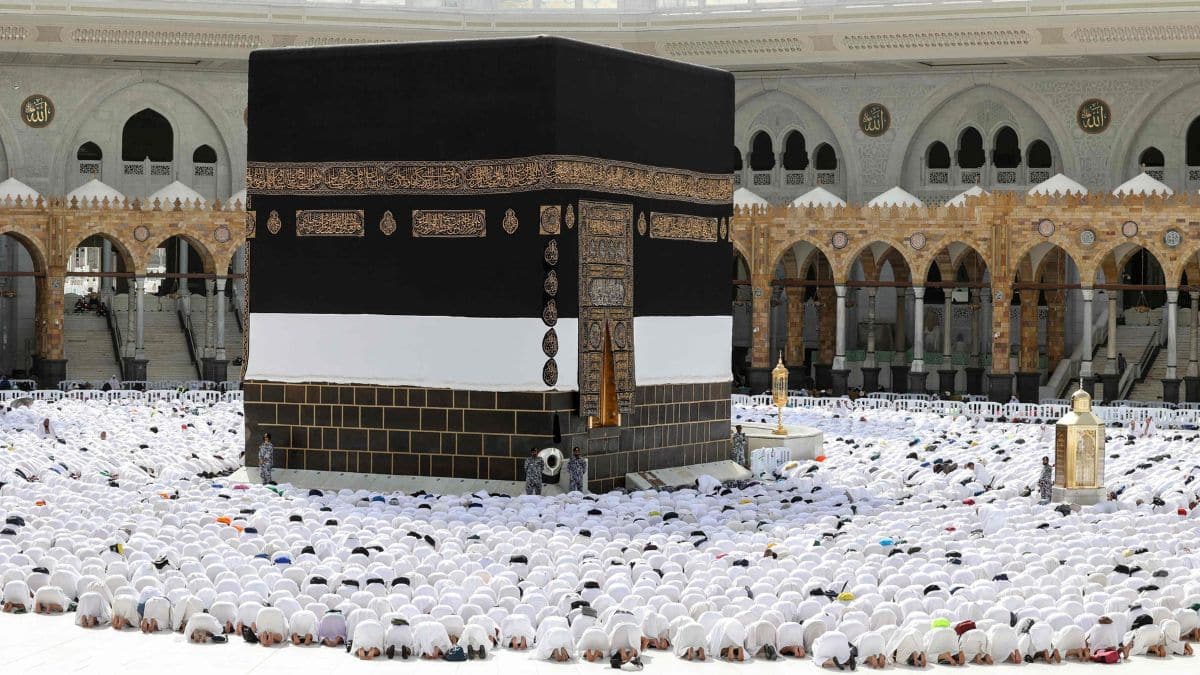
The logistics of spiritual pilgrimage require precision and long-term structural planning. The Ministry of Religious Affairs and Interfaith Harmony has officially calibrated the roadmap for Hajj 2027 registration, which is set to commence on June 22, 2026. This early mobilization serves as a strategic catalyst to streamline the massive migration of citizens to the holy sites and ensures baseline efficiency for all prospective pilgrims.
The Digital Framework for Hajj 2027 Registration
Pakistan is moving toward a digital-first approach to religious logistics. Applicants must execute their registration through the Ministry’s official portal at hajj.mora.gov.pk. The system requires users to establish personal accounts, ensuring that data integrity remains uncompromised from the initial submission phase. The Ministry emphasizes that only registered individuals will eventually qualify for the Hajj 2027 booking phase.
Critical Requirements and Group Dynamics
- Group Formation: The Ministry advises applicants to form groups consisting strictly of family members to maintain structural cohesion during the journey.
- Passport Validity: While you do not need a passport for the initial Hajj 2027 registration, you must possess a valid one by the booking stage. The passport must remain valid until at least November 16, 2027.
- Financials: No registration fee is required at this stage. The government will determine the final Hajj package cost under the upcoming Hajj Policy 2027.
- Global Accessibility: Overseas Pakistanis may also utilize the digital portal to complete their registration.
The Situation Room: Strategic Analysis
The Translation (Clear Context)
This early announcement shifts the Hajj process from a reactive scramble to a proactive management system. By opening Hajj 2027 registration nearly a year before the usual cycle, the Ministry is aligning with Saudi Arabia’s updated logistical precision. This move effectively creates a “pre-verified” pool of pilgrims, reducing the administrative bottleneck during the high-pressure booking season.
The Socio-Economic Impact
For the average Pakistani household, this development provides a vital 12-month window for financial calibration. Hajj costs have historically fluctuated; this timeline allows families in both urban centers and rural districts to stabilize their savings and ensure their documentation—specifically passports—is ready without the extra cost of urgent processing fees. This structural foresight directly benefits the middle class by allowing for better economic forecasting at the domestic level.
The Forward Path (Opinion)
We categorize this move as a Momentum Shift. Moving the Hajj 2027 registration baseline to 2026 demonstrates a commitment to systemic efficiency. It transitions the pilgrimage from an uncertain lottery to a predictable administrative process. If the Ministry maintains this pace of transparency, it will significantly lower the stress levels of thousands of Pakistanis, representing a significant upgrade in national service delivery.
For further assistance, citizens can contact the official helplines at 051-9216980 or 051-9216981 to ensure their application meets all technical specifications.