
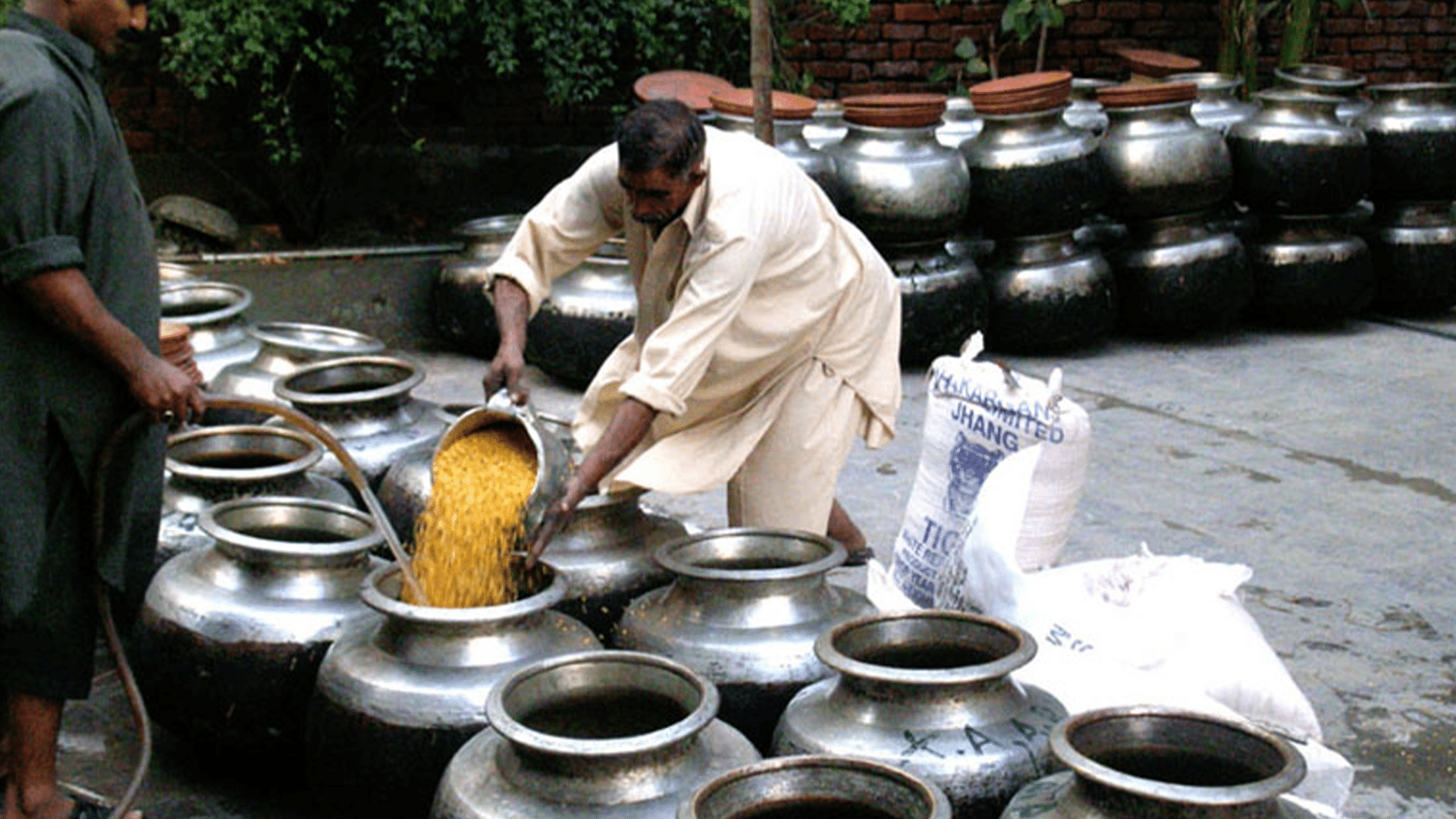
The sacred month of Muharram catalyzes a sophisticated logistical operation across Pakistan, as the sudden spike in Muharram catering demand represents more than just religious observance. It signifies a calibrated injection of liquidity into the micro-economic sectors of food services and traditional craftsmanship. Large-scale congregational gatherings, known as majalis, and the establishment of sabeels (water distribution points) require precise supply chain coordination to serve millions of citizens efficiently.
Analyzing the Catalyst Behind the Muharram Catering Demand
Small-scale caterers and street food vendors have calibrated their operations to meet this seasonal peak. Consequently, the demand for bulk food preparation has forced many service providers to adopt extended operational hours. This surge is not limited to modern food delivery; it extends to traditional sectors that maintain the structural integrity of these cultural practices.
Furthermore, local clay pot makers report a significant uptick in sales. These artisans provide the earthen vessels essential for cooling water at sabeels, proving that traditional methods remains a functional baseline for community service. The intersection of religious hospitality and commercial activity creates a temporary but vital economic corridor for urban and rural vendors alike.
Logistical Agility in Food Distribution
To manage the high-volume requirements of Muharram, caterers are implementing several strategic measures:
- Extended Production Cycles: Kitchens operate 24/7 to ensure timely delivery to various majalis locations.
- Direct Distribution Networks: Vendors establish mobile points near high-traffic congregational areas.
- Hybrid Service Models: Integration of online ordering with traditional on-ground setups to maximize reach.

The Situation Room Analysis
The Translation (Clear Context)
While often viewed purely through a religious lens, the Muharram period functions as a high-intensity seasonal market. The “Sabeel Economy” relies on a complex network of dairy suppliers, grain wholesalers, and manual laborers. The logic is simple: mass-scale hospitality requires immediate, localized production. This demand bypasses traditional slow-moving retail in favor of rapid, “just-in-time” delivery from street vendors and small caterers.
The Socio-Economic Impact
For the average Pakistani citizen, particularly those in the informal labor sector, this period provides essential income stability. Students and part-time workers often find temporary employment in distribution roles. Specifically, the boost to traditional artisans—like clay pot makers—prevents the erosion of heritage skills by providing a consistent annual revenue stream. Households across urban centers benefit from increased accessibility to communal resources, reinforcing social safety nets through shared hospitality.

The “Forward Path” (Opinion)
This development represents a Momentum Shift. The ability of Pakistan’s small and medium enterprises (SMEs) to scale operations overnight to meet Muharram catering demand demonstrates remarkable structural resilience. To optimize this progress, local governments should move toward formalizing these seasonal clusters. Providing better sanitation guidelines and temporary digital payment infrastructure would convert this seasonal spike into a baseline for permanent economic growth in the food services sector.








