
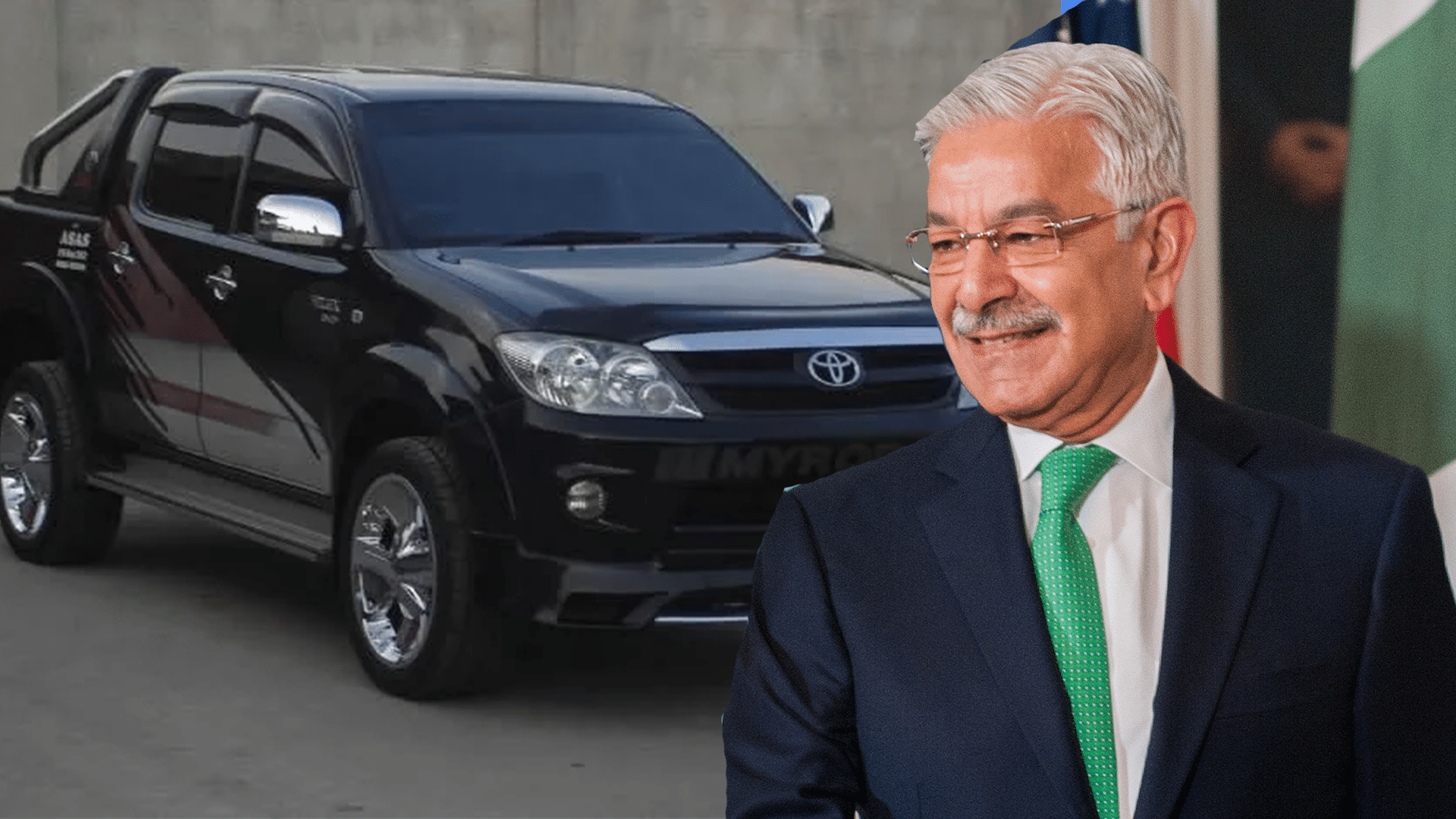
The structural integrity of a nation’s legislative body relies on more than just policy; it demands a calibrated atmosphere of professional discipline. Defense Minister Khawaja Muhammad Asif recently addressed the National Assembly to demand a complete ban on the Vigo Dala culture. He argued that the current presence of security-heavy entourages and informal behaviors undermines the sanctity of the house. Consequently, he called for a baseline shift in how lawmakers conduct themselves within the institutional framework of the state.
Calibrating Institutional Discipline: A Ban on Vigo Dala Culture
During a high-stakes assembly session, the Defense Minister emphasized that parliamentary traditions require strict adherence to established regulations. He noted that any breach of rules inside the Parliament House is fundamentally unacceptable for a maturing democracy. Furthermore, Khawaja Asif proposed that all lawmakers receive a strategic briefing on parliamentary conduct. This initiative aims to ensure that order remains the primary catalyst for legislative efficiency inside the house.
Security risks also featured prominently in the Minister’s address. He observed that the unnecessary movement of visitors, including unauthorized filming in restricted areas, creates a structural vulnerability. To mitigate this, he suggested tighter monitoring protocols. Specifically, the Minister targeted the informal use of heavy security vehicles, labeling the practice as inappropriate for public representatives. He insisted that the Speaker must enforce strict measures to regulate these visibility-driven displays of power.
The Situation Room Analysis
The Translation (Clear Context)
The term “Vigo Dala Culture” refers to the use of high-profile, aggressive security motorcades that have become a symbol of elite intimidation in Pakistan. In a legislative context, Khawaja Asif is advocating for the de-escalation of this “power-projection” mentality. He aims to replace aesthetic dominance with functional decorum. By insisting on these changes, the leadership is attempting to pivot the Parliament from a stage of personal influence to a precise engine of governance.
The Socio-Economic Impact
This development directly impacts the daily perception of the Pakistani citizen. When the Vigo Dala culture is restricted, it signals a reduction in the gap between the ruling class and the public. For the urban professional and the rural student, this shift suggests a move toward a more egalitarian system. Practically, tighter security and controlled movement within the capital improve logistical efficiency and reduce the psychological footprint of institutional intimidation on ordinary households.
The Forward Path (Opinion)
This move represents a significant Momentum Shift toward systemic maturity. While some may view it as a cosmetic change, the underlying logic is strategic. By removing the symbols of the “security state” from the legislative heart of the country, the government is attempting to recalibrate the national identity toward civilian precision and professional accountability. Success will depend on the Speaker’s ability to enforce these protocols without exception.








