

The global race for systemic efficiency has reached a new baseline with the introduction of Arbor. Researchers from Renmin University and Microsoft Research have calibrated a new framework that enables AI coding agents to improve complex engineering systems through cumulative learning. Instead of repeating trial-and-error cycles, this architecture utilizes a persistent tree structure to organize hypotheses and findings. Consequently, the system transforms every failure into a strategic data point for future success.
The Structural Flaw in Autonomous Optimization
Standard AI coding agents often struggle with production-level precision. When a deployed agent encounters a document retrieval error, it may attempt multiple changes simultaneously. Specifically, it might alter document chunking, retrieval methods, and system prompts in one go. However, this lack of isolation prevents teams from identifying which adjustment actually improved the baseline. Furthermore, long-running agents often lose factual evidence once they exceed their context-window limits. Without a durable memory, these systems repeat past mistakes rather than catalyzing progress.
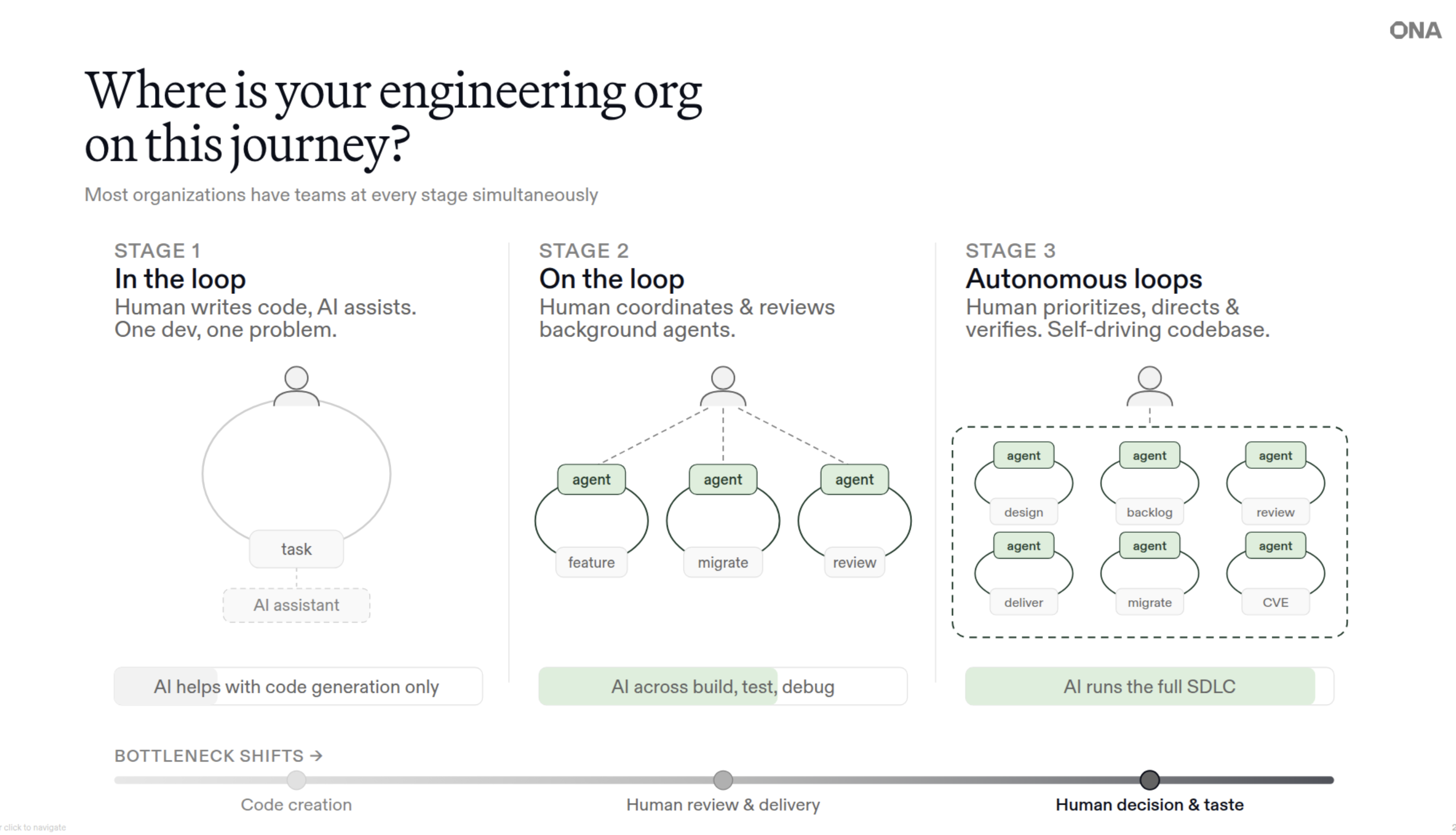
Arbor Architecture: Coordinator and Executors
The Arbor framework solves these bottlenecks by separating research strategy from individual coding tasks. It operates through two distinct layers: a Coordinator and multiple Executors. The Coordinator acts as a principal investigator, monitoring the overall state of research without editing the codebase directly. Conversely, Executors are short-lived agents that implement specific changes within isolated Git worktrees. This precision ensures that every AI coding agents experiment remains independent and measurable.
- Hypothesis Tree Refinement: Represents the research process as a branching, persistent tree.
- Negative Constraints: Records failed experiments to prevent future agents from repeating errors.
- Strict Merge Gates: Requires candidate code to pass held-out evaluators before integration.
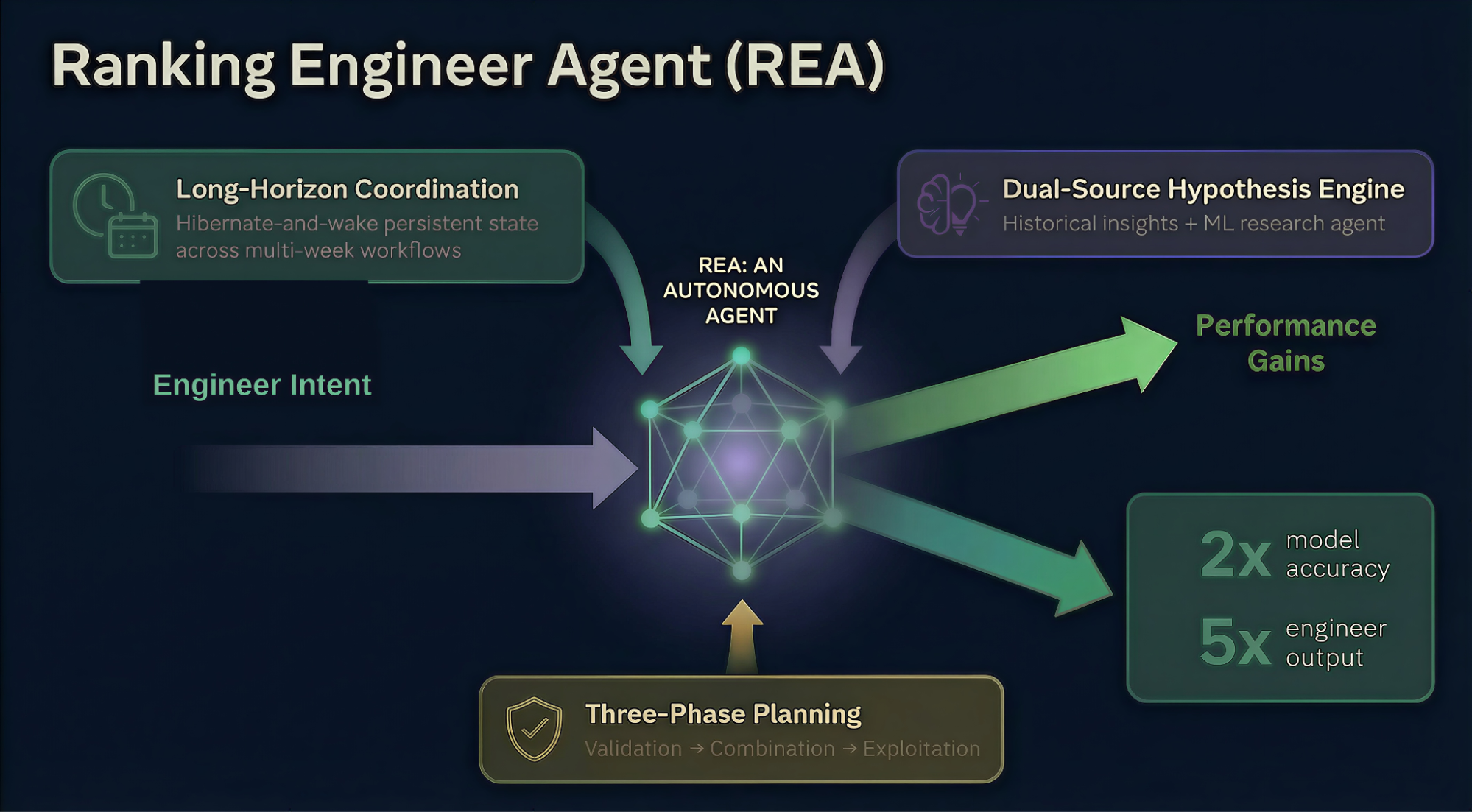
Verifiable Engineering Gains: The 2.5x Benchmark
During rigorous testing, Arbor delivered more than 2.5 times the verifiable performance gains of standard systems. On the BrowseComp benchmark, it increased held-out accuracy from 45.33% to 67.67%. In contrast, traditional models like Codex only reached 50%. Most importantly, Arbor demonstrated superior resistance to reward hacking. While other AI coding agents often overfit to development metrics, Arbor’s improvements transferred effectively to unseen data, achieving a high score of 77.36% on Terminal-Bench 2.0.

The Translation (Clear Context)
In simple terms, Arbor moves AI from “guessing” to “scientific method.” Traditional AI writes code like a student trying every possible answer until one works. Arbor writes code like a senior engineer who keeps a detailed logbook of what failed and why. By using “Hypothesis Tree Refinement,” the system ensures that every change is backed by data. This eliminates the “black box” problem where developers don’t know why an AI-generated system suddenly stopped working or improved.
The Socio-Economic Impact
For the Pakistani tech ecosystem, this development is a catalyst for economic scalability. Small-scale startups in Lahore or Karachi can now leverage AI coding agents to maintain complex data pipelines with fewer human resources. Since Arbor automates the refinement of internal AI assistants, it reduces the cost of digital transformation for local businesses. This allows Pakistani developers to focus on high-level architecture while the AI autonomously optimizes the “engine room” of their software, bridging the global productivity gap.
The Forward Path (Opinion)
This development represents a definitive Momentum Shift. We are moving away from “chatting” with code and toward “architecting” autonomous research cycles. While token costs remain a factor, the precision of a multi-objective Pareto search will eventually replace current single-score optimizations. Arbor is not just a tool; it is the blueprint for the next generation of autonomous engineering, where stability and cumulative learning are the primary drivers of progress.








