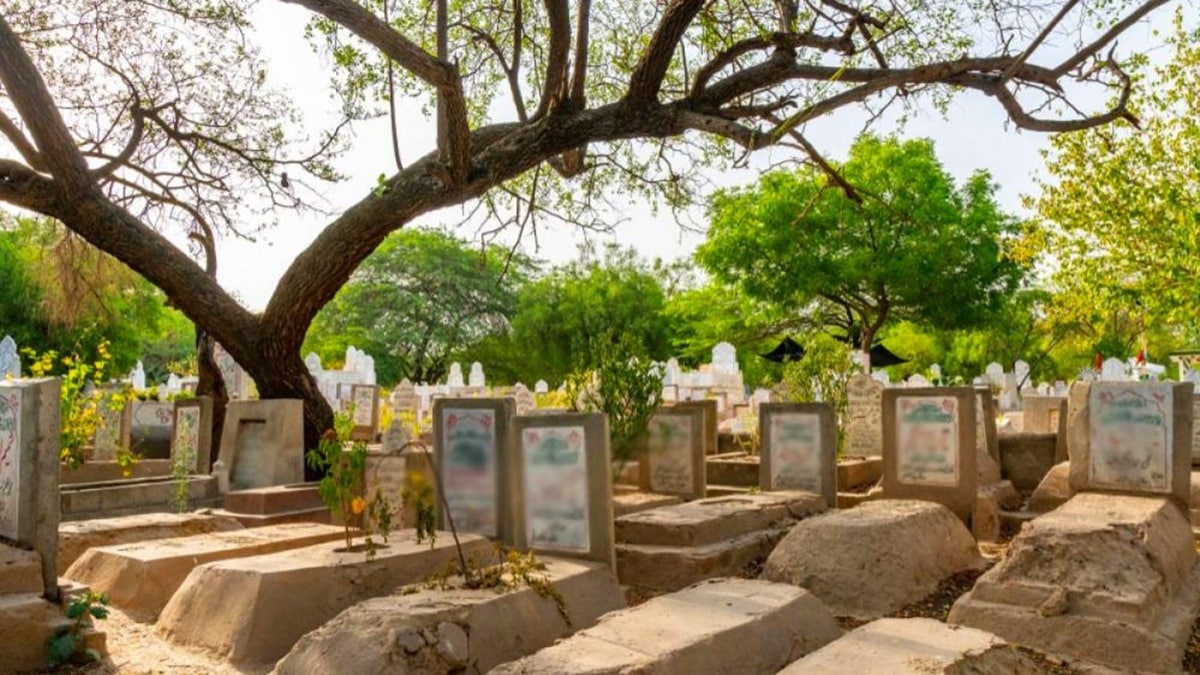
Rawalpindi is calibrating its social safety net through a structural integration of welfare services that address fundamental human dignity. The city recently inaugurated the Syeda Fatima Zahra (RA) Free Burial Service and Charity Food Center near Liaquat Bagh to support underprivileged families. This facility provides a comprehensive package, including free graves, ambulance transport, and burial arrangements. Furthermore, the center incorporates a “Dastarkhwan” to provide meals, ensuring a baseline of support for citizens during their most vulnerable moments.
A Calibrated Approach to Social Welfare
Rawalpindi Commissioner Abdul Aamer Khattak officially opened the center, emphasizing its role in the provincial welfare vision. Key stakeholders, including Pakistan Sweet Home Chairman Zamrud Khan and MNA Tahira Aurangzeb, attended the ceremony to signal a collective commitment to public service. Consequently, the initiative aims to eliminate the financial barriers associated with end-of-life care. Tahira Aurangzeb noted that providing graves and ambulances free of charge is a strategic necessity for low-income households.
The project also addresses the critical issue of urban land management. Commissioner Khattak highlighted that cemetery land in Rawalpindi is shrinking rapidly. To counter this, a special committee under the Assistant Commissioner (City) will now manage land allocation and long-term cemetery solutions. This structural oversight ensures the sustainability of the Free Burial Service model as it scales.
The Situation Room Analysis
The Translation
This initiative represents more than traditional charity; it is a precision-engineered response to the rising costs of urban living and dying. By bundling burial logistics with nutritional support, the state is creating a centralized hub for crisis management. This reduces the logistical friction families face during periods of bereavement, shifting the burden from the individual to a coordinated system.
The Socio-Economic Impact
For the average Pakistani household in Rawalpindi, the cost of a burial can trigger a financial catalyst of debt. This service provides an immediate economic safety valve. By offering 550 graves and feeding up to 800 people daily, the center stabilizes household finances for the most vulnerable. This allows families to redirect limited resources toward health and education rather than emergency funeral expenses.
The Forward Path
We classify this development as a Momentum Shift. The decision to expand this model to other districts indicates a strategic pivot toward standardized welfare infrastructure. While cemetery land scarcity remains a technical challenge, the formation of a dedicated committee suggests a move toward data-driven urban planning rather than ad-hoc solutions.