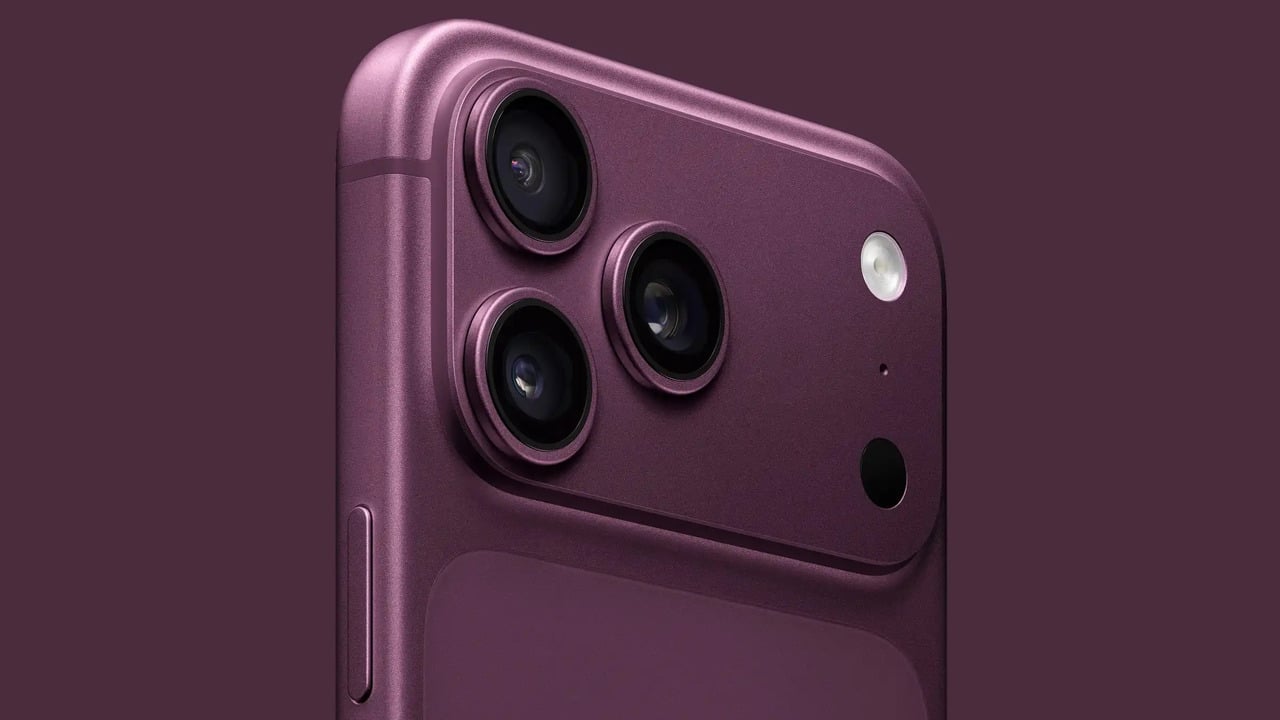
The global technology landscape faces a strategic recalibration as current data suggests a significant iPhone 18 price hike is imminent. Recent manufacturing estimates indicate that the iPhone 18 Pro may enter the market at a baseline of $1,299. Consequently, this represents a sharp increase from the previous generation’s entry point. These structural cost adjustments stem directly from volatility in the global semiconductor supply chain and precision hardware upgrades.
The Structural Drivers of the iPhone 18 Price Hike
Apple CEO Tim Cook recently highlighted that price adjustments have become a functional necessity due to unavoidable external pressures. Specifically, a global memory shortage has accelerated the cost of essential components. According to TechInsights, the 12GB DRAM required for the Pro models has surged from a $39 baseline to an estimated $145. Furthermore, storage hardware costs have tripled, climbing from $13 to approximately $51 per unit.
Calibrating Profit Margins and Component Costs
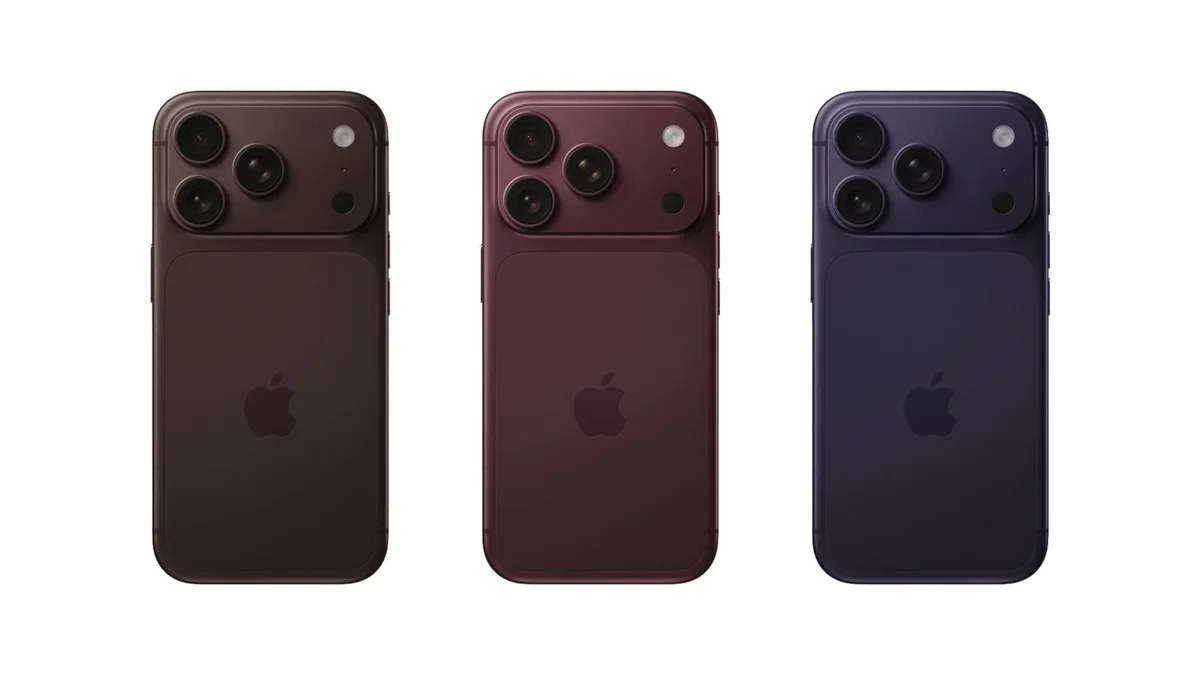
To maintain its historic 47% gross profit margin, Apple would theoretically need to price the iPhone 18 Pro at $1,371. Analysts anticipate the company may strategically absorb some of these costs, likely settling on a $1,299 MSRP. However, the introduction of a sophisticated variable-aperture camera system could act as a secondary catalyst for cost increases. If this hardware innovation is integrated, the baseline price might stabilize at $1,399, pushing the Pro Max variant toward a $1,499 threshold.

The Translation: Contextualizing Technical Shifts
While a $200 price jump seems substantial, the logic lies in the “Silicon Ceiling.” The era of cheap memory has concluded. Apple is no longer just selling a brand; they are passing on the precision costs of 12GB DRAM and advanced optics. The iPhone 18 price hike is a direct reflection of a high-performance hardware baseline that requires more expensive raw materials than any previous generation.
The Socio-Economic Impact: What This Means for Pakistan
In Pakistan, this global pricing shift will have a magnified effect on consumers and professionals. Since Apple lacks a local manufacturing or assembly presence, Pakistani buyers remain tethered to international dollar-denominated pricing. Consequently, the iPhone 18 price hike will be compounded by import duties, shipping logistics, and PTA taxes. This creates a high barrier to entry for digital creators and STEM professionals who rely on cutting-edge hardware for development and production efficiency.
The Forward Path: Momentum or Stabilization?
This development represents a Stabilization Move for Apple’s financial health, but a potential Momentum Shift for the secondary market. As the cost of new flagship hardware reaches record levels, we anticipate a surge in the certified pre-owned market and a longer upgrade cycle for the average Pakistani user. Precision-driven consumers should view this as a signal to prioritize utility over frequent hardware rotations.