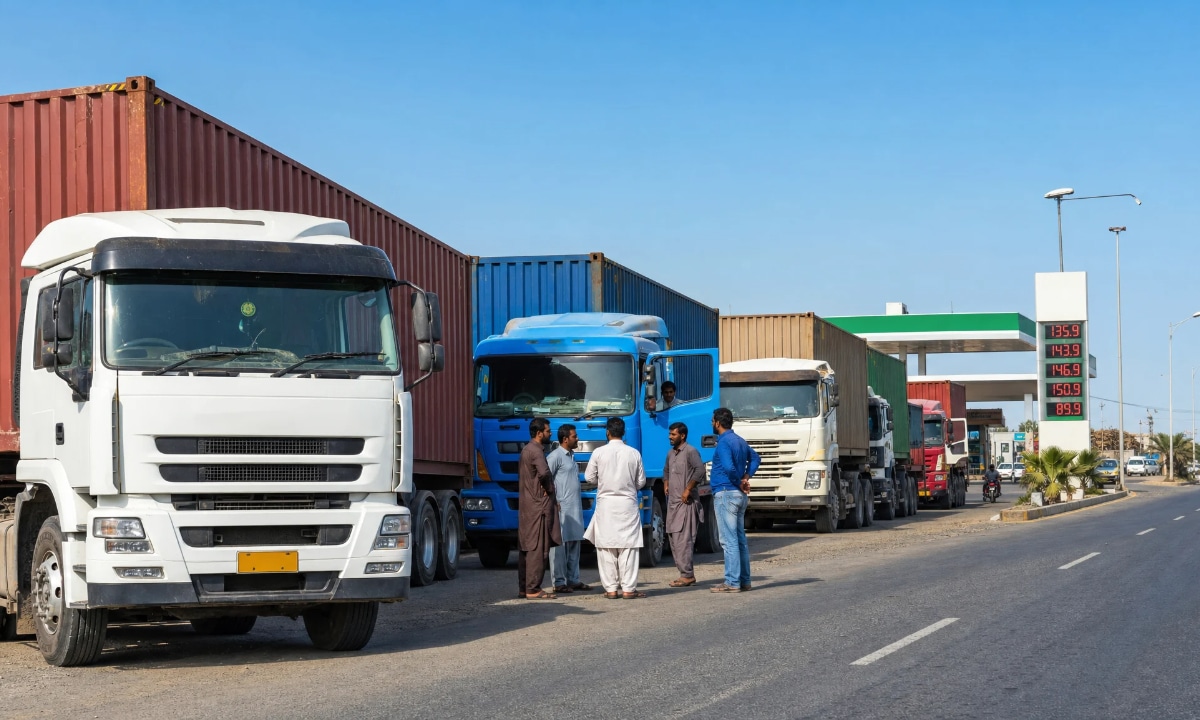
The Pakistan Goods Transport Alliance (PGTA) has announced a strategic 15% transport fare reduction across the country. This calibrated decision follows the government’s recent reduction in petroleum prices, effectively lowering the operational baseline for the logistics sector. PGTA President Malik Shehzad Awan confirmed that the association intends to pass these systemic savings directly to businesses and consumers.
The Translation: Structural Efficiency in Logistics
In technical terms, the transport fare reduction reflects a direct correlation between energy inputs and logistical outputs. When the state reduces fuel prices, the primary variable cost for transport operators drops significantly. Consequently, the PGTA has adjusted their fare structures to maintain equilibrium in the supply chain. Furthermore, this move aims to mitigate the rising operational costs that have previously constrained the movement of goods nationwide.
The Socio-Economic Impact: Relief for the Pakistani Household
This development serves as a vital catalyst for economic stabilization. Lowering freight charges directly influences the pricing of essential commodities, including food and raw materials. For the average Pakistani citizen, this shift translates into improved purchasing power and a reduction in inflationary pressure. Additionally, traders and small business owners can now manage their inventory with higher precision, fostering a more robust market environment in both urban and rural areas.
The “Forward Path”: A Momentum Shift for National Progress
We categorize this development as a significant Momentum Shift. While the 15% reduction provides immediate relief, the PGTA correctly points toward remaining structural hurdles. Specifically, the call for reduced withholding taxes and more transparent e-challan penalties highlights the need for further system optimization. For Pakistan to achieve long-term logistical excellence, the government must now respond by addressing these ancillary costs to stabilize the sector’s growth trajectory.