
The Architectural Shift in Punjab’s Air Quality Management
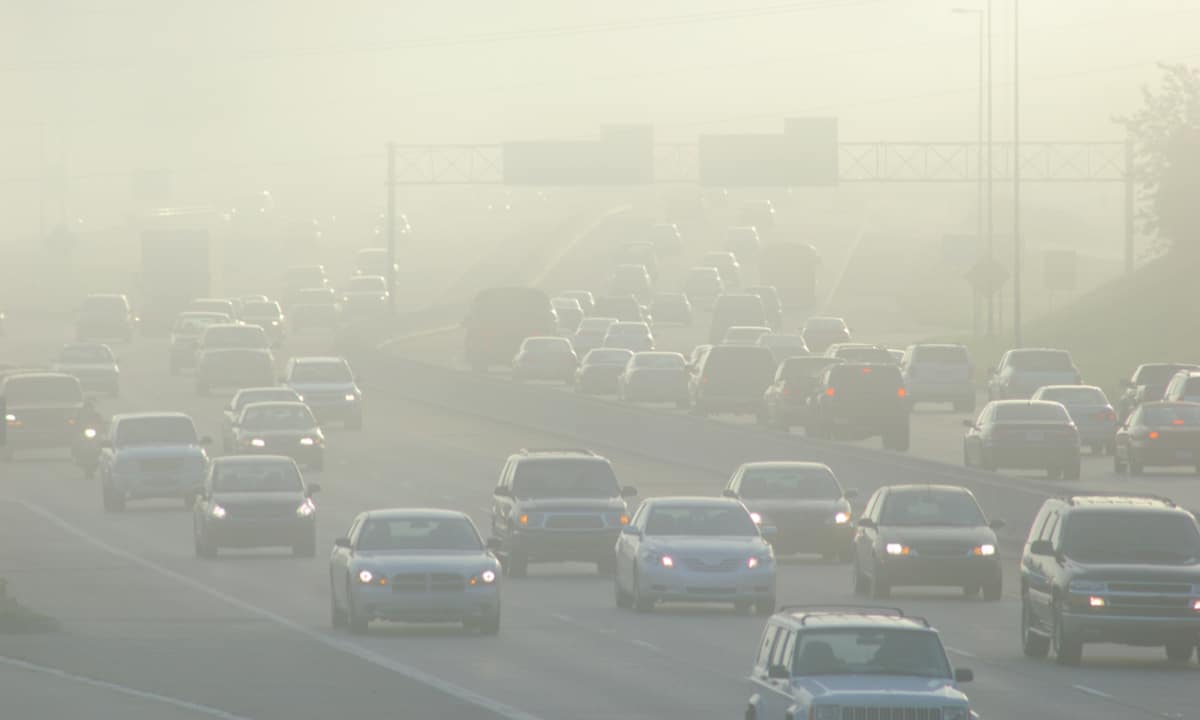
Punjab is transitioning from reactive measures to calibrated technological interventions. The provincial government recently approved the deployment of OxyGenix Tree technology, a bio-artificial system designed to neutralize smog and air pollution across high-density urban zones. This strategic move signifies a structural pivot toward science-driven environmental sustainability, prioritizing public health through precision engineering.
Bio-Artificial Systems: Merging Biotechnology with AI
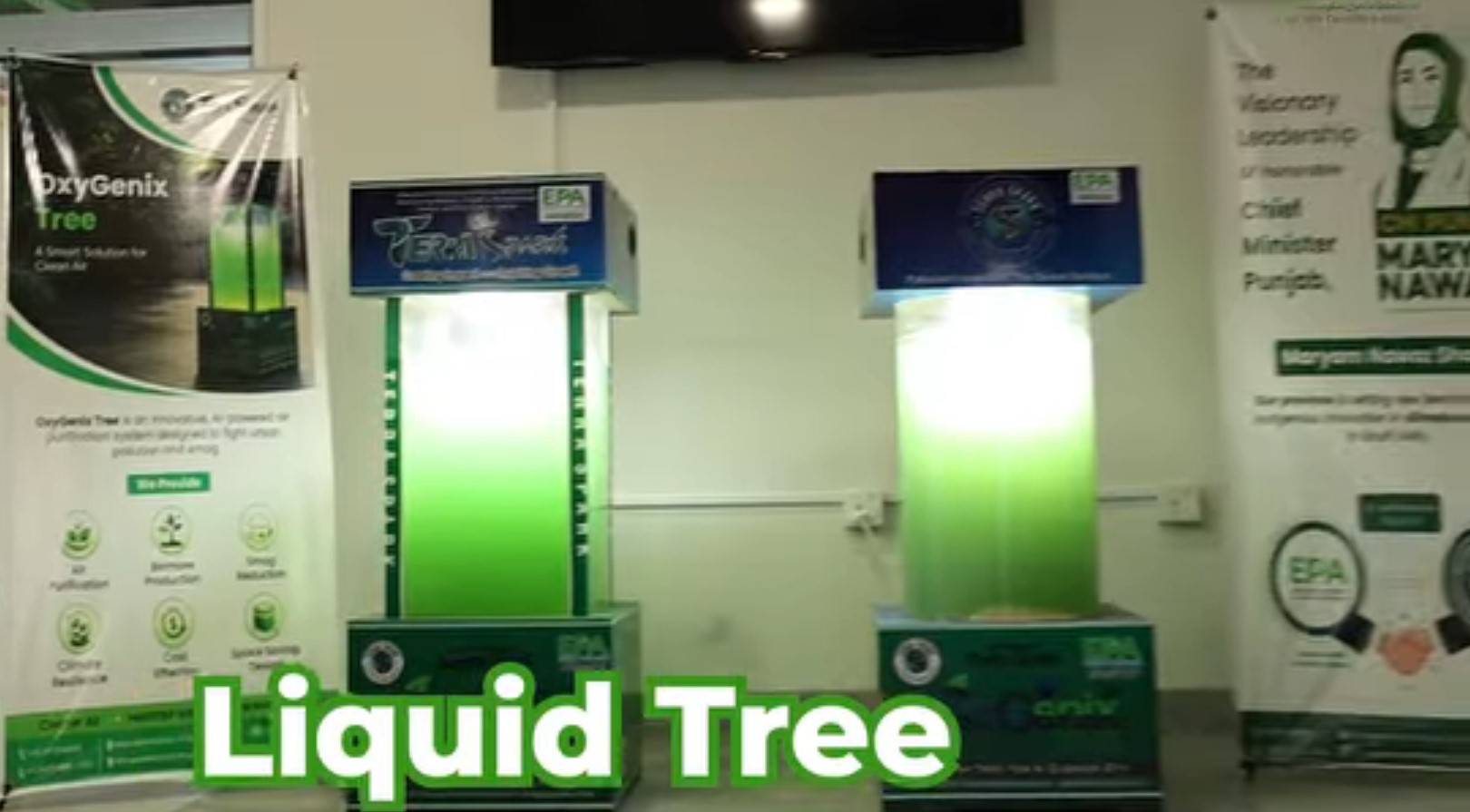
The OxyGenix Tree, developed by Terra Spark (Pvt) Ltd, represents a paradigm shift in urban air purification. This system utilizes microalgae-based biological processes to sequester carbon dioxide and filter hazardous airborne particulates. Simultaneously, the platform integrates Artificial Intelligence to provide real-time monitoring of the Air Quality Index (AQI). Furthermore, this OxyGenix Tree technology transmits live environmental data directly to regulatory monitoring cells, ensuring that authorities can execute data-backed interventions in critical zones.

Following a successful pilot phase in Faisalabad, the Punjab Environmental Protection Agency (EPA) granted the technology a Green Technology certification. Consequently, the government is initiating the first phase of expansion in Lahore. These units require significantly less spatial footprint than conventional flora, making them ideal for installation in shopping malls, public plazas, and congested urban intersections.
The Situation Room: Strategic Analysis
The Translation (Clear Context)
While traditional trees remain the gold standard for long-term ecology, urban centers often lack the space for massive reforestation. The OxyGenix Tree acts as a “liquid forest” in a compact shell. It uses microalgae—which are exponentially more efficient at photosynthesis than land plants—to process CO2. Essentially, the OxyGenix Tree technology functions as a high-performance biological air scrubber that fits in a parking spot.
The Socio-Economic Impact
For the average Pakistani citizen, this technology offers immediate localized relief. Urban residents in cities like Lahore and Faisalabad will experience cleaner breathing zones in high-traffic areas. Reduced smog levels directly correlate with lower healthcare expenditures and improved productivity. Furthermore, integrating these units into town-planning bylaws ensures that future commercial developments maintain a baseline of environmental compliance, protecting the health of the workforce and households alike.
The “Forward Path” (Opinion)
This development represents a Momentum Shift. By certifying and deploying OxyGenix Trees, the Punjab government is moving beyond “smog holidays” and toward an architectural solution. However, for this to be a permanent catalyst for change, it must supplement, not replace, traditional green cover expansion. The precision of AI-enabled monitoring is the real game-changer here, as it turns invisible pollution into actionable data.
- Technology: Microalgae-AI Hybrid.
- Primary Function: Carbon sequestration and oxygen enrichment.
- Urban Utility: High-density deployment with minimal space requirements.
- Governance: Integration into future housing and commercial bylaws.








