
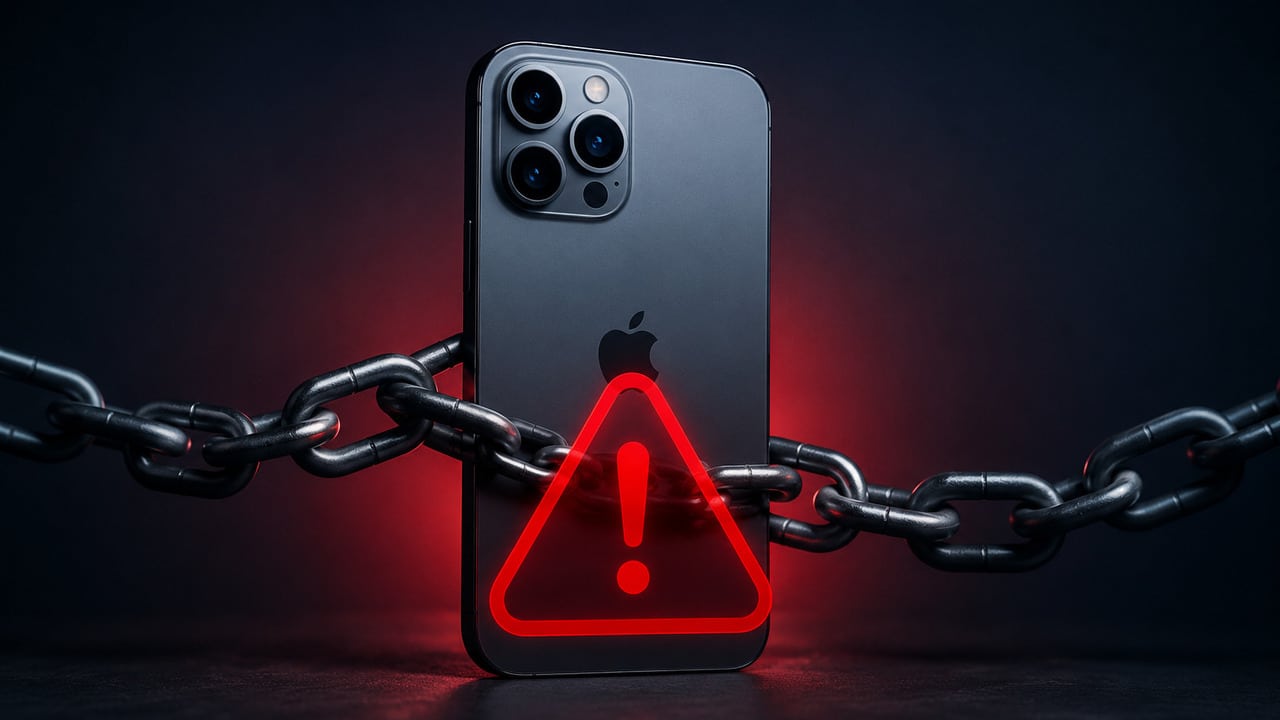
Digital security requires calibrated precision to maintain the integrity of our personal data. Recently, researchers at Paradigm Shift identified a critical iPhone security flaw known as “usbliter8.” This vulnerability targets the hardware baseline of specific Apple silicon chips, rendering it impossible to patch through standard software updates. Consequently, millions of users must now evaluate their device security architecture to ensure long-term data safety.
The Translation: Decoding the USBLiter8 Vulnerability
Technical experts define “usbliter8” as a hardware-level exploit involving the USB controller and firmware configuration. Specifically, when a device enters Device Firmware Update (DFU) mode, it becomes susceptible to specially crafted data. This data confuses the USB controller, forcing it to write information to unauthorized memory sectors. Furthermore, this breach allows custom code to execute before the iOS operating system even begins its boot sequence.
However, users should note a critical distinction in this technical breach. The iPhone security flaw does not compromise the Secure Enclave. This dedicated component remains a secure vault for encrypted passcodes and sensitive biometric data. Additionally, an attacker must possess physical access to the device to initiate the exploit, limiting the risk of remote mass-scale attacks.
Assessing the iPhone Security Flaw: Affected Hardware
The vulnerability stems from the structural design of the A12, A13, S4, and S5 chips. This broad spectrum of affected hardware includes the following devices:
- Smartphones: iPhone XR, iPhone XS, iPhone XS Max, iPhone 11, iPhone 11 Pro, iPhone 11 Pro Max, and iPhone SE.
- Tablets: iPad Air 3, iPad mini 5, iPad 8, and iPad 9.
- Wearables and Others: Apple Watch Series 4, Series 5, Apple Watch SE, and Studio Display.
Interestingly, the older A11 chip does not share this specific hardware bug. For owners of affected models, the only permanent resolution is a strategic upgrade to newer silicon generations that have corrected these structural configurations.
The Socio-Economic Impact: Why This Matters for Pakistan
In Pakistan, the smartphone acts as a primary catalyst for economic participation and digital banking. A permanent hardware-level iPhone security flaw creates a systemic risk for professionals and students who rely on these devices for high-stakes transactions. Since device upgrade cycles in Pakistan are often longer than in global markets, many citizens continue to use these vulnerable models for years. Consequently, this flaw necessitates a heightened awareness of physical device security in both urban and rural environments.
The Forward Path: A Strategic Stabilization Move
From a STEM perspective, this development represents a Stabilization Move. While the flaw is unpatchable, the physical access requirement acts as a natural barrier to widespread exploitation. We recommend that high-risk users—such as those in finance or legal sectors—transition to devices with A14 silicon or newer. Maintaining a secure digital frontier requires us to recognize when hardware baselines have reached their professional expiration. Security is not merely a software layer; it is a structural commitment.








