
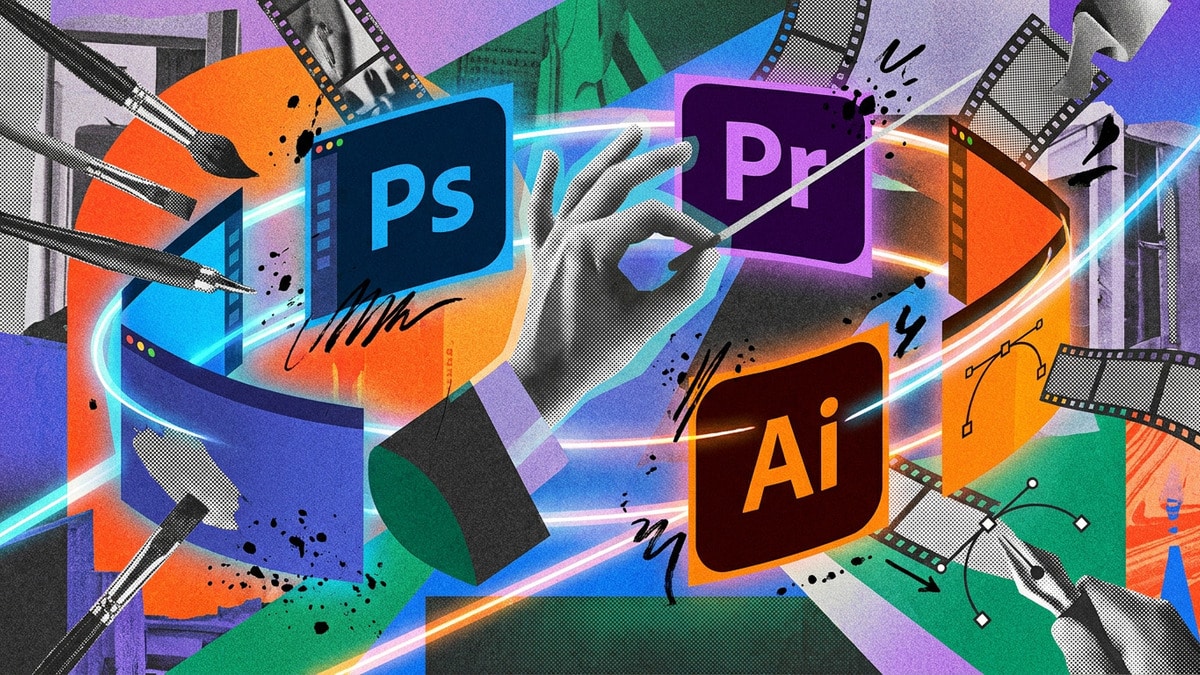
The digital landscape is undergoing a structural shift as Adobe introduces the Adobe AI Assistant. This calibrated tool integrates directly into Photoshop, Premiere, and other Creative Cloud applications to automate repetitive, multi-step production tasks. Consequently, creators can now focus on high-level conceptualization rather than manual labor.
This creative agent serves as a connecting layer between ideation and final production. Users simply describe their desired result, and the system handles the heavy lifting. Currently, Adobe is deploying this agent across its Firefly platform and third-party services like ChatGPT and Claude.
Calibrated Precision in Premiere and Photoshop
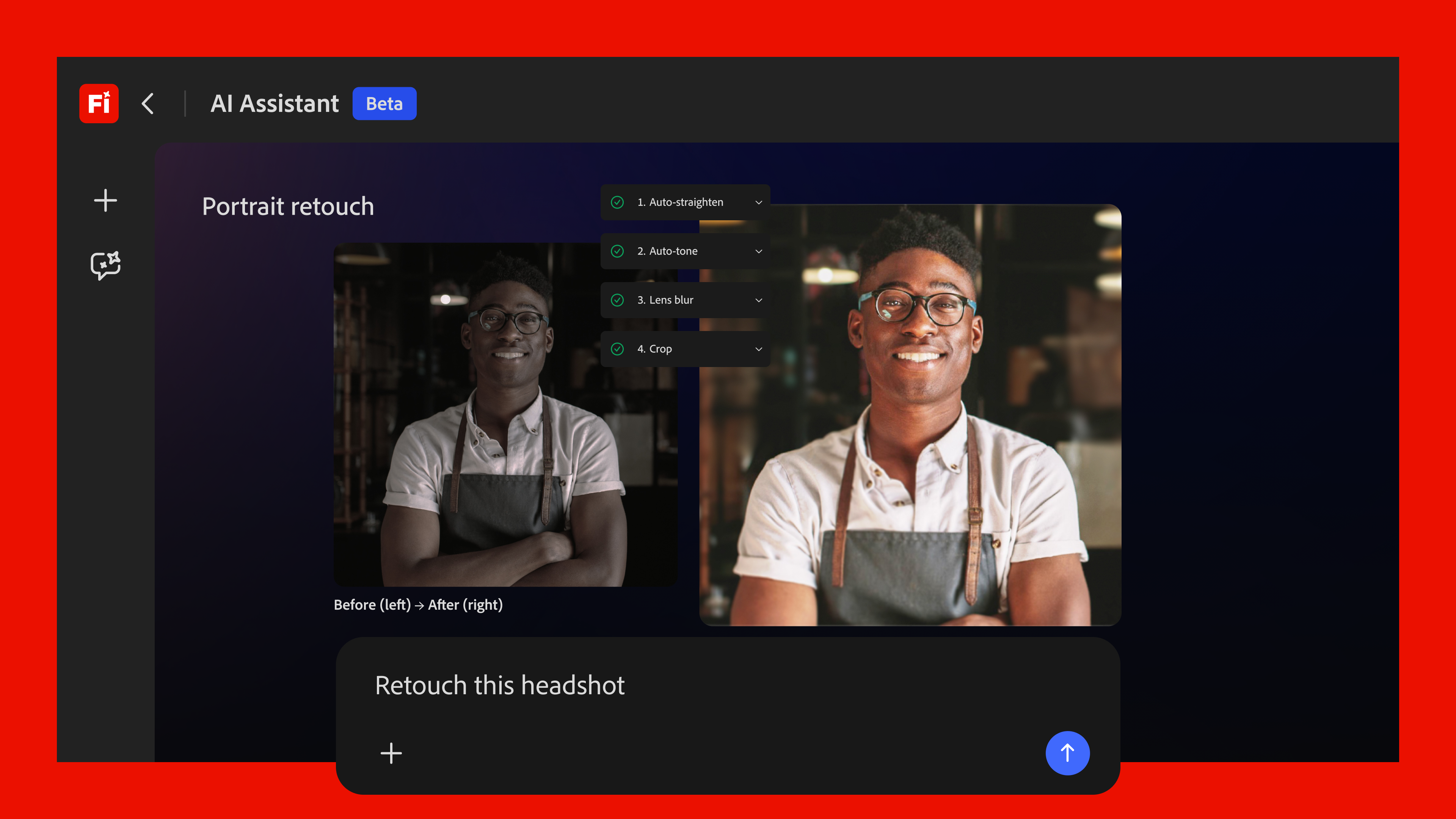
In the realm of video editing, the Adobe AI Assistant transforms Premiere Pro into a more efficient engine. It automatically sorts footage into bins, identifies interview questions, and assembles rough cuts. For Photoshop users, the assistant replaces backgrounds and organizes complex layer structures with surgical precision.
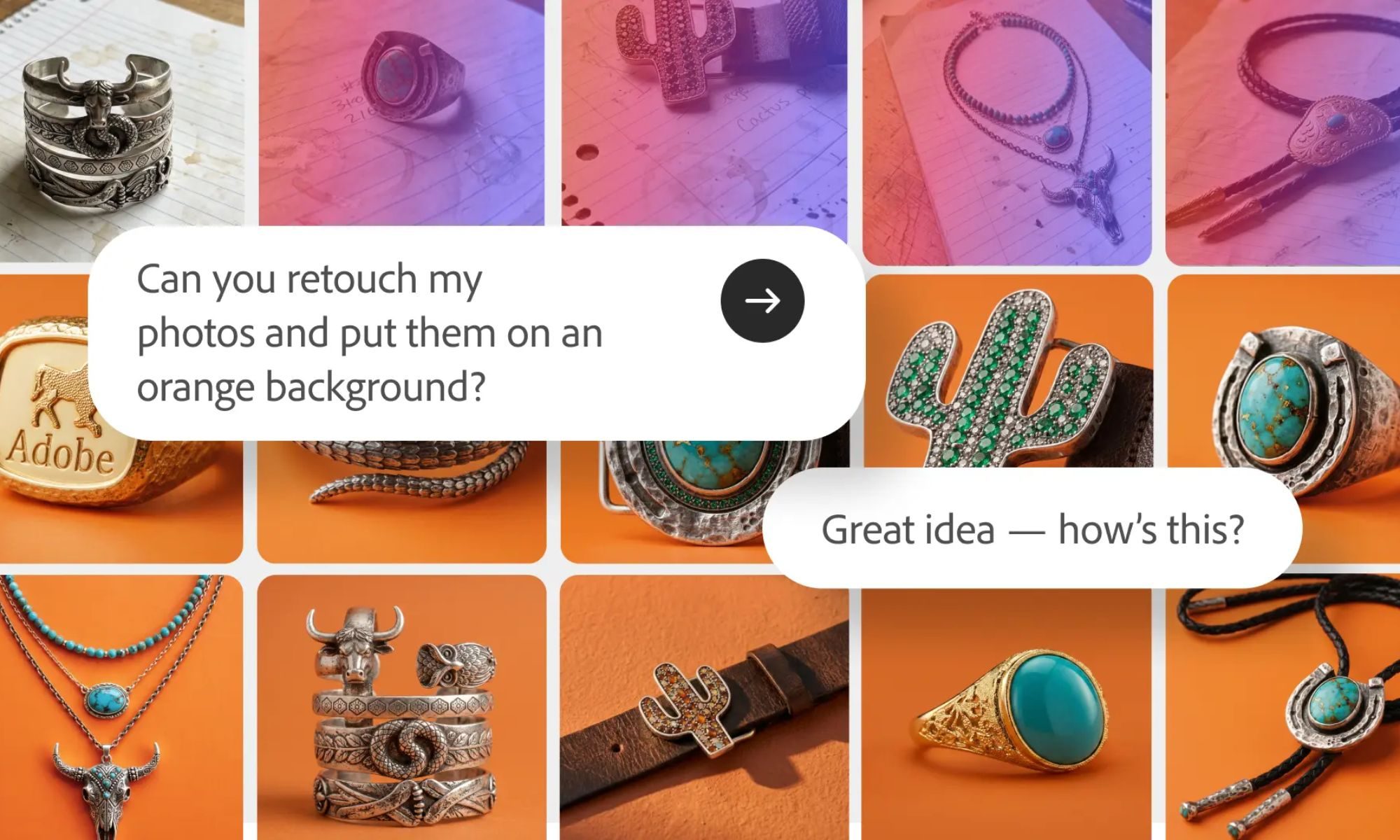
These tools prioritize production efficiency over creative interference. By automating the resizing of content for different platforms, the assistant ensures a consistent brand presence across the digital frontier.
Scaling Output in Illustrator and InDesign
Architecting brand identities at scale is now a reality. Illustrator’s assistant can generate 50 versions of a single file using data from a spreadsheet. Furthermore, it performs preflight checks to detect incorrect color modes and missing fonts before they reach the printer.
InDesign users benefit from automated layout updates. The Adobe AI Assistant reads brand PDFs to apply new styles and text requirements across entire documents instantly. This reduces the margin for human error in high-stakes publishing environments.
Dynamic Enhancements in Firefly and Beyond
Adobe is also upgrading its Firefly AI Assistant to support independent business owners. A new brand kit feature generates logos and color schemes from simple text descriptions. Additionally, the Quick Cut tool automatically edits raw clips into a coherent initial assembly.
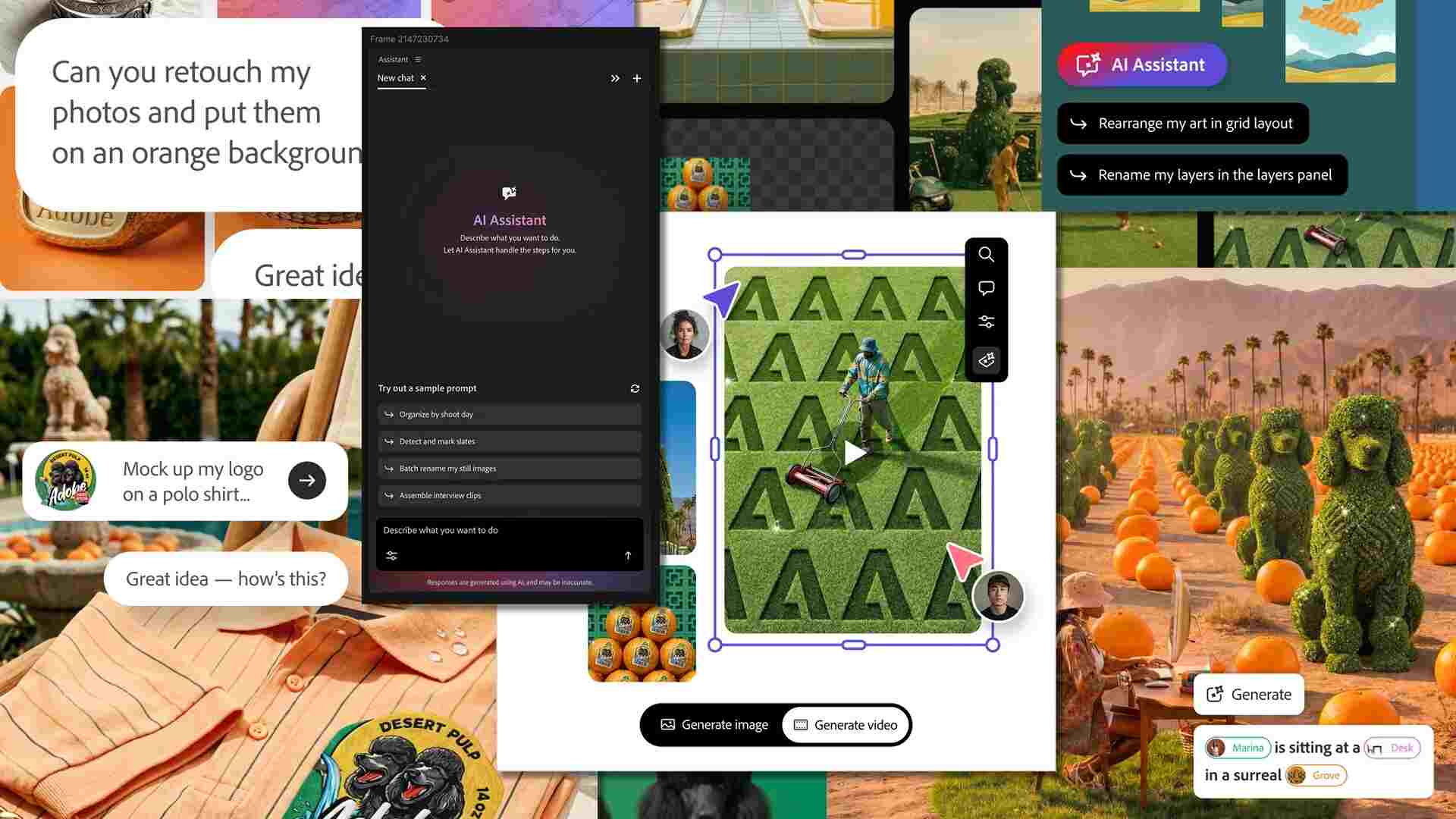
The system now supports collaborative review processes and learns workflow preferences over time. This adaptability ensures that the tool becomes more synchronized with the user’s specific creative habits.
The Situation Room
The Translation
The “Creative Agent” is not just another filter; it is an “agentic” AI. Unlike standard generative AI that creates images from scratch, these assistants act as digital project managers. They understand the internal architecture of software like Photoshop, allowing them to manipulate layers, files, and timelines just as a human operator would.
The Socio-Economic Impact
For the growing freelance economy in Pakistan, time is the primary currency. This development allows a single Pakistani editor or designer to handle three times the current workload by offloading “grunt work” to the AI. This increases the global competitiveness of our local talent, enabling them to deliver high-tier agency results at a fraction of the traditional turnaround time.
The Forward Path
This represents a significant Momentum Shift. Adobe is moving away from “AI as a toy” toward “AI as a tool.” By integrating with platforms like Microsoft 365 and Slack, Adobe is ensuring that the creative workflow is no longer an isolated silo. We expect this to stabilize the digital production market by setting a higher baseline for speed and technical accuracy.








