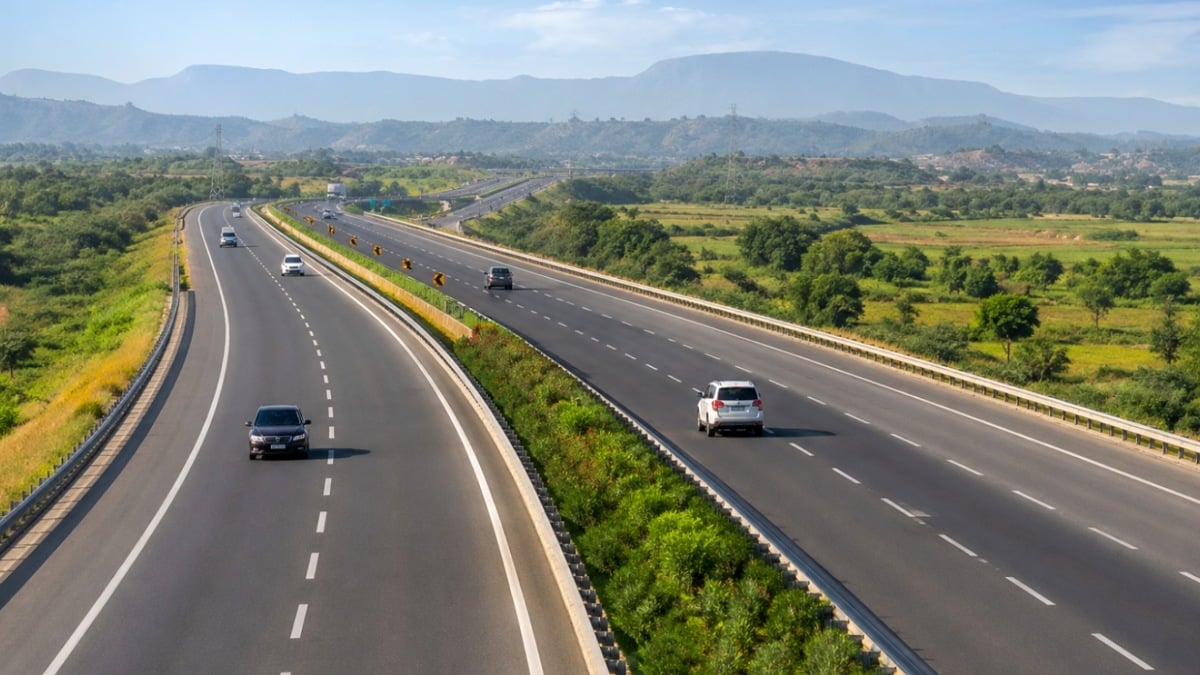
National stability requires a calibrated approach to infrastructure safety. Consequently, the All Pakistan Bus Owners Public Transport Association has identified a critical gap in our transit network. They are advocating for the rapid deployment of comprehensive Highway Emergency Services at precise 30-40 kilometer intervals. This strategic move aims to transform our national highways from high-risk corridors into secure, precision-managed transit systems.
Why Highway Emergency Services are Crucial for Transit Stability
Rana Muhammad Asghar, President of the association, recently chaired a high-level meeting to discuss road safety protocols. He emphasized that the government must establish service areas equipped with ambulances and fire brigades. Furthermore, these facilities act as a catalyst for saving lives by ensuring a prompt response to vehicle fires and accidents. Specifically, the immediate access to Highway Emergency Services could significantly reduce property damage and casualties caused by vehicle-mounted cylinder explosions.
Mitigating High-Risk Variables on the Road
Beyond physical infrastructure, the association is addressing the human element of transit. Asghar urged transporters to ensure drivers receive adequate rest before starting long-distance routes. Fatigue remains a primary cause of accidents, particularly on routes leading to northern areas. Therefore, combining rested personnel with accessible Highway Emergency Services creates a robust safety baseline. This initiative will enable passengers to travel with increased confidence and security across the country.

The Situation Room Analysis
The Translation
Transporters are calling for a “safety baseline.” This means replacing the current reactive chaos with a structured, decentralized grid of localized response units. By standardizing the distance between emergency points, we create a predictable safety net for every vehicle on the road.
The Socio-Economic Impact
For the average Pakistani citizen, this development increases daily transit reliability. Students, professionals, and families can travel long distances knowing that help is never more than 20 minutes away. This reduces the economic burden of vehicle loss and, more importantly, protects the human capital driving our economy.
The Forward Path
This development represents a Momentum Shift. It signals a transition from merely building roads to managing a sophisticated, service-oriented transport ecosystem. Implementing these services is a precision move that aligns Pakistan with international road safety standards.