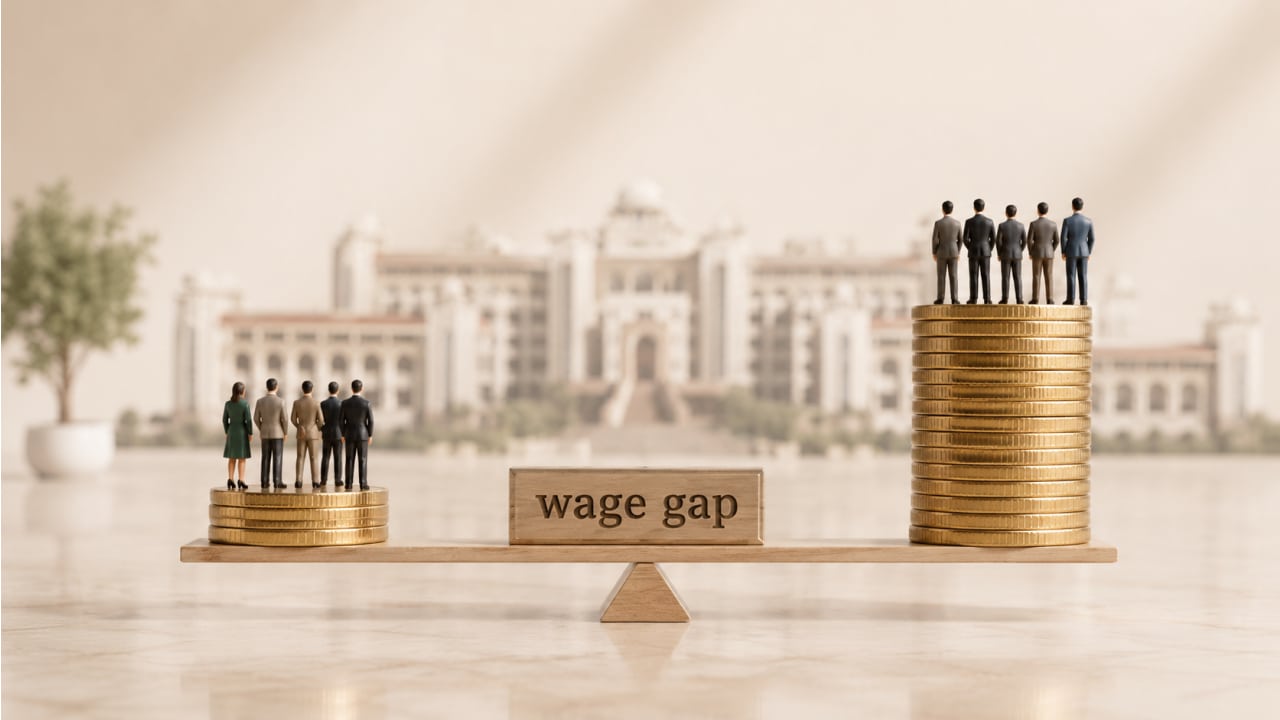
The current Federal Salary Disparity reveals a systemic imbalance where employees in over 50 elite institutions earn triple the compensation of their peers in regular ministries. This structural anomaly stems from additional allowances exceeding 100% of basic salaries, creating a fragmented workforce. Consequently, officials in the Presidency, PM Office, and superior courts enjoy significantly higher financial stability than those in standard civil service roles.
Architectural Flaws in the Compensation Matrix
According to verified sources, the beneficiaries include the National Accountability Bureau (NAB), tax authorities, and various special tribunals. Government leadership traditionally calibrated these allowances to retain high-tier technical talent and reward performance. However, these localized incentives have inadvertently catalyzed a “government within a government” dynamic, where the same grade no longer implies equal pay.

The Translation: Decoding the Allowance Matrix
Technically, a Grade 17 officer should receive a baseline salary consistent across the board. In practice, the system uses special allowances as a bypass mechanism. This means that while the grade remains identical, the actual take-home pay fluctuates based on the institutional logo on the paycheck. Effectively, the government has created a premium tier of bureaucracy that operates on a different economic plane than the Federal Secretariat.
The Socio-Economic Impact: Federal Salary Disparity
This Federal Salary Disparity directly impacts the morale and efficiency of the broader public sector. For the average Pakistani citizen, this results in a “brain drain” from essential but lower-paying departments like education and health toward elite administrative hubs. Furthermore, the increased fiscal burden on the national exchequer to fund these perks often leads to reduced funding for public infrastructure and social welfare programs.
- Systemic Inequity: Personnel in standard ministries face lower purchasing power despite equal qualifications.
- Operational Fragmentation: Elite institutions operate with higher resource density, creating silos of efficiency.
- Fiscal Pressure: Specialized allowances strain the national budget without a uniform performance metric.
The Forward Path: Stabilization or Momentum Shift?
We view this development as a Stabilization Move that has reached its structural limit and now requires a precision overhaul. To ensure long-term system efficiency, Pakistan must transition toward a unified, performance-based pay scale. While retaining talent is crucial, the current lack of transparency undermines the principle of equity. A calibrated realignment of the Disparity Reduction Allowance is the next logical step for national advancement.