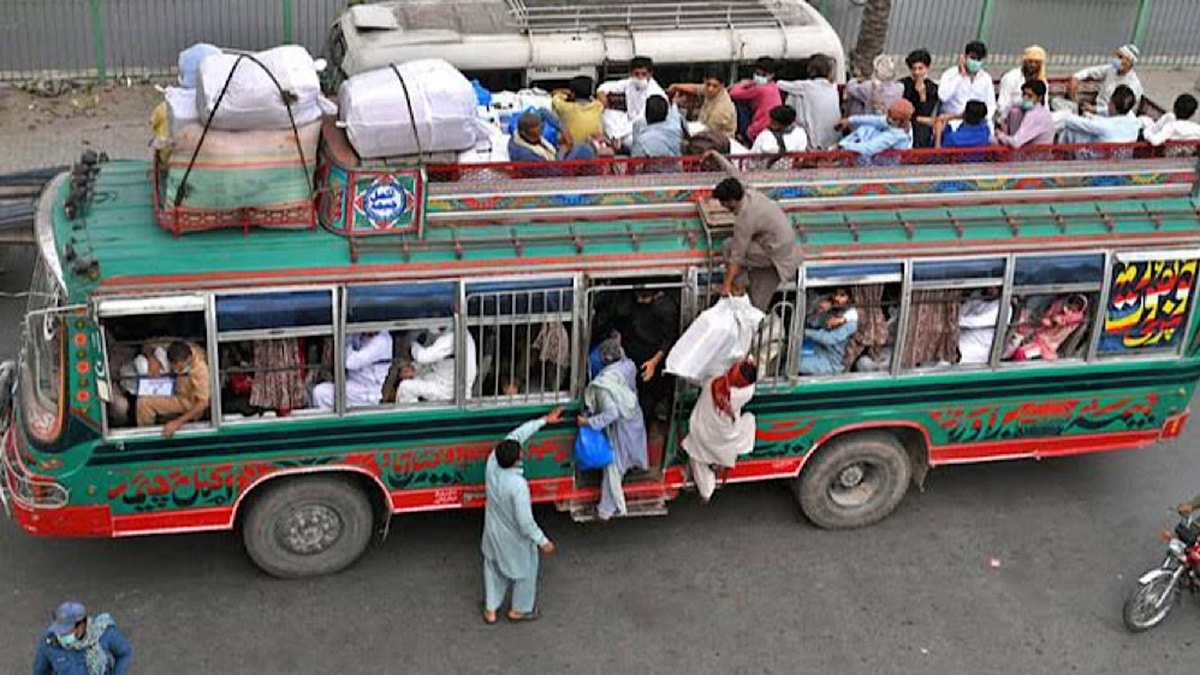
The Karachi transport strike has entered a critical extension phase after negotiations between the Sindh government and transport associations failed to reach a resolution. This systemic breakdown stems from a dispute over the recently implemented electronic traffic challan system. Consequently, this gridlock has effectively halted the movement of thousands of commuters across Pakistan’s primary economic hub, creating a significant disruption in urban efficiency.
The Friction of Digital Enforcement
The Karachi Transport Alliance, led by President Haji Tawab Khan, maintains this wheel-jam strike as a catalyst for policy reform. Transporters argue that the current financial penalties within the e-challan mechanism lack precision and often exceed the daily baseline earnings of operators. Furthermore, the suspension of minibuses, coaches, and buses continues to paralyze the industrial corridor, as the government refuses to calibrate the fine structures.

The Translation (Clear Context)
This conflict represents a friction point between legacy transport operations and modern digital governance. The Sindh government’s e-challan system aims for automated enforcement and transparency; however, transporters view the high-stakes fines as a structural threat to their economic survival. Essentially, the logic of efficient revenue collection is clashing with the operational reality of low-margin transport services.
The Socio-Economic Impact
The Karachi transport strike disproportionately affects the city’s most vulnerable workforce. Specifically, students and industrial laborers face severe mobility constraints, leading to a measurable loss in national productivity. When the transport architecture of a mega-city fails, the economic pulse of the entire country slows down, impacting household stability and increasing the cost of daily commuting through alternative, unregulated means.
The Forward Path (Opinion)
This development represents a Stabilization Move that is currently misaligned. While digitizing traffic enforcement is a necessary milestone for a smarter Pakistan, the government must adopt a more calibrated approach. A successful resolution requires a strategic compromise that balances strict enforcement with the economic realities of the transport sector to prevent recurring structural paralysis.