
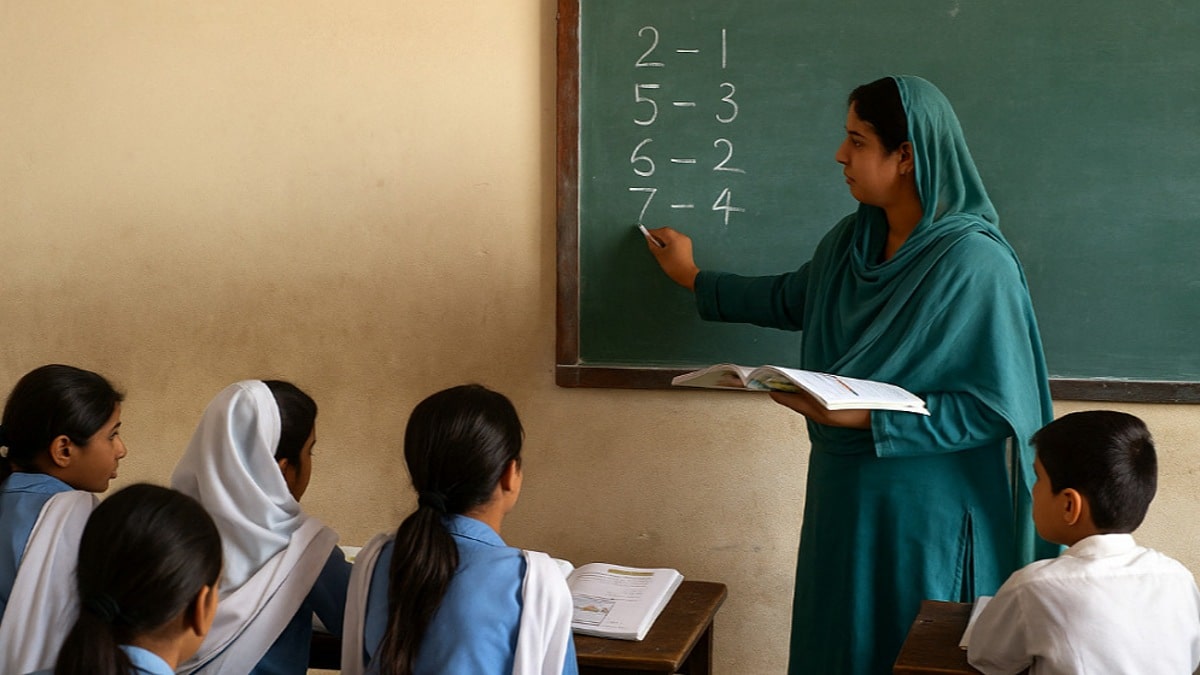
The Strategic Logic Behind Punjab Teacher Transfers
The Punjab School Education Department has calibrated a new policy framework to optimize human resource allocation by lifting traditional restrictions on Punjab teacher transfers during the 2024 summer hiatus. This administrative shift specifically targets critical educator categories, including those awaiting posting after promotion, staff in the post-waiting category, and applicants seeking mutual transfers. By opening this window after June 18, the department seeks to align teacher placement with systemic demand, ensuring that educational institutions operate at peak capacity when the new term commences.
Furthermore, the department has mandated a rigorous data integration phase. Chief Executive Officers (Education) across all districts must immediately update and tag the records of promoted teachers within the School Information System (SIS). Consequently, this digital synchronization serves as the baseline requirement for participation. Precision in data entry is paramount, as any delay in SIS tagging could jeopardize eligibility and stall the transition process for hundreds of educators.
The Translation: Decoding System Requirements
In technical terms, the “tagging” process is the catalyst for administrative transparency. Instead of manual filing, the SIS platform acts as a centralized ledger that verifies a teacher’s status in real-time. For the individual educator, this means that “Punjab teacher transfers” are no longer a bureaucratic hurdle but a data-driven movement. Educators must ensure their profiles reflect their most recent promotion status to be visible in the transfer pool. Specifically, the department is prioritizing “Mutual Transfers,” where two educators agree to swap positions, thereby maintaining a net-zero impact on the district’s total workforce while improving individual job satisfaction.
Socio-Economic Impact: Precision in Placement
This policy update generates a significant ripple effect across the socio-economic landscape of Pakistan. For the individual teacher, a successful transfer often means a reduction in commute times and a more sustainable work-life balance. This structural adjustment directly boosts educator morale, which is a primary driver of classroom performance. Moreover, by filling vacancies in underserved areas through promoted postings, the government ensures that students in rural districts receive the same caliber of instruction as those in urban centers.

From a systemic perspective, this move reduces the administrative friction that typically plagues large-scale workforce management. When teachers are placed in roles that align with their professional growth and geographical needs, the entire educational apparatus achieves a state of higher equilibrium. In contrast to previous years of rigid lockdowns on movement, this calibrated easing serves as a relief valve for the educational sector.
The Forward Path: A Momentum Shift
The decision to facilitate Punjab teacher transfers during the summer break represents a clear Momentum Shift for the province. It demonstrates a transition from reactive management to proactive, data-driven governance. By utilizing the SIS platform as the primary engine for movement, the School Education Department is building a digital frontier that rewards transparency and precision. While this is a stabilization move in the short term, the long-term implications for structural efficiency are profound. As we look toward a future driven by STEM and digital literacy, having the right educator in the right location is the first step toward national advancement.








