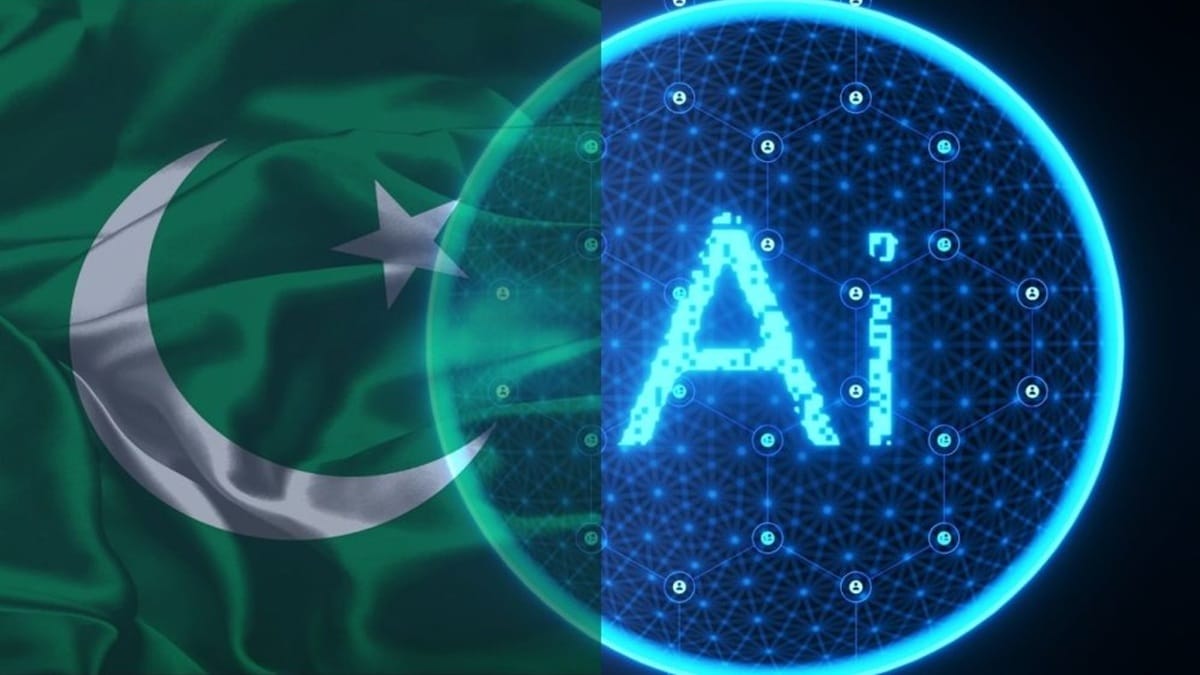
The structural modernization of Pakistan’s academic landscape has reached a critical baseline with the strategic integration of emerging technologies. Consequently, the Higher Education Commission has mandated the HEC AI Course, a 3-credit-hour requirement titled “Introduction to Artificial Intelligence,” for relevant degree programs across the country. This calibrated move ensures that the next generation of professionals possesses the precise technical literacy required to navigate a computational global economy.
Strategic Implementation of the HEC AI Course
The Higher Education Commission (HEC) finalized this directive following a consultative meeting with vice-chancellors. Specifically, the rollout will follow a phased approach to maintain structural stability within university curricula. To facilitate this transition, Information Technology University (ITU), Lahore, developed three specialized modules. The HEC approved these outlines during its 45th official meeting, and they are now shared with all public-sector institutions.
- Mandatory Requirement: All relevant degree programs must integrate the 3-credit hour course immediately.
- Standardized Content: Universities will utilize the ITU-developed modules to ensure uniform academic quality.
- Administrative Notification: A formal letter has been dispatched to all public universities in Punjab to catalyze this educational shift.
Furthermore, this policy move aims to anchor artificial intelligence as a central pillar of national higher education. By standardizing AI education, the HEC is creating a scalable model for technical advancement across both urban and rural academic hubs.
The Situation Room: Analysis
The Translation (Clear Context)
In technical terms, the HEC is moving away from optional elective structures toward a mandatory core competency model. Rather than treating Artificial Intelligence as a niche specialty for computer scientists, this policy reclassifies AI as a foundational literacy tool. Consequently, students across diverse disciplines will now understand the logic, ethics, and application of machine learning and data processing as a baseline skill.
The Socio-Economic Impact
This development directly influences the economic trajectory of the average Pakistani citizen. For students, it provides an immediate competitive edge in the global remote-work and tech markets. For households, it increases the probability of high-value employment, which acts as a catalyst for upward social mobility. By calibrating our workforce to be “AI-literate,” Pakistan can better attract international tech investments and foster a more efficient domestic digital ecosystem.
The Forward Path (Opinion)
This initiative represents a significant Momentum Shift. While many academic reforms focus on maintenance, the mandatory HEC AI Course is an offensive maneuver designed to close the digital divide. However, the success of this structural change depends entirely on the precision of teacher training and the availability of computing hardware in smaller universities. If executed with discipline, this could be the catalyst for a new era of Pakistani innovation.