
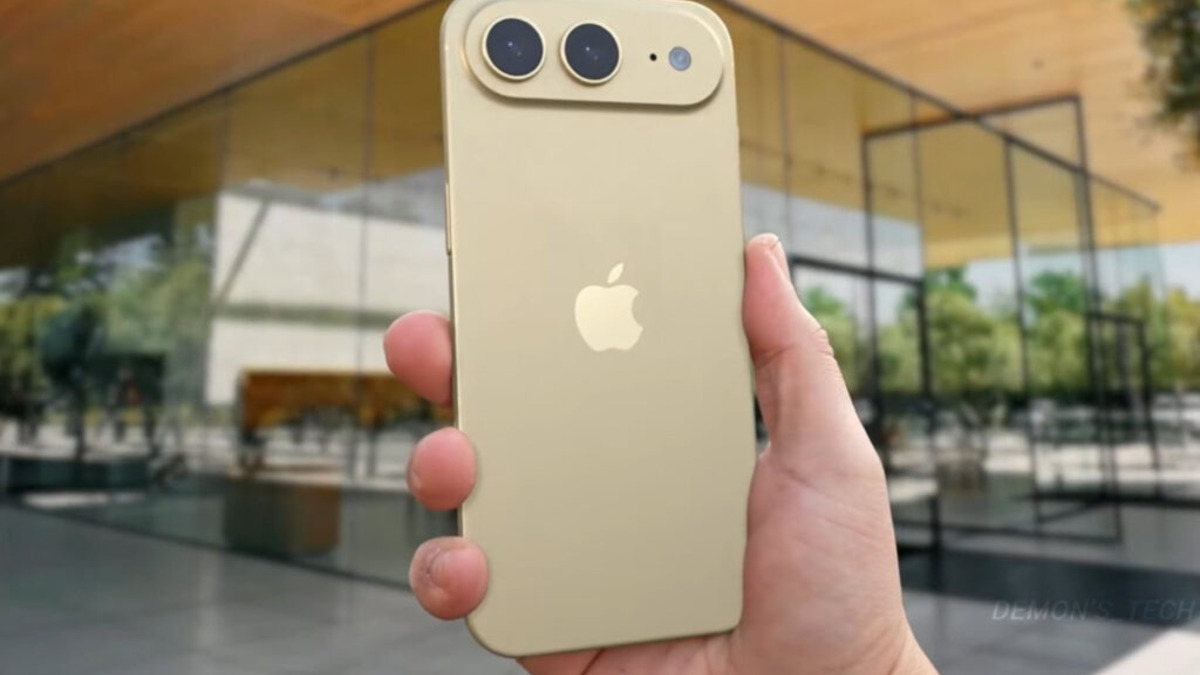
Apple is strategically engineering a course correction for its ultralight mobile segment to address previous market stagnation. Consequently, the upcoming iPhone Air 2 upgrades represent a calibrated response to the structural limitations of the first-generation model. By integrating a second rear camera and the cutting-edge A20 Pro processor, Apple aims to eliminate technical trade-offs while maintaining precision portability for the modern user.
Analyzing the Structural iPhone Air 2 Upgrades
The original iteration of the iPhone Air faced criticism due to its singular rear camera, which many users viewed as a baseline compromise. In contrast, the second-generation device will feature a dual-camera array. This hardware enhancement allows for superior depth perception and versatile focal lengths without compromising the ultralight chassis. Furthermore, internal reports indicate that Apple is optimizing the battery architecture to provide longer operational cycles, a critical requirement for high-utility professionals.

The transition to the A20 Pro processor signifies a massive leap in computational efficiency. This chipset will likely serve as the catalyst for advanced AI-driven features, ensuring the device remains a long-term asset in Apple’s hardware ecosystem. Strategic shifts in the supply chain suggest that these iPhone Air 2 upgrades are not merely iterative but are designed to secure a permanent position in the mobile hierarchy.
Strategic Timing and Market Realignment
Apple is fundamentally altering its release cadence by targeting a Spring 2027 launch for this model. Previously, the company reserved major hardware reveals for the autumn window. However, by moving the iPhone Air 2 and the budget-focused iPhone 17e to the spring, Apple maintains year-round market momentum. This shift allows the brand to focus on premium Pro models in September while capturing mid-tier demand earlier in the year.
Industry analysts believe the iPhone Air design serves as a vital precursor to Apple’s eventual foldable smartphone. By perfecting the ultralight form factor now, engineers are building the baseline knowledge required for durable, flexible displays. Consequently, the success of the iPhone Air 2 will determine the trajectory of Apple’s next-generation folding tech.
The Situation Room Analysis
The Translation
While the first iPhone Air was essentially a “test flight” that prioritized thinness over utility, the iPhone Air 2 is the “production model.” The addition of a second camera and the A20 Pro chip means users no longer have to choose between a lightweight phone and a powerful one. It bridges the gap between the budget SE series and the heavyweight Pro series.
The Socio-Economic Impact
For the Pakistani professional and student population, this development offers a more accessible entry point into high-performance computing. As our local economy digitizes, having a device that supports advanced processing (A20 Pro) without the prohibitive cost of a “Pro Max” model enables better mobile productivity. This shift supports a more efficient workforce that relies on mobile-first solutions for logistics, education, and digital trade.
The Forward Path
This development represents a Momentum Shift. Apple is no longer retreating from the “thin phone” experiment; they are doubling down on it by fixing the engineering flaws. This suggests that the future of mobile design is moving away from “bulky power” and toward “precision efficiency.” For Pakistan’s tech-savvy youth, this signifies a new era of sleek, high-capability devices that fit the fast-paced urban lifestyle.









