

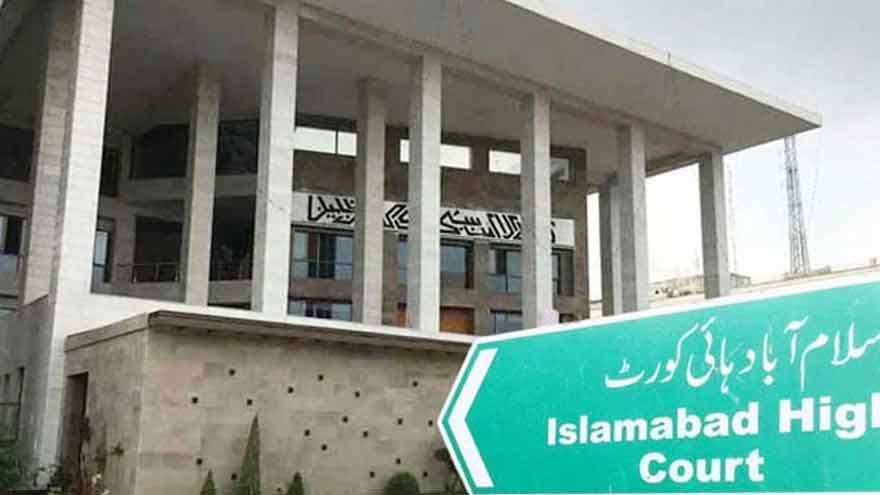
The Islamabad High Court (IHC) has officially calibrated its seasonal operational window by announcing the IHC summer vacation for 2026. According to the strategic notification issued by the Registrar’s Office, the court will undergo a structural recess from July 1, 2026, through August 31, 2026. Chief Justice of the Islamabad High Court approved this schedule to ensure judicial maintenance and system efficiency throughout the two-month period.
Structural Analysis of the IHC Summer Vacation Schedule
The Translation (Clear Context)
While many perceive a “vacation” as a total pause, this period represents a deliberate system reset for the Pakistani judicial framework. The notification, dated June 17, 2026, signals a transition from active litigation to administrative optimization. Consequently, this scheduled break allows the court’s infrastructure to recalibrate. Meanwhile, the legal system maintains a baseline of essential services to handle urgent matters that require immediate precision.
The Socio-Economic Impact
This judicial recess directly impacts the pace of legal resolution for thousands of Pakistani citizens and professionals. Specifically, the IHC summer vacation affects the following sectors:
- Legal Professionals: Provides a window for case research and internal firm restructuring.
- Litigants: Requires households to adjust their financial and personal planning due to the two-month extension in civil case timelines.
- System Flow: Shifts the focus from courtroom advocacy to back-end filing and documentation preparation.
Furthermore, this pause necessitates that urban and rural citizens coordinate with their legal counsel to ensure all urgent filings are processed before the July 1st baseline.
The Forward Path (Opinion)
In our technical assessment, this development represents a Stabilization Move. While traditional recesses are a staple of the Pakistani judicial system, consistency in scheduling allows for predictable legal planning. However, for a truly “Next Gen” Pakistan, we must view these periods as catalysts for digital transformation. Integrating remote judicial work during the IHC summer vacation could maintain momentum, transforming these breaks into periods of high-efficiency back-office processing rather than total delays in justice delivery.








