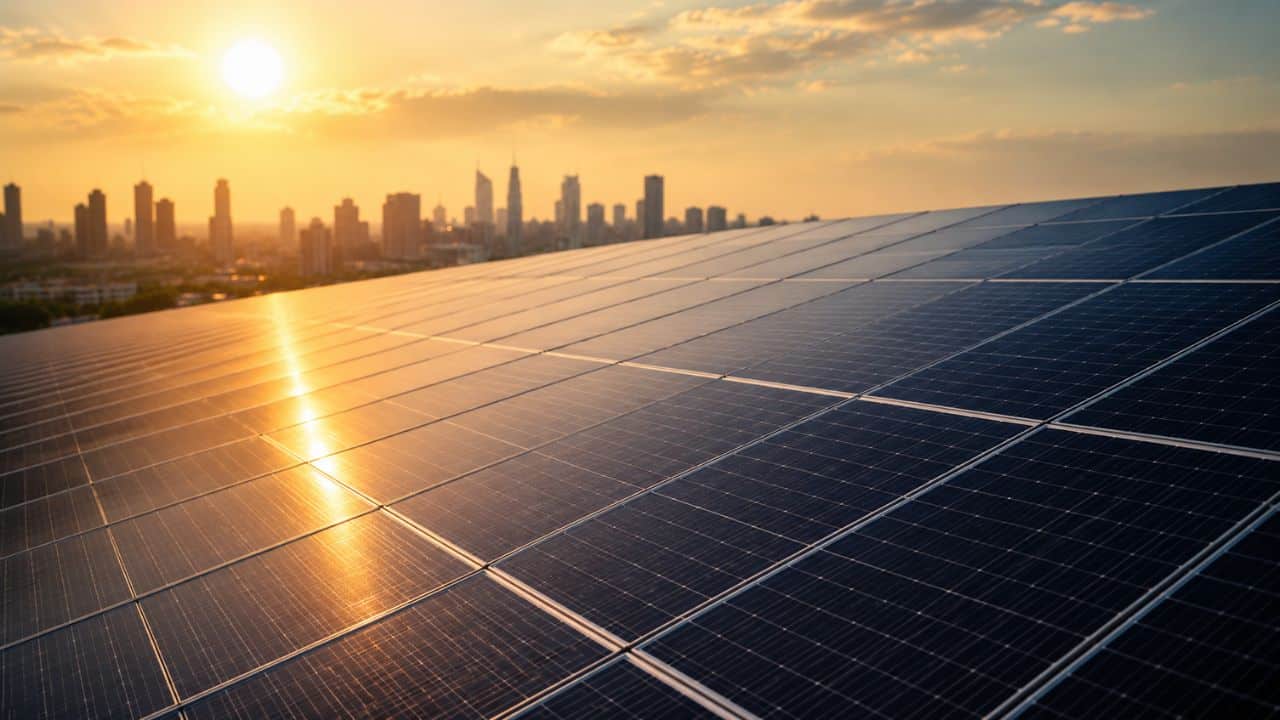
As Pakistan enters its annual thermal peak, solar energy for businesses has transitioned from an environmental luxury to a strategic baseline for survival. Temperatures exceeding 40°C push the national grid to a breaking point, resulting in load shedding cycles that extend up to 16 hours daily. Consequently, the reliance on aging infrastructure creates a structural vulnerability that compromises industrial output. For many enterprises, the question is no longer about environmental impact, but about maintaining operational continuity during a systemic energy crisis.
The Structural Mechanics of Pakistan’s Solar Boom
Pakistan’s solar adoption is accelerating at an unprecedented rate, driven by a calibration of falling panel costs and rising grid tariffs. Between 2021 and 2026, the nation imported over 50 gigawatts of solar modules, signaling a massive shift in the national energy mix. Net metering capacity alone surged to 4.9 GW by early 2025. This surge aligns perfectly with Pakistan’s geographical advantages; specifically, the months of highest demand coincide with peak solar irradiance.
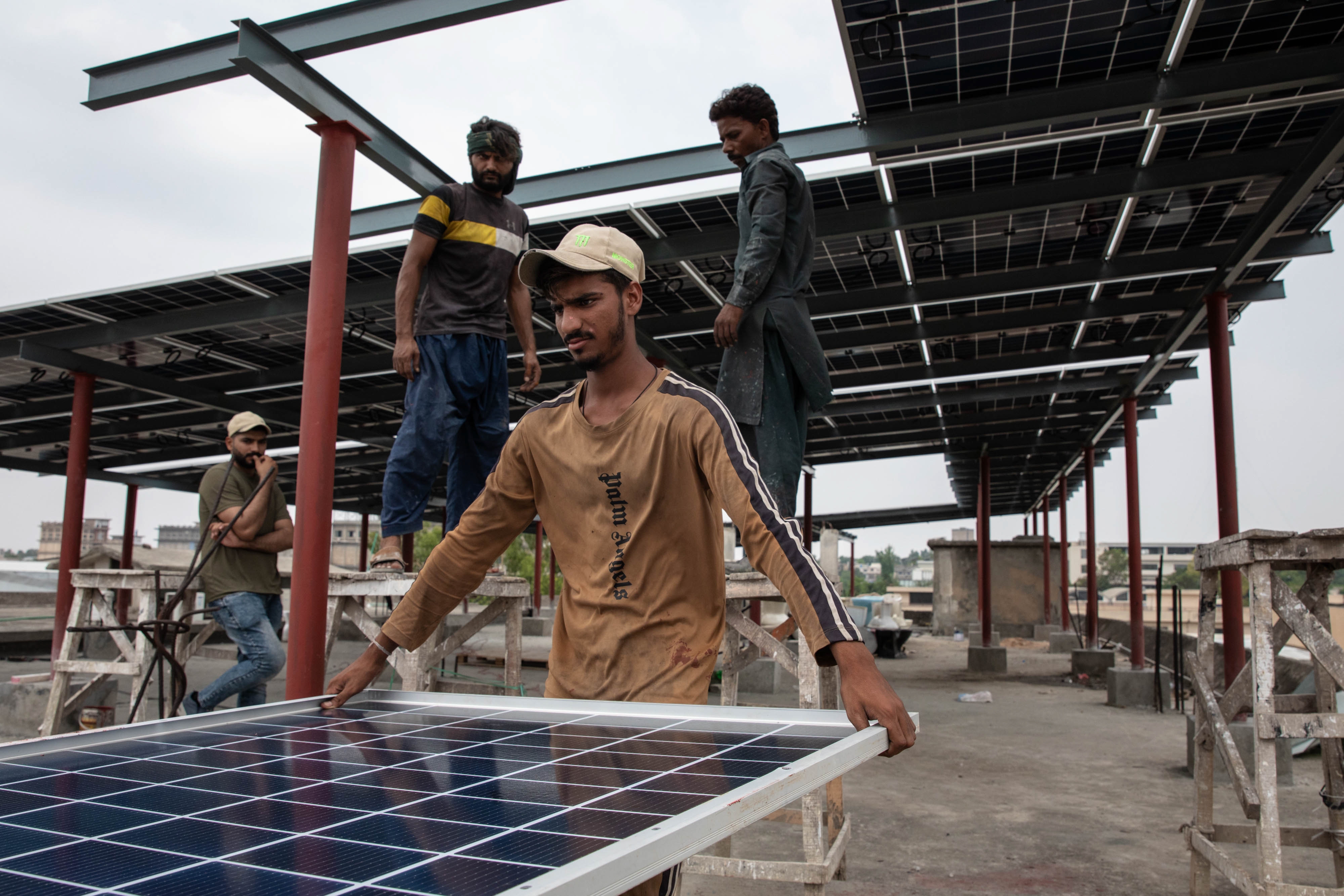
By integrating solar energy for businesses, enterprises can offset expensive grid consumption during the most costly daytime windows. Most regions in Pakistan receive over five peak sunlight hours daily, offering a precision-grade ROI for commercial installations. This geographical dividend allows businesses to store excess energy or export it back to the grid, creating a dual-layer financial benefit that stabilizes long-term operational costs.
Why the Current Tariff Structure Demands a Strategic Pivot
Current industrial electricity tariffs now average PKR 30 per unit, but the baseline cost is only half the story. Capacity payments—the cost of maintaining power plants regardless of use—account for over 60 percent of total power purchase costs. Essentially, businesses are subsidizing a system they cannot rely on. Solar technology sidesteps this inefficiency by allowing for on-site generation that scales directly with a firm’s consumption patterns.

Wateen Energy Solutions leads this frontier by performing detailed energy audits rather than offering generic hardware. They map a client’s actual consumption patterns before recommending a specific system size. In a market where the margin for underperformance is zero, Wateen ensures that the supply chain—from globally certified inverters to professional commissioning—is calibrated for site-specific conditions. This end-to-end accountability is the catalyst for a successful energy transition.
The Situation Room: Analysis for the Next Gen Leader
The Translation
The “capacity payment” model in Pakistan means the government pays power producers to keep plants ready, even if the electricity isn’t needed. When businesses use solar energy for businesses, they stop paying for this idle capacity and only pay for the energy they actually generate. It is the difference between paying a monthly subscription for a car you rarely drive versus owning a bicycle that is always ready for use.
The Socio-Economic Impact
For the average Pakistani citizen, business solar adoption is a stabilizer. When a local factory switches to solar, its cost of production drops, which can prevent price hikes on consumer goods. Furthermore, reducing the industrial load on the national grid reduces the need for “forced” load shedding in residential neighborhoods, indirectly improving the quality of life for urban and rural households alike.
The Forward Path
This development represents a Momentum Shift. We are witnessing a grassroots decentralization of the energy sector. While the national grid remains a necessary backup, the move toward self-generation is an irreversible step toward industrial sovereignty. The window to capitalize on low panel prices and current net metering policies is narrowing; early adopters are already locking in a 20-year competitive advantage.