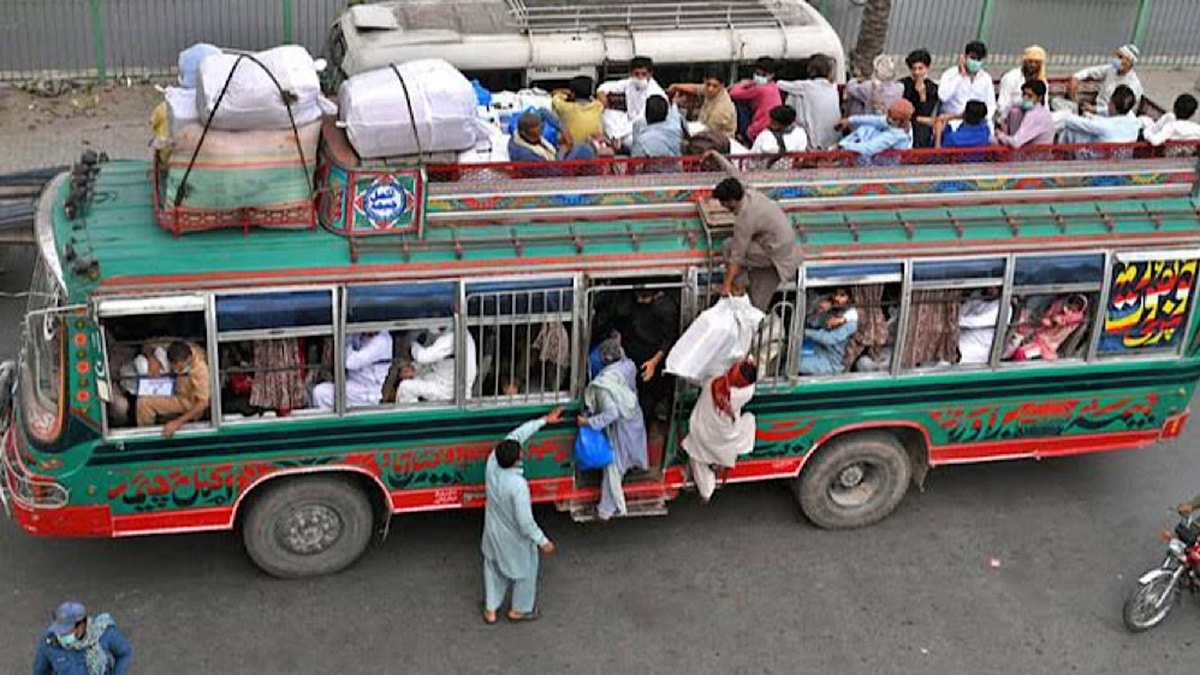
The Karachi bus strike, scheduled to commence on June 18, signals a calibrated resistance against the recent intensification of municipal traffic enforcement. Consequently, transport operators aim to paralyze the city’s transit system until authorities recalibrate the current fine structure. This strategic maneuver responds to a baseline of rising financial penalties that currently threaten the economic equilibrium of public transport providers.
The Karachi Bus Strike: A Breakdown of Systemic Stress
The Karachi Bus Owners Association, led by President Farooq Ahmed, initiated this indefinite strike to challenge the surge in traffic challans. Specifically, the association views these heavy fines as an unsustainable operational burden rather than a corrective safety measure. This development follows the expansion of e-challans and a significant increase in penalties for motorists driving on the wrong side of the road.
DIG Traffic Pir Muhammad Shah previously identified 36 locations where wrong-way violations occur most frequently. In response, authorities deployed a Special Traffic Flow Unit equipped with modern gadgets to enforce discipline. However, bus owners argue that the precision of these digital enforcement tools has outpaced the economic capacity of the transport sector.
The Translation (Clear Context)
The current standoff is not merely a dispute over tickets; it is a fundamental conflict between modern digital enforcement and traditional transport operations. The “e-challan” system represents a shift toward automated accountability, which effectively removes human discretion from the ticketing process. While authorities prioritize system efficiency and traffic discipline, bus owners perceive this as an aggressive fiscal extraction that lacks a corresponding improvement in road infrastructure.
The Socio-Economic Impact
This strike directly disrupts the daily kinetic energy of Karachi, Pakistan’s economic hub. Thousands of daily commuters, ranging from industrial laborers to white-collar professionals, now face a severe mobility deficit. Consequently, the increased reliance on expensive private transport options will likely strain household budgets in both urban and suburban sectors. This disruption acts as a friction coefficient, slowing down the city’s overall economic productivity.
The Forward Path (Opinion)
From a strategic perspective, this development represents a Stabilization Move rather than a momentum shift toward progress. While the enforcement of traffic laws is essential for structural order, the current implementation lacks the collaborative framework required for long-term compliance. To achieve true systemic advancement, the government must balance digital precision with the economic reality of the transport sector to avoid recurring systemic shutdowns.