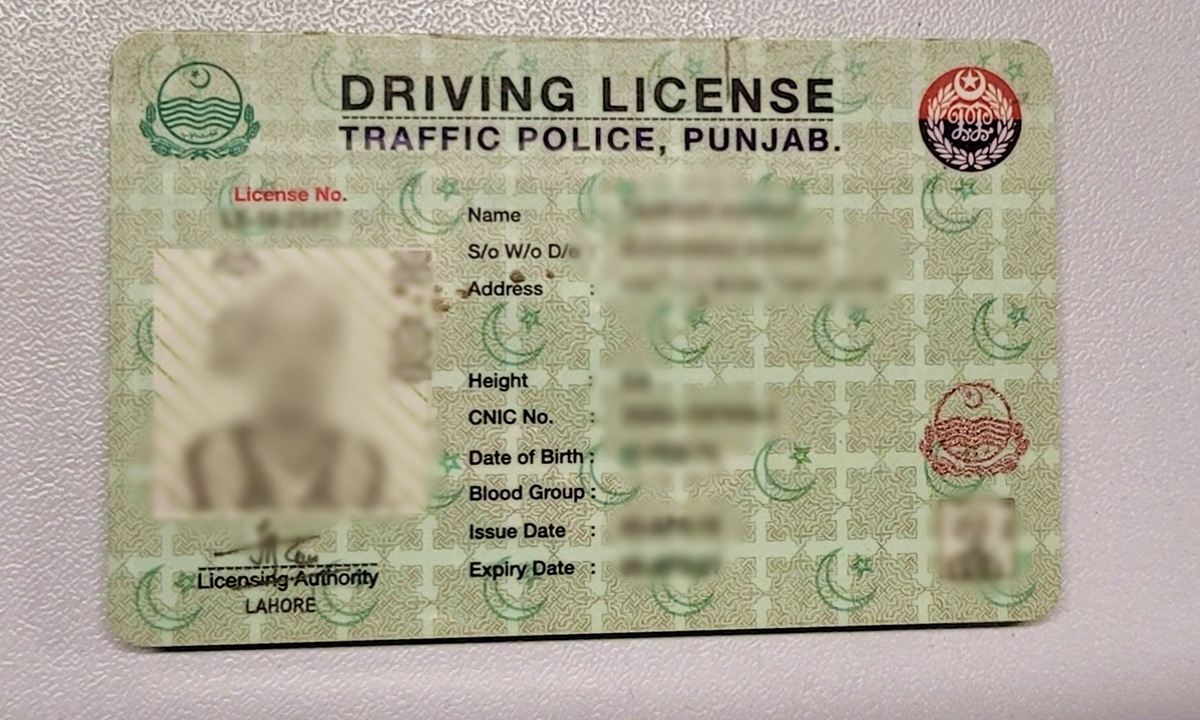
Efficiency serves as the bedrock of a high-functioning urban ecosystem. The Punjab government recently achieved a significant milestone by streamlining the driving license medical certification process for residents in Lahore. Citizens can now obtain mandatory medical fitness certificates at no cost from 13 designated government hospitals across the metropolitan area. This calibrated move aims to reduce administrative friction and enhance the overall integrity of the licensing pipeline.
Scaling Access to Driving License Medical Certification
The Chief Traffic Officer (CTO) of Lahore orchestrated the establishment of specialized medical counters to facilitate this transition. Consequently, these dedicated centers now operate within the initial phase of a broader provincial rollout. The service specifically targets applicants who require validated health clearance to operate vehicles safely on public roads.
Authorized medical counters are currently operational at the following facilities:
- DHQ Mian Mir Hospital and DHQ Mozang Hospital
- General Hospital, Ghaziabad and Tehsil Headquarters Hospital, Sabzazar
- Government Hospital, Samanabad and Qila Gujjar Singh Hospital
- Shahdara Hospital and Bilal Ganj Hospital
- Sodiwal, Kahna, Raiwind, and Swami Nagar Hospitals
Strategic Criteria for Applicants
While the service expands accessibility, it maintains rigorous standards for specific demographics. The CTO confirmed that a driving license medical certificate remains a mandatory prerequisite for two primary groups. First, all applicants seeking a commercial driving license must undergo this evaluation. Second, individuals over the age of 50 must provide medical clearance when applying for or renewing their driving permits.
Digital Verification and Systemic Integrity

To fortify the system against fraud, authorities are integrating a sophisticated digital verification layer. This online mechanism ensures that every driving license medical record is traceable and authentic. Furthermore, the digital transition eliminates the possibility of forged documentation. This technological upgrade enhances public confidence and ensures that only medically fit individuals operate machinery within the public domain.
The Situation Room: Analysis
The Translation (Clear Context)
The Punjab government is effectively “de-commodifying” the medical clearance process. By removing the fee and centralizing the service within government hospitals, the state eliminates the informal economy of paid medical vouchers. This shift converts a bureaucratic hurdle into a standardized public health check, ensuring that “fitness” is a data point rather than a purchase.
The Socio-Economic Impact
This initiative directly impacts the daily lives of thousands of transport workers and elderly citizens. For commercial drivers, the removal of certification fees reduces the “cost of doing business,” directly supporting the logistics and transport sector. For senior citizens, the proximity of 13 local centers reduces the physical and temporal burden of license renewal, fostering greater mobility and independence for the aging population.
The “Forward Path” (Opinion)
This development represents a Momentum Shift for Pakistan’s digital governance. By linking health diagnostics directly to the traffic management database, Punjab is building a “Single Source of Truth.” The logical next step should be the nationwide integration of these health records to create a seamless, paperless licensing environment across all provinces.